
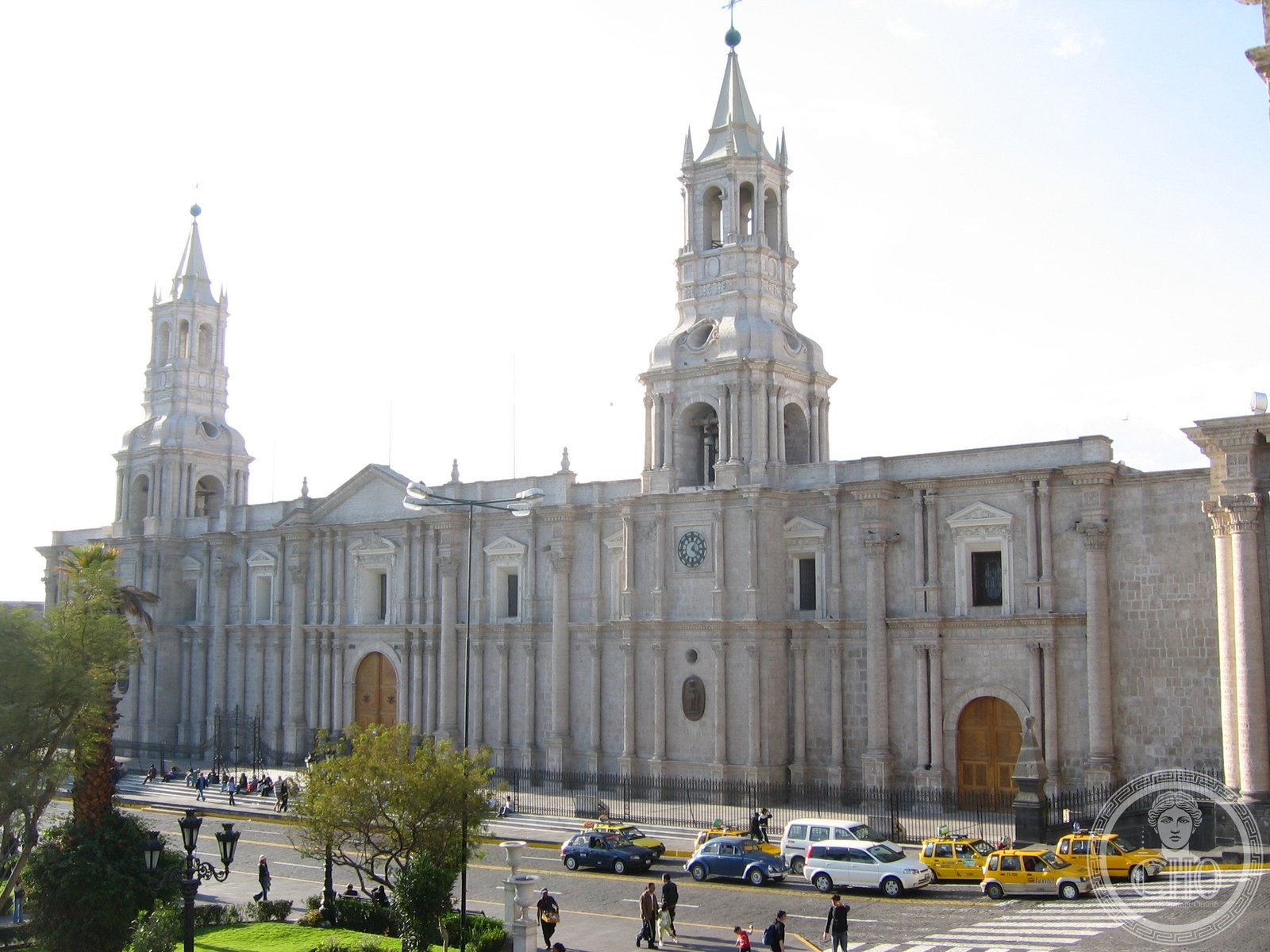
A masterpiece of ornamented colonial architecture, Arequipa’s historical center fuses European and indigenous design in response to dramatic landscape and conquest.
At a glance
UNESCO recognized Arequipa’s historic center in December 2000 as a world-class example of colonial town planning. The district represents a unique creative coalition of European architectural traditions and native Peruvian influences, shaped by evangelism, conquest, and the region’s striking natural environment.
History
Arequipa developed as a colonial settlement on Peru’s southern coast, where European conquest and indigenous culture collided. The town’s architecture evolved under the pressures of both evangelism and indigenous response—a negotiation between conqueror and conquered, reflected in every façade and street plan.
What you see
The historic center displays ornamented architecture throughout its public spaces and religious buildings. The style merges European decorative principles with native craftsmanship and design sensibilities, creating a visual language distinct from either tradition alone. The town’s layout and structures also respond to Arequipa’s dramatic natural setting.
Cultural significance
Arequipa’s heritage lies in its role as a living archive of cultural synthesis. Rather than erasing indigenous identity, the town’s built environment documents a complex historical process—one where European form and native creativity negotiated coexistence through architecture itself.
Key facts
- Location: Arequipa, Peru (−16.4°, −71.53°)
- UNESCO status: World Heritage Site, inscribed December 2000
Practical information & getting there
Arequipa is Peru’s second-largest city and is accessible by air, road, and rail. The historic center is compact and best explored on foot. Plan several hours to appreciate the ornamental details of major buildings and plazas.
Sources & resources
Find it on the map
See this place and what’s around it →📷 Become a Cultural Heritage Online photographer
Share your photos of places: they stay published under your name as the author. The more they're seen, the more you get noticed — and soon a contest will reward the most appreciated photos.
Log in or sign up free to add a photo