
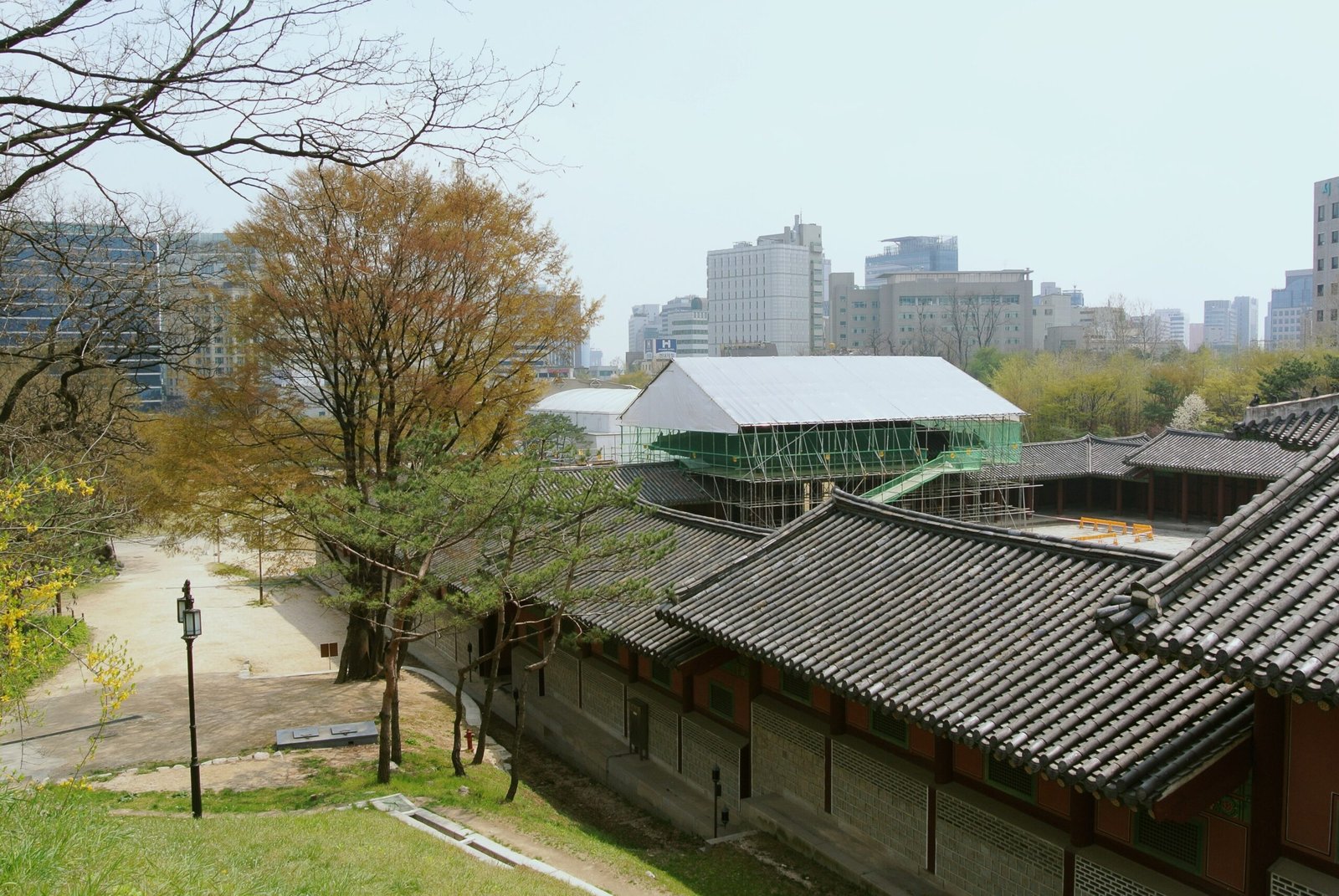
One of the Five Grand Palaces of the Joseon Dynasty, Gyeonghuigung—the Palace of Serene Harmony—stands as a testament to royal architecture in Seoul. This compound once served as a secondary residence for the ruling house, showcasing the refined aesthetic principles of Korean palace design.
At a glance
Gyeonghuigung occupies a significant place in Seoul’s cultural landscape as one of five major palaces constructed during the Joseon Dynasty era. The palace exemplifies the architectural and planning traditions that defined royal Korean compounds.
History
Built as part of the Joseon Dynasty’s imperial infrastructure, Gyeonghuigung functioned alongside four other grand palaces. The compound reflects the dynasty’s commitment to creating multiple royal residences, each serving distinct ceremonial and administrative purposes.
What you see
The palace demonstrates characteristic features of Joseon royal architecture. The name itself—Gyeonghuigung, meaning ‘Palace of Serene Harmony’—reflects the philosophical principles embedded in its design and spatial organization.
Cultural significance
As one of Seoul’s Five Grand Palaces, Gyeonghuigung represents the architectural heritage and royal traditions of medieval Korea. The site remains important to understanding Joseon Dynasty governance and court life.
Key facts
- Country: South Korea
- City: Seoul
- Coordinates: 37.57144444, 126.96813889
- Status: One of the Five Grand Palaces of the Joseon Dynasty
Practical information & getting there
For visiting information, hours, admission fees, and current access details, consult local tourism resources or the site directly, as conditions may vary seasonally.
Sources & resources
Find it on the map
See this place and what’s around it →📷 Become a Cultural Heritage Online photographer
Share your photos of places: they stay published under your name as the author. The more they're seen, the more you get noticed — and soon a contest will reward the most appreciated photos.
Log in or sign up free to add a photoIs this page about you?
This page is read by travellers and heritage enthusiasts who find it on Google. Tell us how you are connected to this place and we will take it from there.