

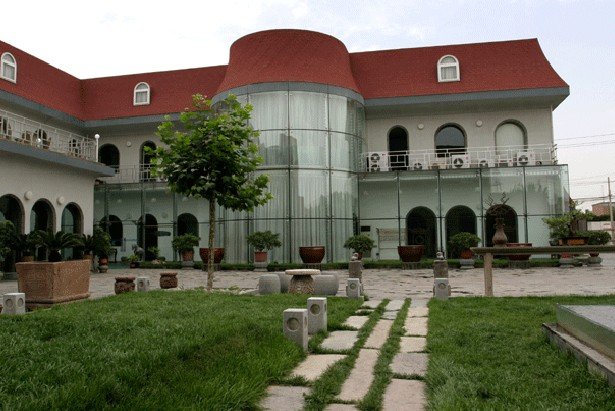
A pioneering private art museum that opened in Beijing in 1996, among the first of its kind in the People’s Republic of China.
At a glance
Guanfu Museum (观复博物馆) stands as a landmark in China’s cultural landscape—a non-profit institution that helped establish the private museum sector in the country. Housed in Beijing, it operates as an Independent Legal Entity and remains active in preserving and presenting art to the public.
History
The museum was founded by Ma Weidu on 30 October 1996. Its establishment marked a significant moment in Chinese cultural history, arriving when private museums were rare in the People’s Republic. The Guanfu Museum was among the first to demonstrate that non-state institutions could play a vital role in collecting and interpreting art.
What you see
Information about the museum’s architecture and exhibition spaces is limited in available sources. Visitors are encouraged to experience the collections firsthand.
Cultural significance
Guanfu Museum represents a turning point in Chinese museology—the emergence of private stewardship of cultural heritage. Its founding challenged the state monopoly on major cultural institutions and helped shape contemporary discourse about art accessibility and collection in China.
Key facts
- Founded: 30 October 1996
- Founder: Ma Weidu
- Location: Beijing, China
- Coordinates: 40.00777778, 116.53416667
- Status: Non-profit, Independent Legal Entity
- Significance: Among the first private museums in the People’s Republic of China
Practical information & getting there
Guanfu Museum is located in Beijing. For current opening hours, admission fees, and exhibition details, check the museum’s official channels before your visit.
Sources & resources
Find it on the map
See this place and what’s around it →📷 Become a Cultural Heritage Online photographer
Share your photos of places: they stay published under your name as the author. The more they're seen, the more you get noticed — and soon a contest will reward the most appreciated photos.
Log in or sign up free to add a photoIs this page about you?
This page is read by travellers and heritage enthusiasts who find it on Google. Tell us how you are connected to this place and we will take it from there.