

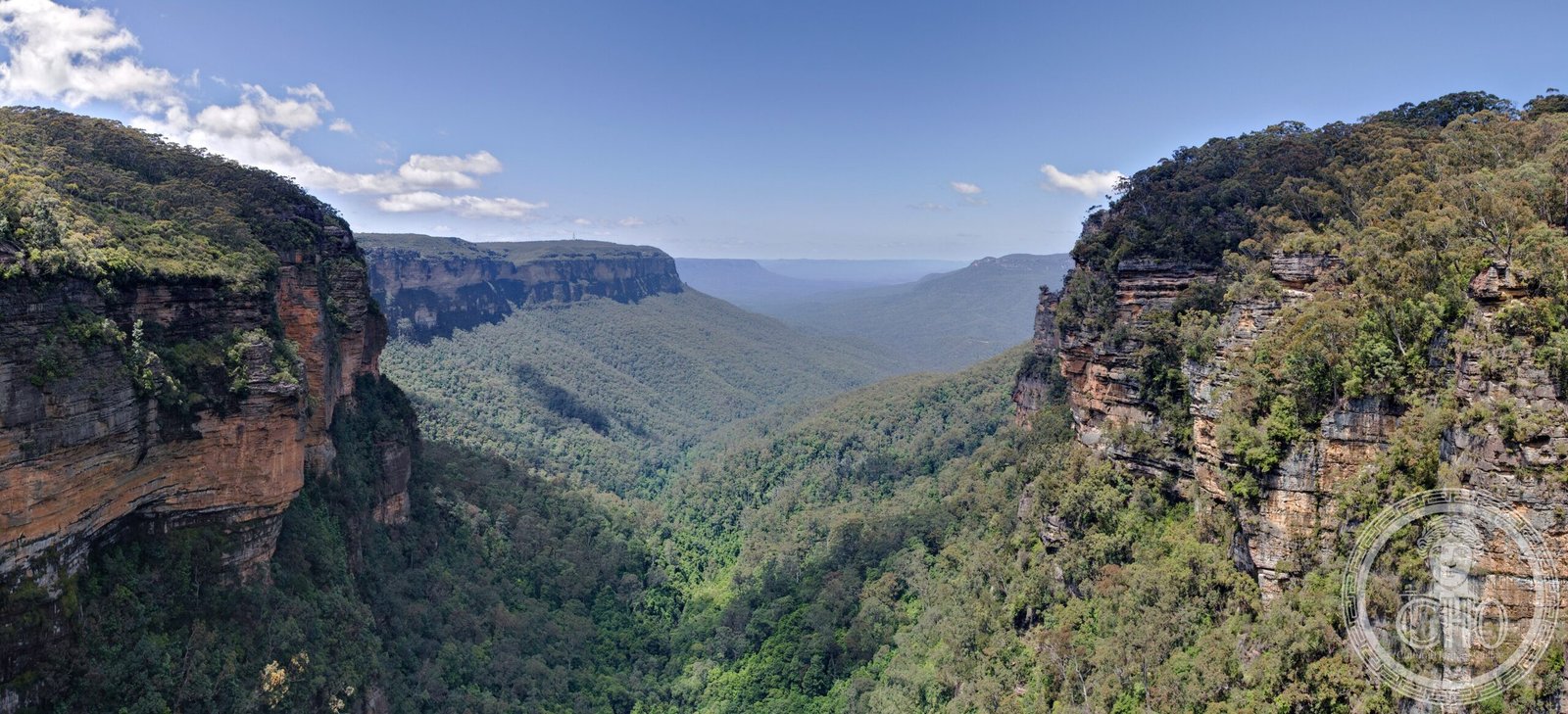
A vast World Heritage landscape spanning over one million hectares, the Greater Blue Mountains Area protects a remarkable natural region in eastern Australia, recognised for its exceptional environmental and scientific value.
At a glance
The Greater Blue Mountains Area encompasses 1,032,649 hectares across New South Wales, making it one of Australia’s most significant protected natural zones. The region was inscribed on the World Heritage List in 2000 at the 24th Session of the World Heritage Committee in Cairns.
History
The area received World Heritage status in 2000, when the international committee formally recognised its outstanding universal value. This designation reflected growing awareness of the region’s ecological and scientific importance to global conservation efforts.
What you see
The landscape comprises diverse natural terrain across the Blue Mountains of New South Wales. The scale of the protected area—spanning over 2.5 million acres—encompasses varied ecosystems and topography representative of Australia’s eastern highlands.
Cultural significance
As a World Heritage Site, the Greater Blue Mountains Area holds exceptional status within the global framework for nature conservation. The region’s inclusion reflects its irreplaceable environmental characteristics and scientific interest for understanding Australian natural heritage.
Key facts
- Location: New South Wales, Australia
- Area: 1,032,649 hectares (2,551,730 acres)
- Coordinates: −33.7°, 150°E
- UNESCO World Heritage Site: Inscribed 2000
Practical information & getting there
The Greater Blue Mountains Area is located in New South Wales and is accessible from Sydney. For specific access points, visitor facilities, and current information about visiting the protected zones, consult local conservation authority websites and tourism resources for the Blue Mountains region.
Sources & resources
Find it on the map
See this place and what’s around it →📷 Become a Cultural Heritage Online photographer
Share your photos of places: they stay published under your name as the author. The more they're seen, the more you get noticed — and soon a contest will reward the most appreciated photos.
Log in or sign up free to add a photo