
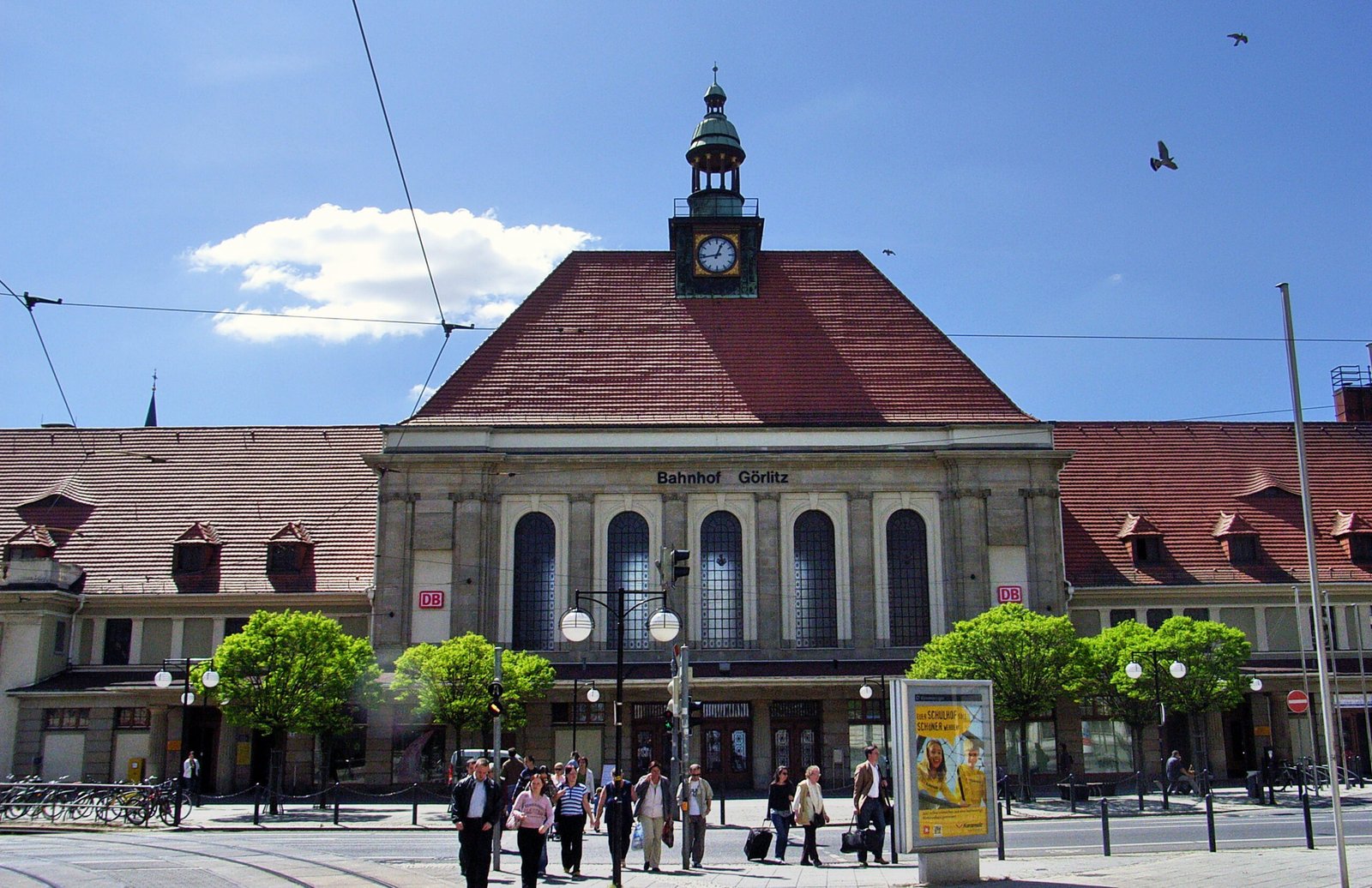
The central railway station of Saxony’s easternmost city, Görlitz station once commanded twelve tracks and served as a vital hub for regional and long-distance transport. Today it remains an active junction, though reduced in operational scope.
At a glance
Görlitz station functions as the primary rail gateway to the city of Görlitz, positioned on the German-Polish border. Six of its original twelve tracks remain in active service, reflecting both the changing patterns of rail travel and the station’s continued role in regional connectivity.
History
The station was built as the central station of Görlitz with an ambitious twelve-track layout, designed to accommodate the high volumes of traffic expected from a major rail junction. Over the decades, operational needs shifted, resulting in the reduction of active tracks to the six in use today.
What you see
The architecture and specific design features of Görlitz station are not documented in available sources. Visitors will observe a working railway facility that reflects both its historical significance and modern operational requirements.
Cultural significance
Görlitz station represents the railway infrastructure heritage of Saxony and the broader history of German rail transport along the eastern border. Its reduction from twelve to six tracks mirrors the strategic evolution of European rail networks following the Second World War and subsequent geopolitical changes.
Key facts
- Country: Germany
- City: Görlitz, Saxony
- Coordinates: 51.1472, 14.9792
- Original tracks: 12; currently operational: 6
- Additional stations serving Görlitz: Rauschwalde, Weinhübel, Hagenwerder
Practical information & getting there
Görlitz station is the main railway terminus for the city. Three additional stations—Rauschwalde, Weinhübel, and Hagenwerder—also serve the greater Görlitz area. For current schedules, fares, and connection details, consult German Rail (Deutsche Bahn) or local transport operators.
Sources & resources
Find it on the map
See this place and what’s around it →📷 Become a Cultural Heritage Online photographer
Share your photos of places: they stay published under your name as the author. The more they're seen, the more you get noticed — and soon a contest will reward the most appreciated photos.
Log in or sign up free to add a photoIs this page about you?
This page is read by travellers and heritage enthusiasts who find it on Google. Tell us how you are connected to this place and we will take it from there.