

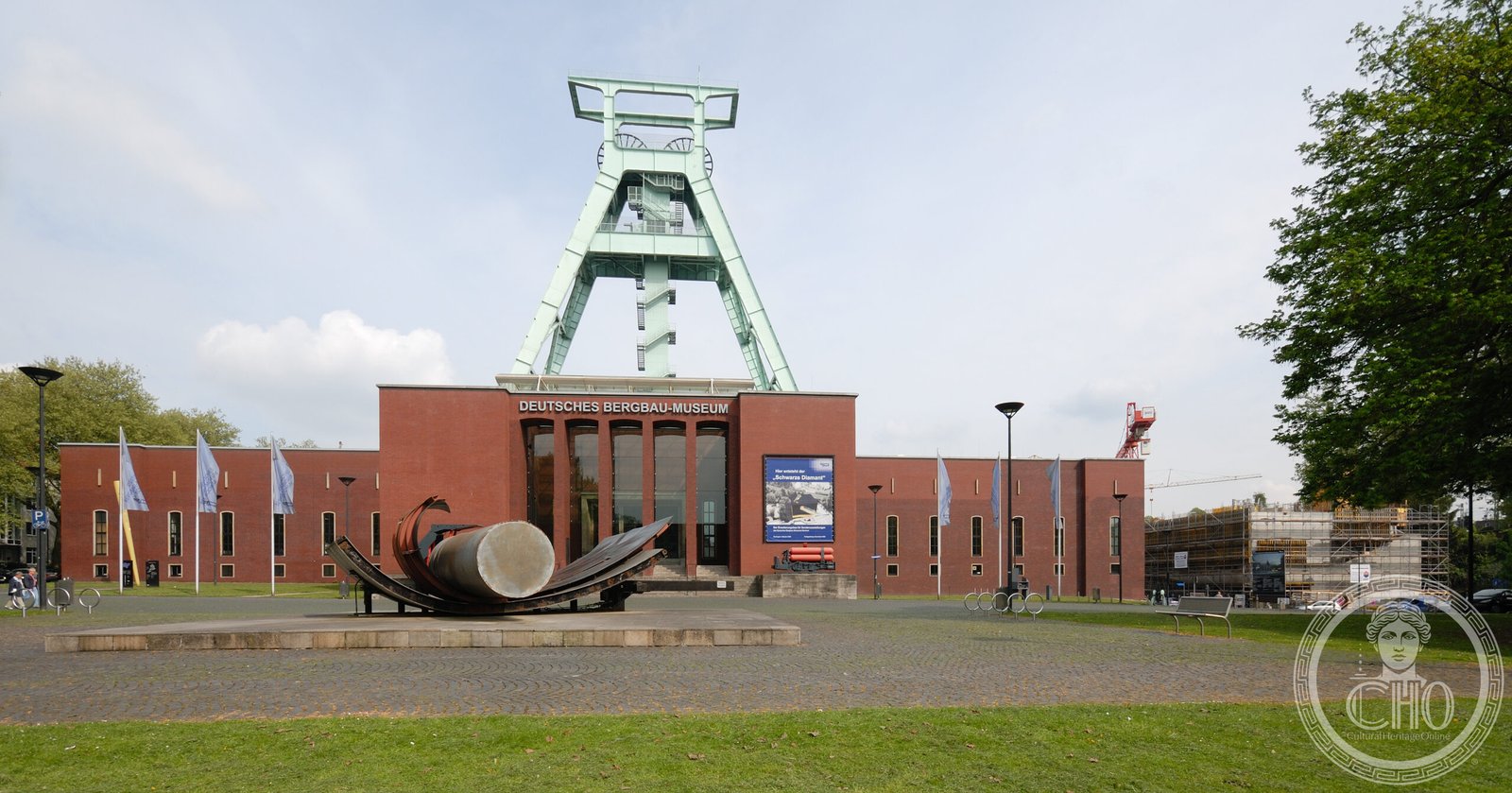
The world’s largest mining museum combines above-ground exhibitions with a reconstructed underground mine, drawing nearly 366,000 visitors annually to explore the history and technology of extraction.
At a glance
The German Mining Museum in Bochum is among Germany’s most visited institutions. Its dual approach—surface galleries and a faithful replica mine beneath the museum—offers immersive access to mining heritage. The museum operates as both a public exhibition space and an active research center.
History
Founded to preserve and interpret mining culture, the museum has grown into a leading academic institution. It holds membership in the Gottfried Wilhelm Leibniz Scientific Community, reflecting its status as a recognized research establishment for mining history and practice.
What you see
Above-ground galleries present mining artifacts, tools, and documentation. Below the museum terrain lies a meticulously reconstructed show mine that replicates authentic underground conditions. Visitors descend to experience the spatial and physical reality of mining work.
Cultural significance
The museum preserves the material and intellectual heritage of mining—a transformative industry in European history. Its collections document technological innovation, labor practices, and the geological knowledge embedded in extraction. As a research institution, it advances scholarly understanding of mining’s economic and social impact.
Key facts
- Country: Germany
- City: Bochum
- Coordinates: 51.4892, 7.2172
- Annual visitors (2012): approximately 365,700
- Status: Largest mining museum in the world
Practical information & getting there
The museum is centrally located in Bochum. Visit the official website for current opening hours, admission fees, and guided tour availability. Public transport connects the city to regional rail and bus networks.
Sources & resources
Find it on the map
See this place and what’s around it →📷 Become a Cultural Heritage Online photographer
Share your photos of places: they stay published under your name as the author. The more they're seen, the more you get noticed — and soon a contest will reward the most appreciated photos.
Log in or sign up free to add a photoIs this page about you?
This page is read by travellers and heritage enthusiasts who find it on Google. Tell us how you are connected to this place and we will take it from there.