
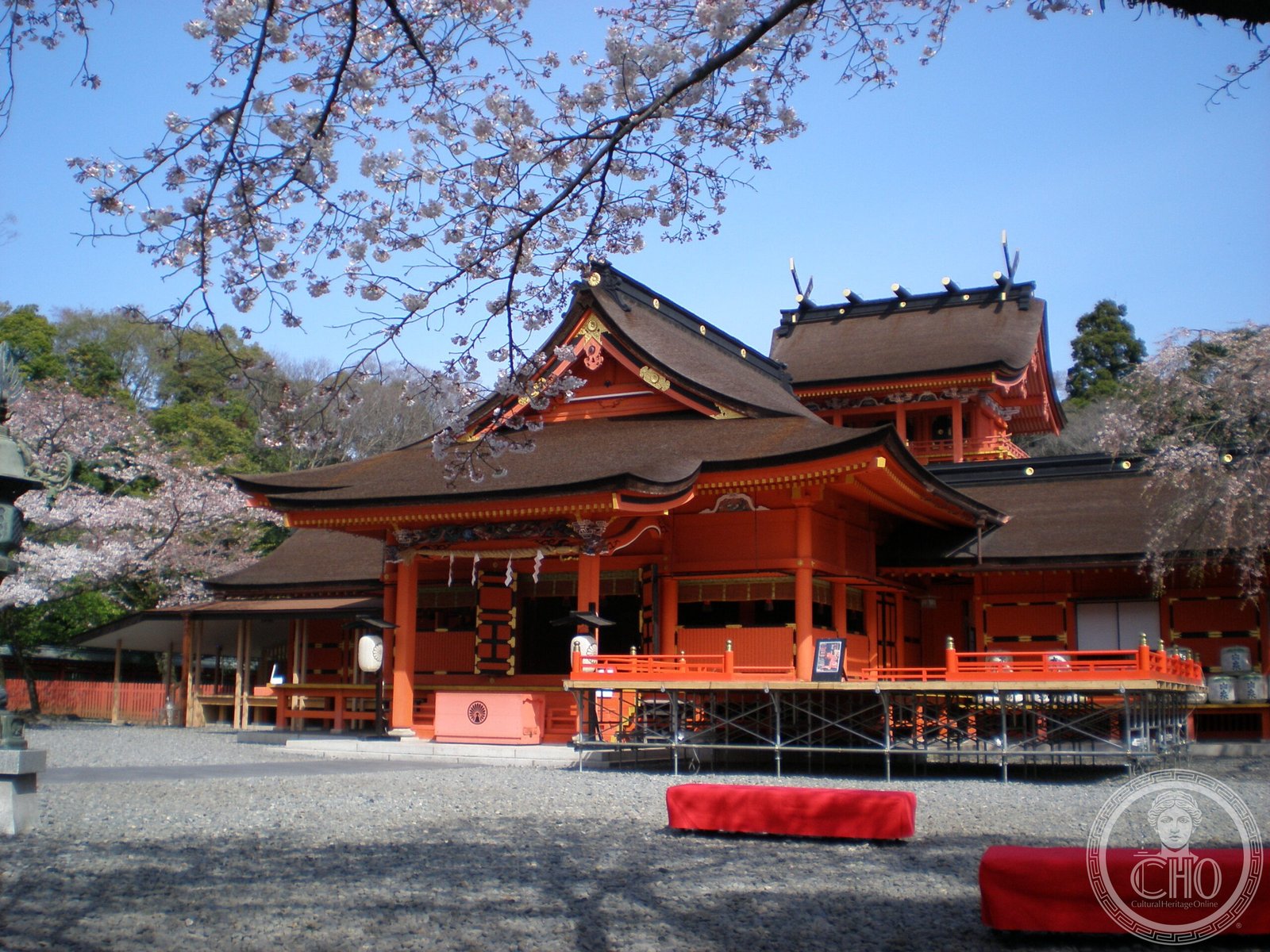
The principal shrine of Mount Fuji and head sanctuary of approximately 1,300 Asama shrines across Japan, this Shintō temple commands an extraordinary setting—its grounds extend from downtown Fujinomiya to the entire summit of Japan’s most sacred mountain.
At a glance
Fujisan Hongū Sengen Taisha stands as the ichinomiya, or first-ranked shrine, of the former Suruga Province. Its jurisdiction encompasses both an extensive urban precinct in Fujinomiya and, uniquely, the entire upper slopes of Mount Fuji from the 8th station to its peak. This dual presence reflects the shrine’s historic role as the spiritual center of Fuji worship throughout Japan.
History
The shrine serves as the principal head shrine for the Asama and Sengen shrine network, which includes roughly 1,300 affiliated sanctuaries scattered across the country. In 2013, Fujisan Hongū Sengen Taisha was inscribed on the UNESCO World Heritage List as a core component of the Fujisan Cultural Site, recognizing the profound spiritual and cultural significance of Mount Fuji in Japanese civilization.
What you see
The shrine occupies a sprawling downtown location in Fujinomiya, with its ceremonial precincts carefully integrated into the urban landscape. The architectural and spiritual continuity extends upward: from the 8th station of Mount Fuji to its summit, the mountain itself is considered sacred shrine territory, transforming the landscape into a vertical sacred space that pilgrims traverse as an act of devotion.
Cultural significance
Mount Fuji has held immense spiritual importance in Japanese culture for centuries, and this shrine embodies that reverence as the primary center of Fuji veneration. The annual festival each May 5th features yabusame—mounted archery performances—linking martial tradition to spiritual practice. The shrine’s network of 1,300 affiliated temples demonstrates how deeply Mount Fuji devotion penetrates Japanese religious life.
Key facts
- Country: Japan
- Location: Fujinomiya, Shizuoka Prefecture
- Coordinates: 35.2275°N, 138.6103°E
- UNESCO World Heritage status: Fujisan Cultural Site (2013)
- Annual festival: May 5th, featuring yabusame performances
- Head shrine for approximately 1,300 Asama/Sengen shrines nationally
Practical information & getting there
The shrine is located in downtown Fujinomiya. For current visiting hours, access information, and details about festival dates, consult the shrine’s official resources or local tourism information for Fujinomiya.
Sources & resources
Find it on the map
See this place and what’s around it →📷 Become a Cultural Heritage Online photographer
Share your photos of places: they stay published under your name as the author. The more they're seen, the more you get noticed — and soon a contest will reward the most appreciated photos.
Log in or sign up free to add a photoIs this page about you?
This page is read by travellers and heritage enthusiasts who find it on Google. Tell us how you are connected to this place and we will take it from there.