

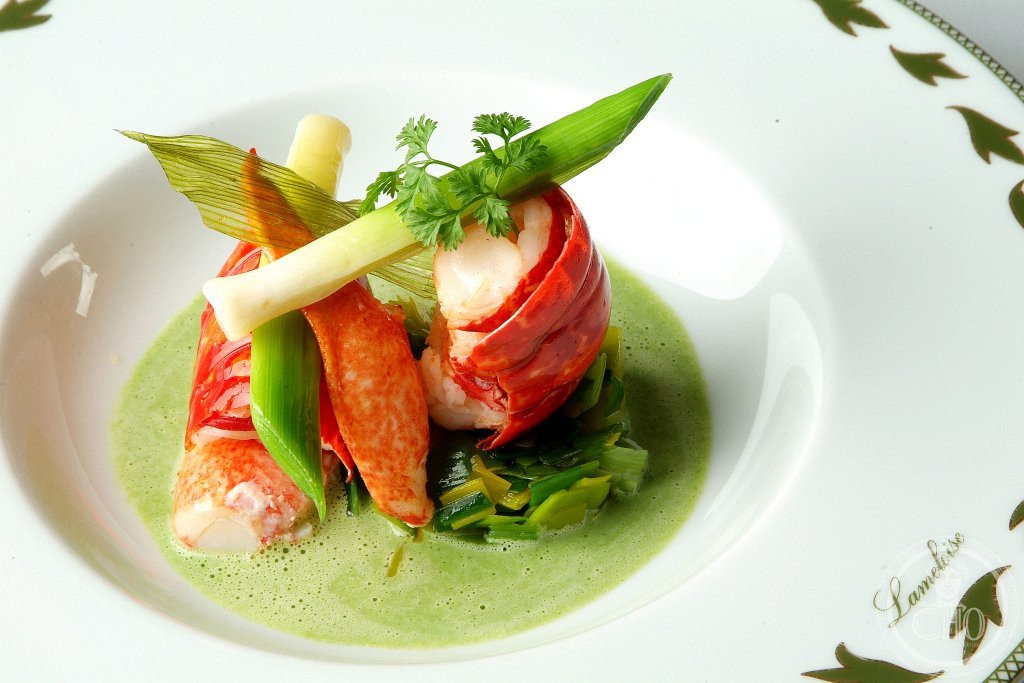
A sophisticated culinary heritage shaped by centuries of innovation, regional diversity, and the marriage of technique with terroir—from medieval recipe collections to the global influence of French gastronomic practice.
At a glance
French cuisine encompasses the cooking traditions and practices developed across France, distinguished by rigorous technique, regional variation, and the central role of cheese and wine. It has profoundly shaped Western culinary education and practice worldwide. In November 2010, UNESCO recognized the gastronomic meal of the French as intangible cultural heritage.
Origins and history
The documented history of French cooking begins in the 14th century with Guillaume Tirel, a court chef known as “Taillevent,” who compiled Le Viandier, one of the earliest recipe collections of medieval France. The tradition’s modern character emerged during the 17th and 18th centuries, when chefs François Pierre La Varenne and Marie-Antoine Carême spearheaded movements that deliberately shifted French cooking away from foreign influences—particularly Italian—and established France’s own distinctive indigenous style. This deliberate break marked the birth of French gastronomy as a coherent national practice.
The tradition today
French cuisine today remains anchored in regional diversity and strict appellations. Cheese and wine play central roles, each governed by appellation d’origine contrôlée (AOC) regulations that protect provenance and quality. Culinary tourism and the Guide Michelin, beginning in the 20th century, democratized access to both bourgeois and peasant cooking traditions, once strictly divided by class. Many dishes once rooted in single regions have proliferated in variations across France, yet maintain their connection to local terroir and technique.
Cultural significance
French cooking has contributed significantly to Western culinary knowledge and education. Its principles, methods, and aesthetic criteria are used widely in Western cookery school curricula and professional culinary training worldwide. The tradition represents more than recipes—it embodies a philosophy of eating that joins technique, seasonality, and social ritual. UNESCO’s 2010 recognition of the gastronomic meal affirmed that French cuisine is a complete social and cultural practice, not merely sustenance.
Key facts
- Country: France
- Anchor community: Paris
- UNESCO Intangible Cultural Heritage: The Gastronomic Meal of the French (Representative List, 2010)
- Documented origins: 14th century with Taillevent’s Le Viandier
- Modern codification: 17th–18th centuries under La Varenne and Carême
- Key elements: Cheese, wine, regional variation, and formal dining ritual
Where to experience it
You can encounter French culinary tradition throughout Paris and France—from Michelin-starred restaurants to neighborhood bistros, markets, and regional food festivals. The tradition is also studied at culinary institutions and experienced through wine and cheese tasting venues. Many regional areas celebrate their own gastronomic heritage through fairs and producers’ markets, particularly in wine-growing and cheese-making regions such as Burgundy, Bordeaux, and Normandy.
Sources & resources
Find it on the map
See this place and what’s around it →📷 Become a Cultural Heritage Online photographer
Share your photos of places: they stay published under your name as the author. The more they're seen, the more you get noticed — and soon a contest will reward the most appreciated photos.
Log in or sign up free to add a photo