
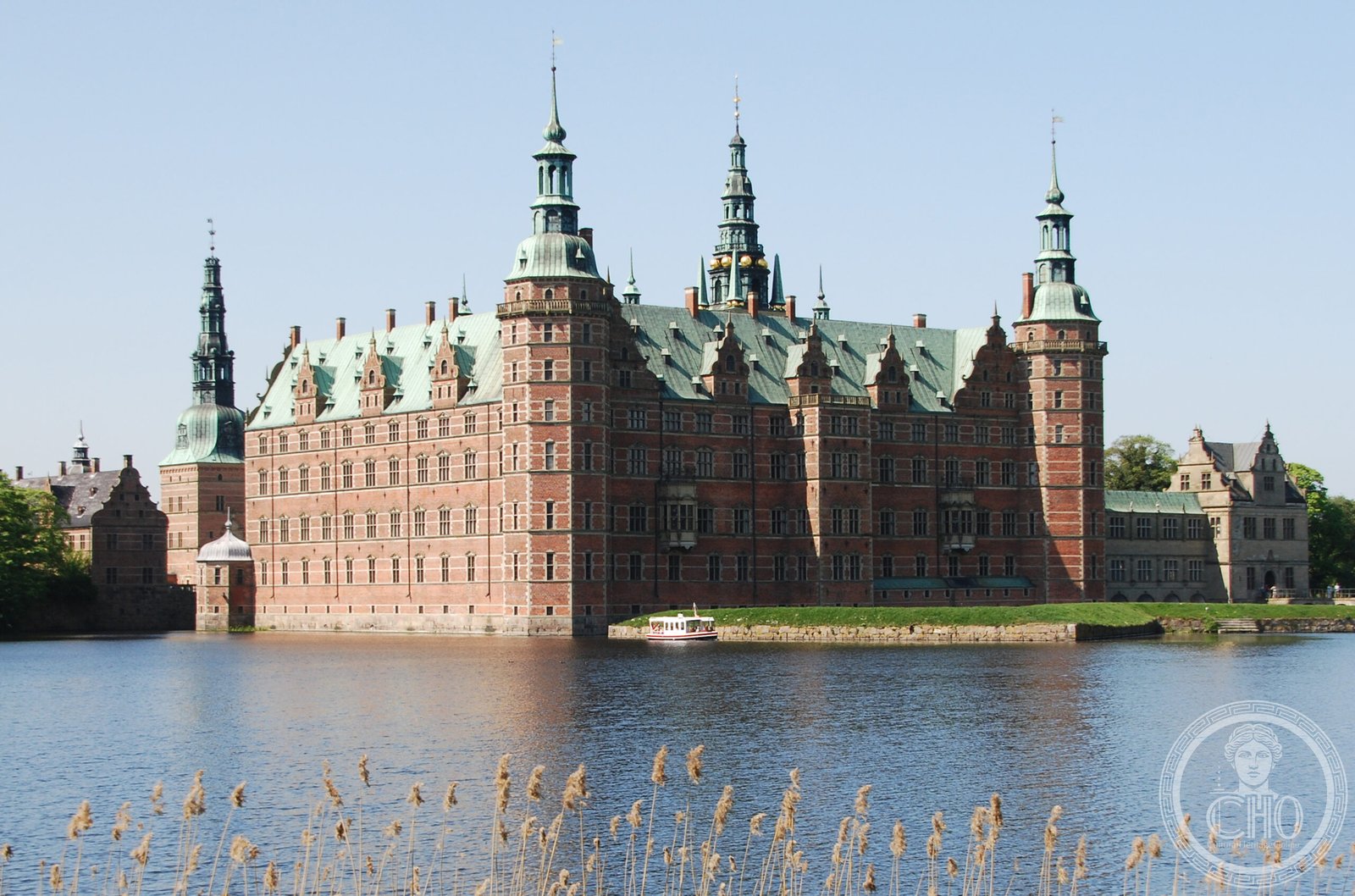
A palatial Renaissance complex built for King Christian IV, Frederiksborg ranks among Scandinavia’s grandest royal residences. Set on three islets in a formal Baroque garden, it survived catastrophic fire to become Denmark’s principal museum of national history.
At a glance
Frederiksborg Castle stands as the largest Renaissance residence in Scandinavia, occupying three islets within the Slotssøen (castle lake) near Copenhagen. Originally replacing an earlier fortress acquired by Frederick II, it was commissioned by King Christian IV in the early 17th century. Today it functions as the Danish Museum of National History, open year-round to visitors.
History
Christian IV envisioned Frederiksborg as a statement of Danish power and sophistication during the Renaissance. The castle replaced a medieval predecessor, transforming the site into a royal residence befitting a major Nordic monarch. A devastating fire in 1859 threatened to destroy this legacy entirely. However, the castle was meticulously rebuilt according to historical plans and paintings, with crucial financial support from brewer J. C. Jacobsen and widespread public backing. By 1882, Frederiksborg reopened as a museum dedicated to Danish national history.
What you see
The castle’s architecture exemplifies Renaissance grandeur adapted to Scandinavian conditions. Three islets within the castle lake provide a dramatic setting, while a large formal garden in the Baroque style surrounds the complex. Interior highlights include the restored Valdemar Room and Great Hall, where rich furnishings and artworks showcase royal taste. The Chapel and Audience Chamber largely escaped the 1859 fire, retaining their sumptuous original decorations. Visitors encounter period rooms that reveal how Danish royalty lived during the castle’s zenith.
Cultural significance
Frederiksborg embodies Danish Renaissance ambition and resilience. Its collection of portrait paintings—the largest in Denmark—documents the nation’s royal and aristocratic heritage across centuries. The castle’s reconstruction after fire demonstrated 19th-century commitment to preserving national identity through material culture. As a museum, it bridges popular and elite history, offering insight into Danish governance, art and daily life from the Renaissance onwards.
Key facts
- Country: Denmark
- Location: Hillerød
- Coordinates: 55.935°N, 12.3012°E
- Built: Early 17th century, for King Christian IV
- Major fire: 1859; rebuilt and reopened as museum in 1882
- Collections: Largest collection of portrait paintings in Denmark
Practical information & getting there
Frederiksborg Castle is open throughout the year as the Danish Museum of National History. The castle sits within easy reach of Copenhagen by train or car. You can visit the state rooms, chapel, and audience chamber, as well as stroll the formal gardens. Check the museum website for current opening hours, admission fees and guided tour availability.
Sources & resources
Find it on the map
See this place and what’s around it →📷 Become a Cultural Heritage Online photographer
Share your photos of places: they stay published under your name as the author. The more they're seen, the more you get noticed — and soon a contest will reward the most appreciated photos.
Log in or sign up free to add a photoDo you manage this place?
This page is read by travellers and heritage enthusiasts who find it on Google. Keep it accurate — and make it work for you. Free for non-profit heritage institutions.