
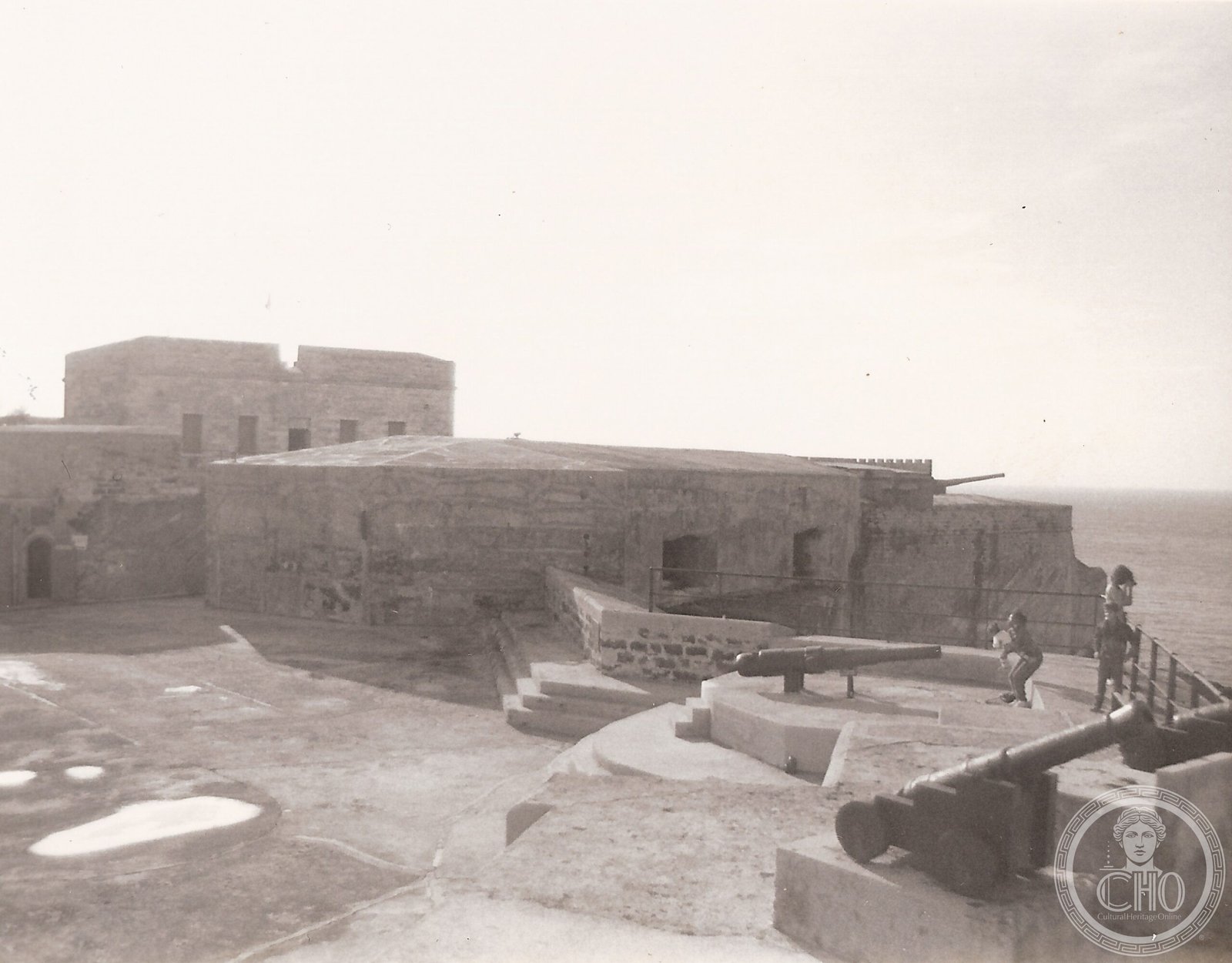
A coastal artillery fort guarding Bermuda’s northeast entrance since the early 17th century, now operating as a museum.
At a glance
Fort St. Catherine commands the North-East tip of St. George’s Island, a strategic position defending the imperial fortress colony of Bermuda. The fort has continuously evolved since its founding, adapting to changing military technologies and strategic needs across four centuries.
History
Established in 1612, Fort St. Catherine began as a defensive installation operated by Bermudian Militia forces. From the early period through the 20th century, the fort transitioned to regular Royal Artillery units, reflecting Britain’s increasing naval presence in the Atlantic. Successive redevelopment campaigns modernized its fortifications and artillery emplacements to meet contemporary warfare demands.
What you see
The fort’s design reflects classic coastal artillery principles, positioned to command approaches to the anchorage. Its evolution is readable in the layered stone construction and modified gun positions that document military engineering practices across multiple centuries.
Cultural significance
Fort St. Catherine stands as Bermuda’s oldest continuously used military structure. It embodies the island’s strategic importance within the British Empire’s Atlantic defense network and preserves evidence of garrison life and artillery technology spanning from the colonial era into the modern period.
Key facts
- Location: North-East tip of St. George’s Island, Bermuda
- Country: United Kingdom
- Coordinates: 32.3906°N, 64.6745°W
- Founded: 1612
- Current use: Museum
Practical information & getting there
The fort now operates as a public museum, providing access to its grounds and interior exhibits. Consult the museum’s official hours and admission details before planning your visit.
Sources & resources
Find it on the map
See this place and what’s around it →📷 Become a Cultural Heritage Online photographer
Share your photos of places: they stay published under your name as the author. The more they're seen, the more you get noticed — and soon a contest will reward the most appreciated photos.
Log in or sign up free to add a photoIs this page about you?
This page is read by travellers and heritage enthusiasts who find it on Google. Tell us how you are connected to this place and we will take it from there.