
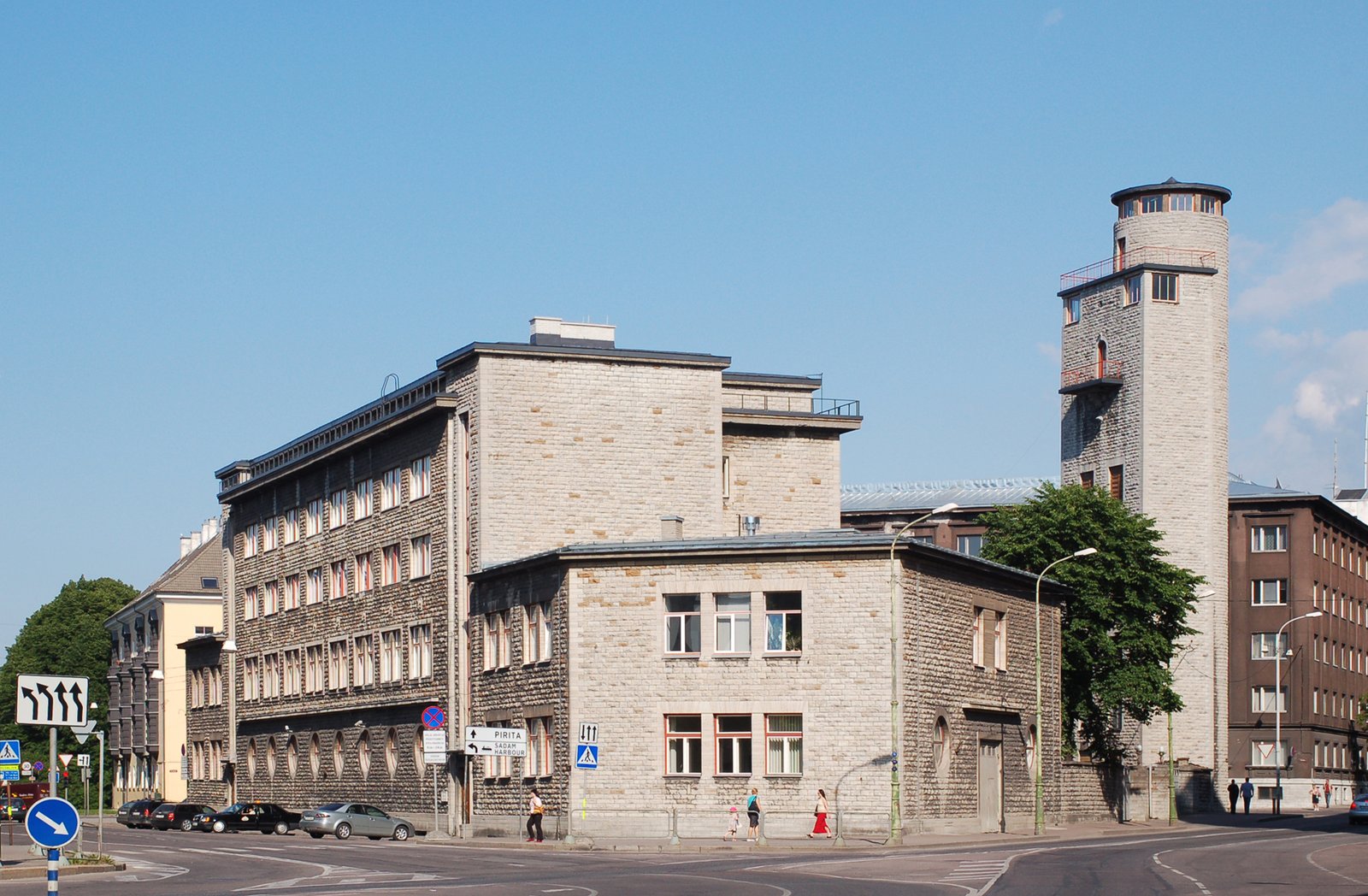
A museum dedicated to Estonia’s firefighting heritage, from the continent’s earliest volunteer brigades to professional services.
At a glance
The Estonian Firefighting Museum preserves the history of firefighting in Estonia, spanning from the 18th century to the modern era. It documents both the pioneering volunteer fire brigades and the establishment of professional departments that shaped European firefighting practices.
History
Estonia’s firefighting tradition began in 1788, when the Brotherhood of the Blackheads established the first volunteer fire department in the country. This was among the earliest organized firefighting brigades in contemporary Europe, marking a significant moment in continental fire safety history.
Professional fire departments followed much later, established shortly after the First World War in 1919. The museum documents both phases of this evolution.
What you see
The museum’s collections center on equipment, uniforms, vehicles, and historical documentation related to firefighting. Details on specific exhibits and building architecture are limited in current sources.
Cultural significance
The museum honors the Brotherhood of the Blackheads’ pioneering role in European firefighting. It underscores Estonia’s place in the history of organized emergency services and civilian protection—a heritage that remains central to the nation’s identity.
Key facts
- Location: Tallinn, Estonia
- Coordinates: 59.4351059, 24.7638657
- First volunteer fire department in Estonia: 1788 (Brotherhood of the Blackheads)
- Professional fire departments established: 1919
Practical information & getting there
The museum is located in Tallinn’s city center. For current opening hours, admission fees, and guided tour availability, consult the museum’s official website or local tourism information services.
Sources & resources
Find it on the map
See this place and what’s around it →📷 Become a Cultural Heritage Online photographer
Share your photos of places: they stay published under your name as the author. The more they're seen, the more you get noticed — and soon a contest will reward the most appreciated photos.
Log in or sign up free to add a photoIs this page about you?
This page is read by travellers and heritage enthusiasts who find it on Google. Tell us how you are connected to this place and we will take it from there.