

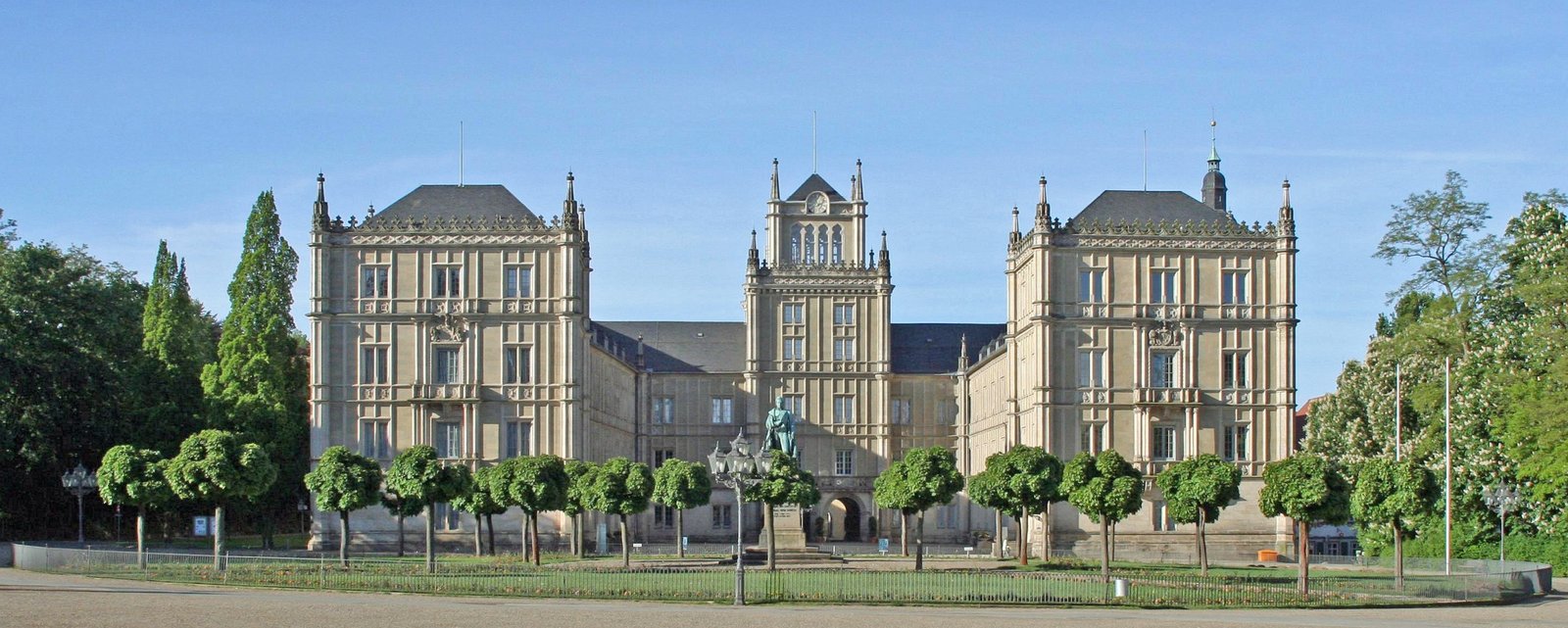
The principal residence of Coburg’s ruling princes for nearly four centuries, this palace seamlessly blends Renaissance foundations with Gothic Revival grandeur.
At a glance
Ehrenburg Palace stands as the historic seat of power in Coburg, Franconia. Its commanding facade, predominantly Gothic Revival in character, masks layers of architectural evolution spanning from the 1540s to the early twentieth century.
History
From the 1540s onwards, Ehrenburg served as the main residence for Coburg’s ruling princes, anchoring the principality’s political and cultural life. The palace remained the primary ducal seat until 1918, when the German monarchies were abolished following the First World War.
What you see
The palace’s exterior presents a striking Gothic Revival aesthetic that dominates its appearance today. This architectural language, typical of nineteenth-century restoration and enhancement, overlays the Renaissance core that emerged during the palace’s earliest phases of construction and development.
Cultural significance
Ehrenburg Palace embodies the ambitions and refinements of princely courts in German-speaking Europe. As the seat of Coburg’s rulers, it witnessed centuries of diplomatic, artistic and dynastic activity, functioning as both administrative center and symbol of territorial authority.
Key facts
- Country: Germany
- City: Coburg
- Coordinates: 50.2581, 10.9672
- Primary use: Princely residence, 1540s–1918
- Architectural style: Gothic Revival exterior
Practical information & getting there
Ehrenburg Palace is located in Coburg, a medieval town in Upper Franconia in northern Bavaria. The palace is situated in the town center and is accessible by road. For current opening hours, admission fees and guided-tour availability, consult the official Coburg tourism website or contact the palace directly.
Sources & resources
Find it on the map
See this place and what’s around it →📷 Become a Cultural Heritage Online photographer
Share your photos of places: they stay published under your name as the author. The more they're seen, the more you get noticed — and soon a contest will reward the most appreciated photos.
Log in or sign up free to add a photoIs this page about you?
This page is read by travellers and heritage enthusiasts who find it on Google. Tell us how you are connected to this place and we will take it from there.