
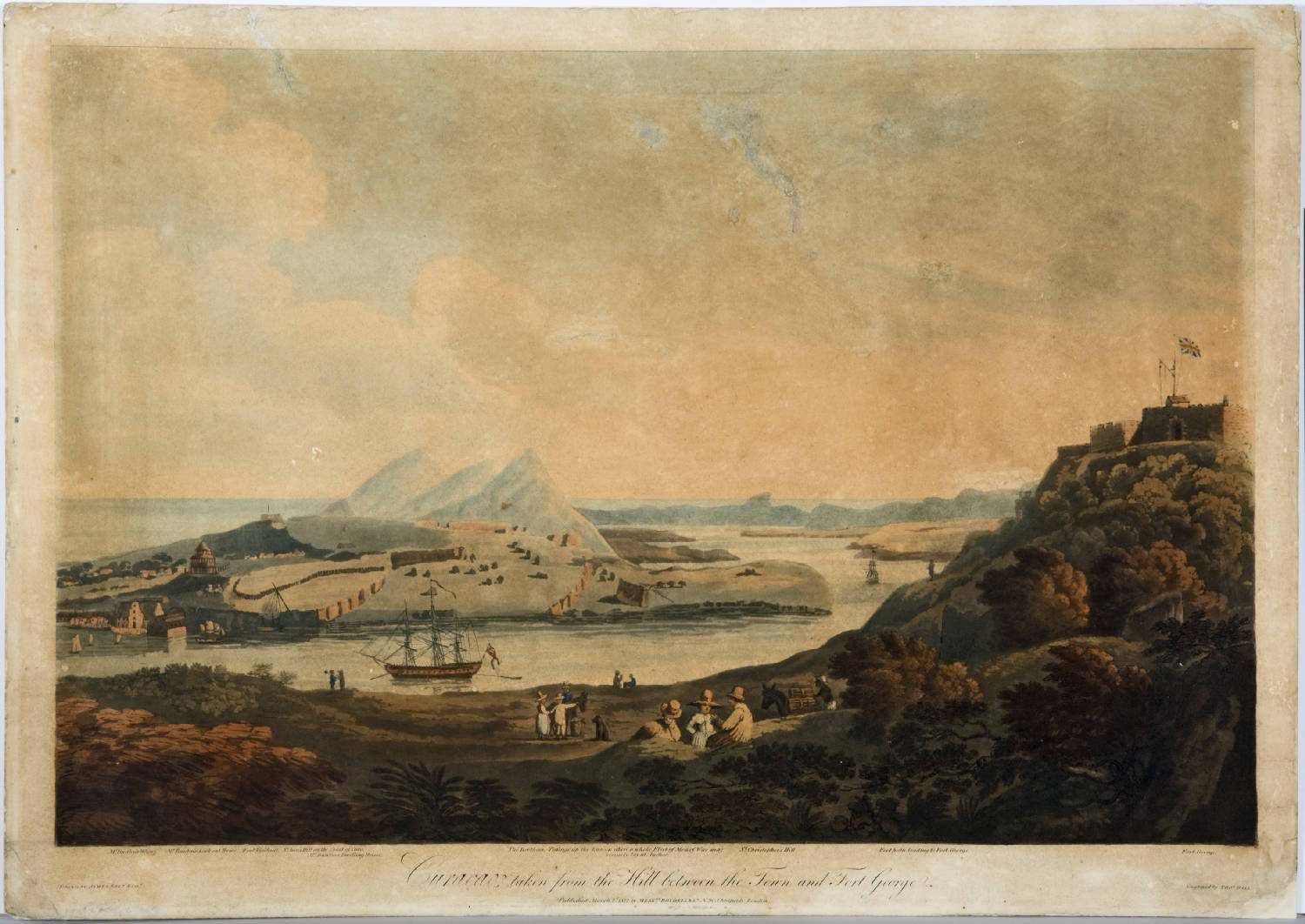
Venezuela’s first UNESCO World Heritage site, this colonial city and its Caribbean port preserve centuries of architectural and maritime history on the northwest coast.
At a glance
Coro stands in Falcón state as a rare surviving example of Spanish colonial settlement in Venezuela. Founded in 1527, the city developed around its strategic port, La Vela de Coro, on the Caribbean Sea. The 1993 UNESCO designation recognized its exceptional cultural and historical value.
History
Established early in the Spanish conquest of northern South America, Coro served as a vital trading hub connecting Europe, Africa, and the Americas. The city and port developed together, their fates intertwined by commerce and colonial administration across five centuries. La Vela de Coro became essential to regional maritime networks.
What you see
The urban fabric reflects Spanish colonial planning alongside vernacular Caribbean building traditions. Structures from multiple centuries remain, revealing how architectural styles evolved under successive waves of influence and adaptation to tropical climate and coastal conditions.
Cultural significance
As Venezuela’s first UNESCO World Heritage designation, Coro holds profound national importance. It represents a crucial point in the colonial encounter, where European, African, and indigenous cultures intersected. The port’s role in transatlantic trade networks shaped regional development patterns that persist today.
Key facts
- Country: Venezuela
- Founded: 1527
- Location: Falcón state, northwestern coast
- Coordinates: 11.4°N, 69.68°W
- UNESCO World Heritage Site: Yes (inscribed 1993, Venezuela’s first)
Practical information & getting there
Coro is accessible by road from other Venezuelan cities. The site encompasses both the historic city and its port area. Consult current travel advisories before visiting Venezuela.
Sources & resources
- Coro and its Port (Wikipedia)
- Cultural Heritage Online
Find it on the map
See this place and what’s around it →📷 Become a Cultural Heritage Online photographer
Share your photos of places: they stay published under your name as the author. The more they're seen, the more you get noticed — and soon a contest will reward the most appreciated photos.
Log in or sign up free to add a photo