
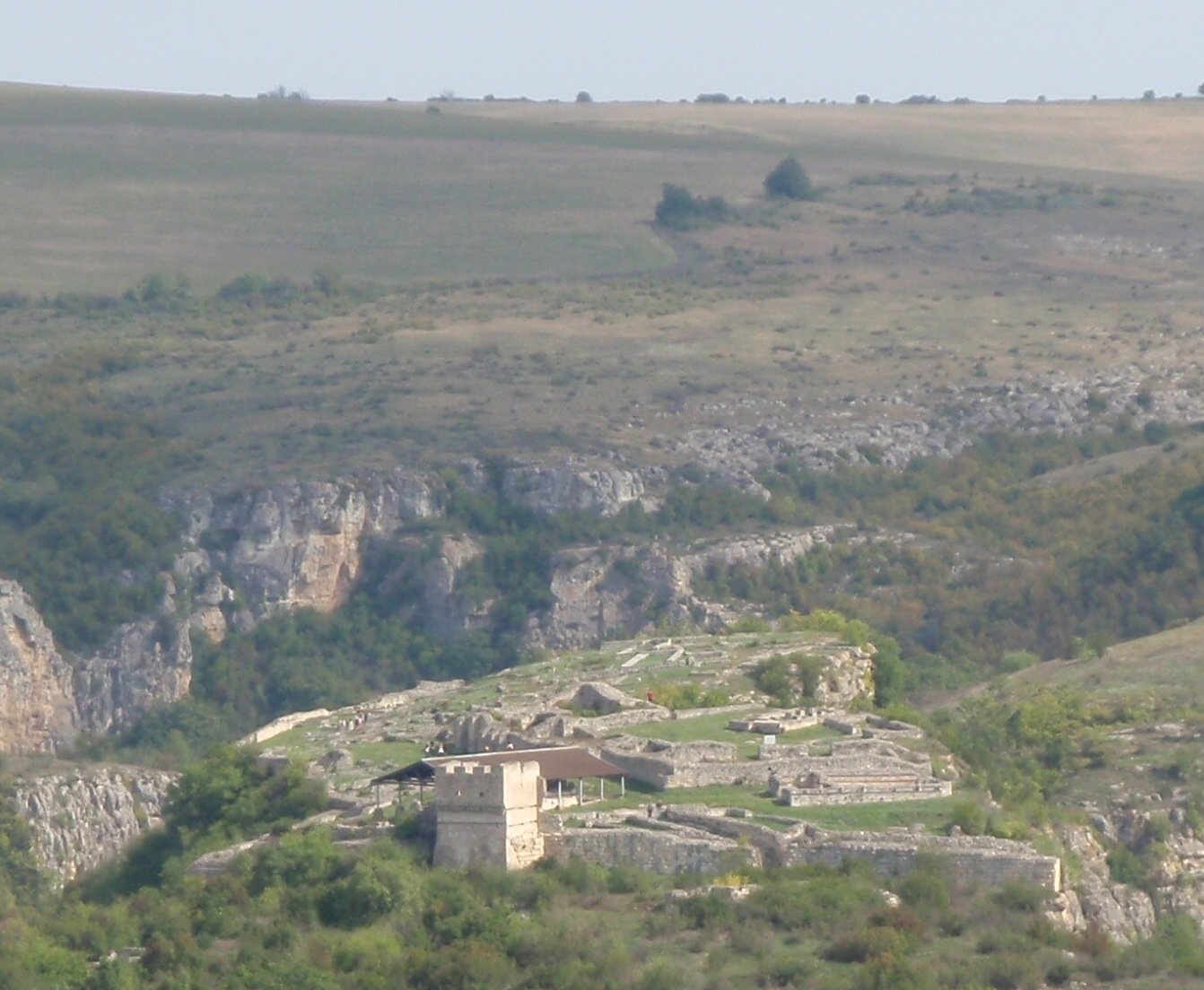
A pivotal stronghold of the Second Bulgarian Empire, Cherven commanded military, administrative, economic and cultural authority across the Balkans during the medieval period.
At a glance
Cherven was one of the Second Bulgarian Empire’s primary centres, strategically positioned in northeastern Bulgaria near present-day Rousse. The fortress functioned as a vital hub for military defense, regional governance, and trade from the 12th through 14th centuries.
History
During the Second Bulgarian Empire, Cherven rose to prominence as a major stronghold. For over two centuries, it served as an essential node in the empire’s network of military and administrative power. The fortress maintained its significance until the late medieval period.
What you see
Today, visitors encounter the ruins of the medieval fortress. The remains stand near the village of Cherven, approximately 30 to 35 kilometres south of Rousse, offering archaeological evidence of its former strategic importance.
Cultural significance
Cherven embodies the political and cultural reach of the Second Bulgarian Empire during its zenith. As both a military bastion and administrative centre, the fortress witnessed the consolidation of Bulgarian power in the eastern Balkans—a period of considerable cultural and economic development.
Key facts
- Country: Bulgaria
- Region: Northeastern Bulgaria, near Rousse
- Period: 12th–14th century
- Coordinates: 43.62°N, 26.02°E
- Function: Military, administrative, economic and cultural centre
Practical information & getting there
The fortress ruins are located near the village of Cherven, 30 to 35 kilometres south of Rousse in northeastern Bulgaria. Access details and visitor facilities should be confirmed locally before planning a visit.
Sources & resources
Find it on the map
See this place and what’s around it →📷 Become a Cultural Heritage Online photographer
Share your photos of places: they stay published under your name as the author. The more they're seen, the more you get noticed — and soon a contest will reward the most appreciated photos.
Log in or sign up free to add a photoIs this page about you?
This page is read by travellers and heritage enthusiasts who find it on Google. Tell us how you are connected to this place and we will take it from there.