
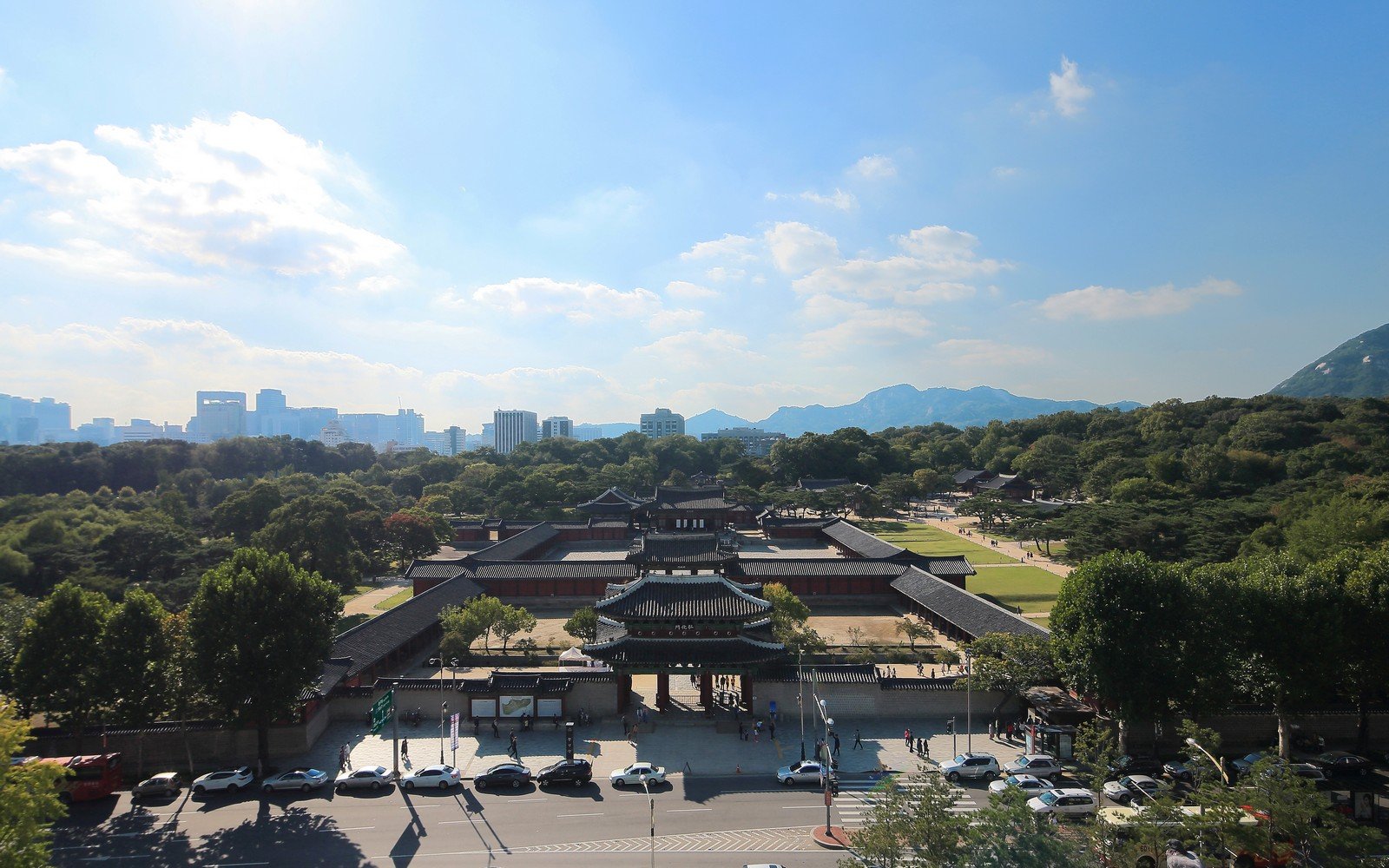
A royal palace built for Korea’s Joseon dynasty, destroyed and rebuilt across centuries of war and occupation, now restored as a window into Korea’s resilient past.
At a glance
Changgyeonggung stands as one of Seoul’s five grand palaces, a complex of traditional Korean architecture shaped by repeated cycles of construction, destruction, and restoration. Originally built in the mid-15th century, it bears the marks of invasion, colonial occupation, and deliberate demolition—yet survives as a testament to Korean cultural continuity.
History
King Sejong commissioned the palace in the mid-15th century as a residence for his father, Taejong, naming it Suganggung. In 1483, King Seongjong renovated and enlarged the complex, bestowing the name Changgyeonggung that remains today.
The Imjin War (1592–1598) devastated the palace. Successive Joseon kings rebuilt it, but Japanese forces methodically dismantled it in the early 20th century during colonial rule, converting the grounds into a public park modeled on Tokyo’s Ueno Park. A zoo, botanical garden, and museum occupied the site until 1983, when these facilities relocated to Seoul Grand Park. Restoration of the palace structures has continued in the modern era.
What you see
The palace survives in restored form, representing traditional Joseon architectural principles. Original structures were systematically destroyed; visitors encounter both reconstructed buildings and archaeological remnants that illustrate the site’s layered history.
Cultural significance
Changgyeonggung embodies Korean resilience through upheaval—from medieval dynasty to foreign conquest to modern nation-building. Its survival and restoration reflect changing attitudes toward cultural heritage preservation in Korea. The palace landscape itself records overlapping histories: royal residence, war casualty, colonial showpiece, public garden, and now reclaimed cultural monument.
Key facts
- Country: South Korea
- Location: Seoul
- Coordinates: 37.57843, 126.99598
- Original construction: Mid-15th century by King Sejong
- Renovation and renaming: 1483 by King Seongjong
- Original name: Suganggung
- Current name adopted: 1483
Practical information & getting there
Changgyeonggung is located in central Seoul and accessible by public transit. Check official visiting hours and current exhibitions before your visit. The site remains an active cultural heritage venue with ongoing restoration work.
Sources & resources
Find it on the map
See this place and what’s around it →📷 Become a Cultural Heritage Online photographer
Share your photos of places: they stay published under your name as the author. The more they're seen, the more you get noticed — and soon a contest will reward the most appreciated photos.
Log in or sign up free to add a photoIs this page about you?
This page is read by travellers and heritage enthusiasts who find it on Google. Tell us how you are connected to this place and we will take it from there.