
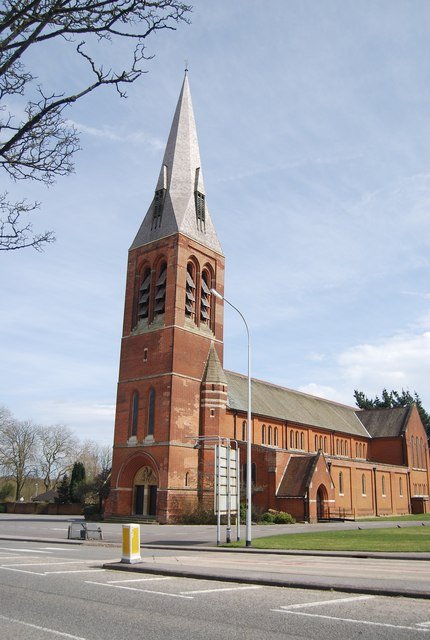
A military cathedral that shifted from Anglican to Roman Catholic authority, serving as the spiritual seat of the Forces for over fifty years.
At a glance
This cathedral on Queens Avenue stands as a unique institution within the British armed forces. Originally designed to serve the Anglican chaplaincies of the British Army, it transitioned to Roman Catholic leadership in 1973 and now functions as the cathedral for the Bishopric of the Forces.
History
The cathedral was initially conceived as the principal church for Anglican military chaplains. In 1973, a significant shift occurred: the building became the seat of the Roman Catholic Bishop of the Forces, reflecting changing priorities within military religious provision. This transformation marked a pivotal moment in its institutional identity.
What you see
The building’s architectural character reflects its original Anglican purpose before its conversion to Catholic use. Details of its design and construction remain an understudied aspect of this military cathedral.
Cultural significance
St Michael and St George represents an important intersection of military and religious heritage in modern Britain. Its dual history—first Anglican, then Catholic—demonstrates the evolving nature of spiritual care within the armed forces.
Key facts
- Location: Queens Avenue, Aldershot, United Kingdom
- Coordinates: 51.2599°N, 0.7598°W
- Current role: Cathedral of the Roman Catholic Bishopric of the Forces (since 1973)
- Original purpose: Principal church for Anglican Army chaplaincies
Practical information & getting there
The cathedral is situated on Queens Avenue in Aldershot, Hampshire. For current service times, visiting hours, and access information, contact the Bishopric of the Forces or local diocesan offices.
Sources & resources
Find it on the map
See this place and what’s around it →📷 Become a Cultural Heritage Online photographer
Share your photos of places: they stay published under your name as the author. The more they're seen, the more you get noticed — and soon a contest will reward the most appreciated photos.
Log in or sign up free to add a photoIs this page about you?
This page is read by travellers and heritage enthusiasts who find it on Google. Tell us how you are connected to this place and we will take it from there.