
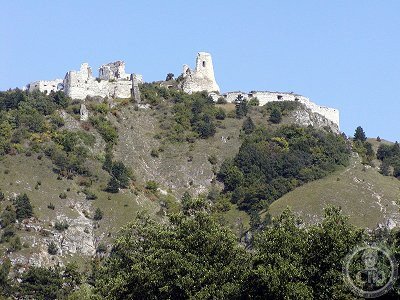
A hilltop castle ruin in Slovakia, once home to Countess Elizabeth Báthory and later her prison, now a protected nature reserve.
At a glance
Čachtice Castle stands on a hill above the village of Čachtice in western Slovakia. The castle ruin has been designated a national nature reserve, a status reflecting the rare plant species that flourish on the rocky slopes surrounding the fortification.
History
The castle served as a residence for the Hungarian nobility, notably Countess Elizabeth Báthory. Following allegations of serial killings, it became her place of imprisonment. The castle’s later history transformed it from a seat of power into an instrument of confinement.
What you see
Visitors encounter the remains of a fortress perched on a commanding hilltop. The castle ruin integrates with its natural setting, where the fortifications rise from terrain distinguished by ecological significance. The structure’s position afforded strategic views across the surrounding landscape.
Cultural significance
Čachtice Castle occupies a distinctive position in European history and legend, tied to one of history’s most controversial and documented cases of alleged serial murder. The site embodies the intersection of medieval aristocratic power, criminal history, and environmental conservation in modern Slovakia.
Key facts
- Country: Slovakia
- Location: Village of Čachtice
- Coordinates: 48.725°N, 17.761°E
- Status: National nature reserve
- Notable resident: Countess Elizabeth Báthory
Practical information & getting there
The castle ruins are accessible from the village of Čachtice. The hilltop location offers views across the surrounding countryside. Visitors should be prepared for the natural terrain and climbing required to reach the fortification. The site’s designation as a nature reserve means the area is protected—respect marked trails and local regulations.
Sources & resources
Find it on the map
See this place and what’s around it →📷 Become a Cultural Heritage Online photographer
Share your photos of places: they stay published under your name as the author. The more they're seen, the more you get noticed — and soon a contest will reward the most appreciated photos.
Log in or sign up free to add a photoIs this page about you?
This page is read by travellers and heritage enthusiasts who find it on Google. Tell us how you are connected to this place and we will take it from there.