
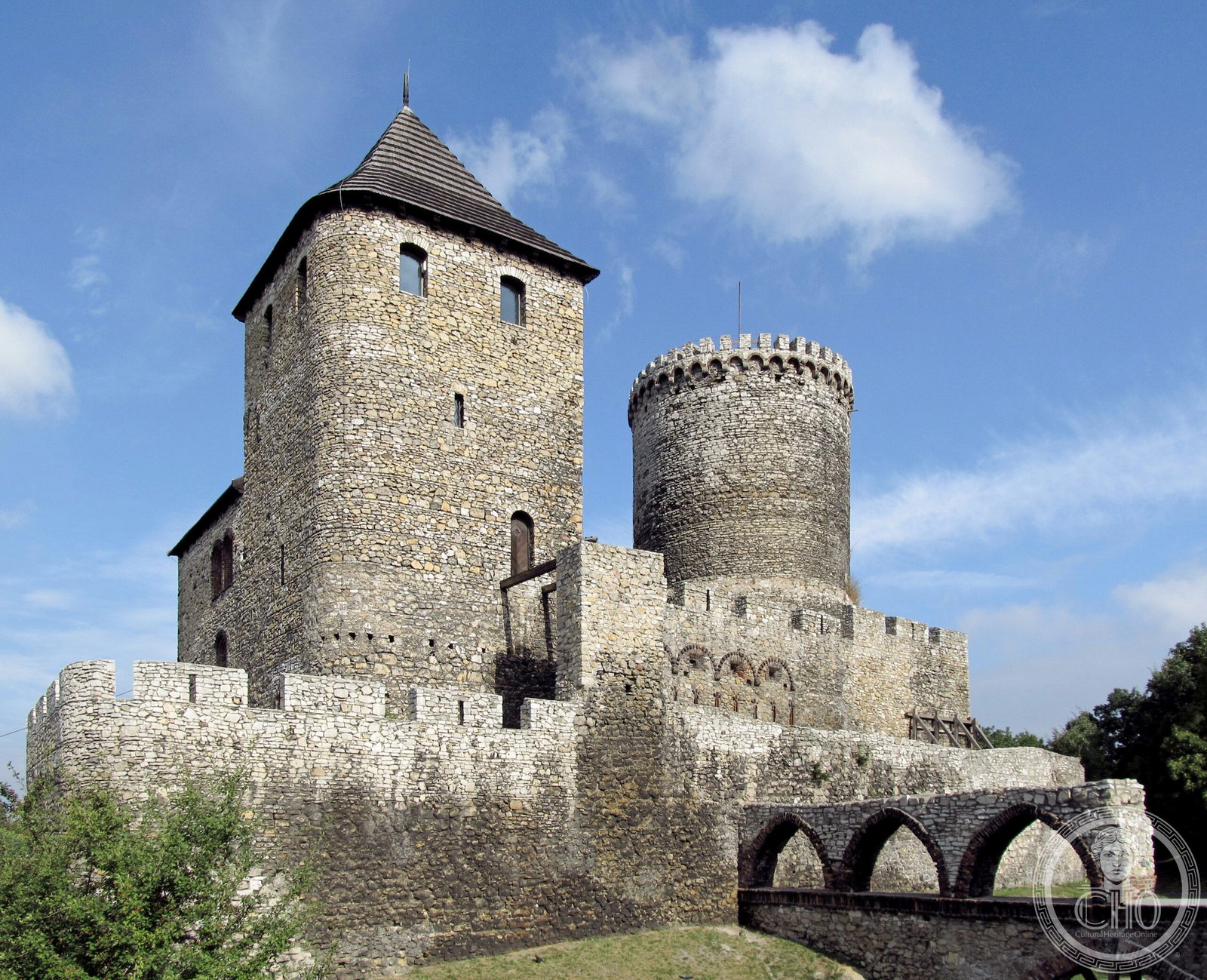
A stone fortress in southern Poland that evolved from an 11th-century wooden stronghold into a vital defensive bulwark of the Polish state.
At a glance
Będzin Castle stands as a testament to medieval Polish military architecture. Built in stone during the 14th century, it replaced an earlier wooden fortification that guarded the region from the 11th century onward. The castle commanded strategic importance across centuries of Polish and Commonwealth history.
History
Fortification of the Będzin site began in the 11th century with a wooden structure designed to protect Polish territory. By the 14th century, the wooden fortress gave way to a more permanent stone castle. This transition reflected both technological advancement and the castle’s growing prominence as a key defensive installation for the Kingdom of Poland. Throughout the Polish–Lithuanian Commonwealth era, Będzin Castle retained its strategic military value, serving the state’s northern frontier interests.
What you see
The castle’s stone construction represents 14th-century military engineering adapted to regional defensive needs. Its design and form reflect the architectural conventions of medieval Polish fortifications, though specific structural details remain to be fully documented in accessible sources.
Cultural significance
Będzin Castle embodies the long arc of Polish state formation—from the earliest fortified settlements through the era of the powerful Polish–Lithuanian Commonwealth. Its survival spans multiple centuries of European upheaval, making it a physical marker of regional continuity and power.
Key facts
- Country: Poland
- City: Będzin
- Coordinates: 50.327217, 19.129145
- Stone castle dates to the 14th century
- Predated by 11th-century wooden fortification
Practical information & getting there
Będzin is located in southern Poland and is accessible by road and rail from major regional centers. Visitors should check locally for current opening hours and access conditions before planning a visit.
Sources & resources
Find it on the map
See this place and what’s around it →📷 Become a Cultural Heritage Online photographer
Share your photos of places: they stay published under your name as the author. The more they're seen, the more you get noticed — and soon a contest will reward the most appreciated photos.
Log in or sign up free to add a photoIs this page about you?
This page is read by travellers and heritage enthusiasts who find it on Google. Tell us how you are connected to this place and we will take it from there.