
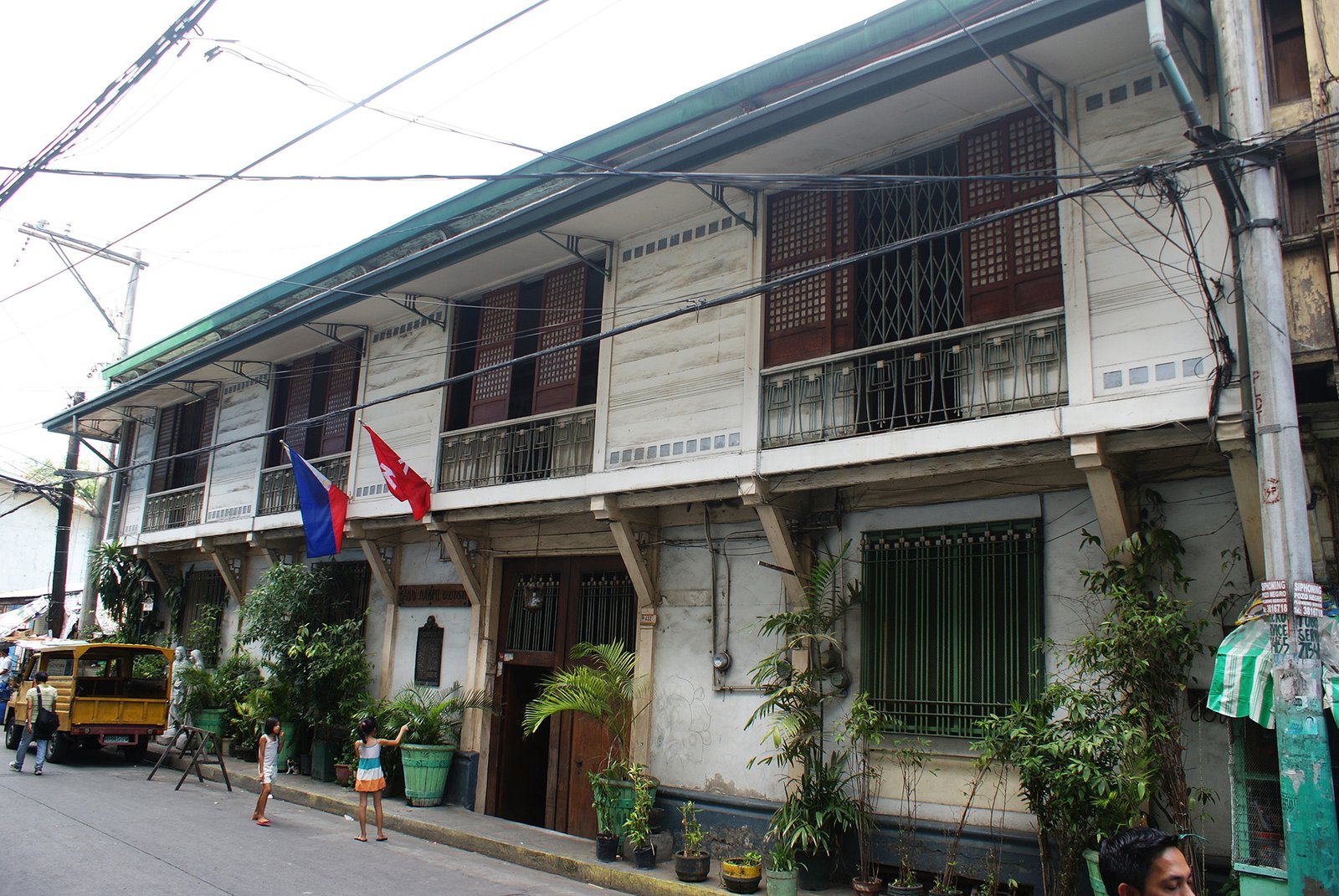
A preserved bahay na bato ancestral home in Quiapo district, now a museum dedicated to Philippine revolutionary history and cultural memory.
At a glance
The Nakpil-Bautista House is a traditional Filipino stone house built in the early twentieth century. Originally occupying two lots with a total area of 500 square metres, it exemplifies the architectural style and domestic life of Manila’s wealthy families during the American colonial period. The house has been officially recognized as a cultural property since 2011.
History
Constructed in 1914 by architect Arcadio Arellano, the house served as an ancestral residence for the Nakpil and Bautista families. On August 25, 2011, the National Historical Commission of the Philippines designated it a cultural property, recognizing its historical importance. The designation acknowledged the house’s role in preserving Filipino heritage and its connection to significant periods in the nation’s past.
What you see
The structure embodies the bahay na bato tradition—a distinctive Philippine architectural form combining stone masonry, timber framing, and decorative elements. The house’s design reflects early twentieth-century taste, with spatial organization typical of affluent Manila residences of that era. Its scale and materials convey the prosperity and cultural standing of its original owners.
Cultural significance
Today the house functions as both museum and community center, preserving artifacts related to the Katipunan—the revolutionary society that fought for Philippine independence. Its collections include period paintings and historical objects that document the nation’s struggle for freedom and the lives of the families who inhabited it.
Key facts
- Location: Quiapo district, Manila, Philippines (14.5984, 120.9847)
- Built: 1914
- Architect: Arcadio Arellano
- Declared cultural property: August 25, 2011
- Current use: Museum and community center
- Original area: 500 square metres (5,400 sq ft)
Practical information & getting there
The house is located in Manila’s Quiapo district. For current visiting hours, admission details, and accessibility information, contact the venue directly or check with the National Historical Commission of the Philippines.
Sources & resources
Find it on the map
See this place and what’s around it →📷 Become a Cultural Heritage Online photographer
Share your photos of places: they stay published under your name as the author. The more they're seen, the more you get noticed — and soon a contest will reward the most appreciated photos.
Log in or sign up free to add a photoIs this page about you?
This page is read by travellers and heritage enthusiasts who find it on Google. Tell us how you are connected to this place and we will take it from there.