
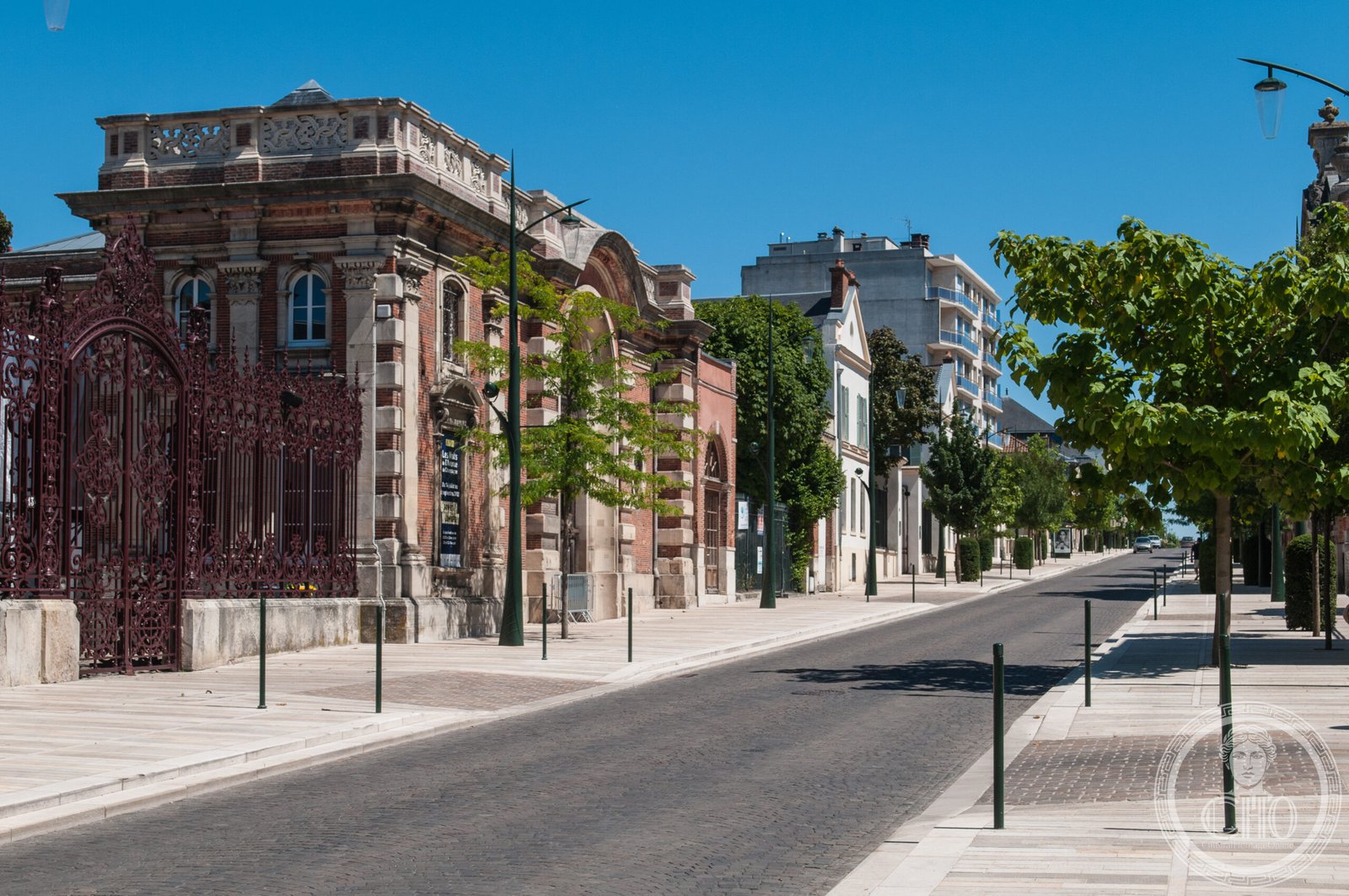
Avenue de Champagne
The world’s most valuable street, lined with champagne houses and honeycomb cellars storing millions of bottles beneath the surface.
At a glance
Avenue de Champagne runs through Épernay, the Capital of Champagne in France’s Grand Est region. The avenue takes its name from the major champagne producers—Moët et Chandon, Mercier, and De Castellane—that established themselves here. Its underground chalk cellars stretch for kilometres, creating a subterranean labyrinth of stored champagne that residents claim makes it the world’s most expensive street.
History
Located on a major historical trade route between France and Germany, the avenue began attracting champagne merchants as early as the 18th century. The combination of geography and commercial opportunity transformed it into the heart of the champagne industry. In 2015, both the cellars and the avenue itself were inscribed on the UNESCO World Heritage List as part of the Champagne hillsides, houses and cellars site, recognizing their testimony to champagne’s history, development, and the emergence of a unique agro-industrial system.
What you see
Above ground, the avenue showcases the grand mansions and headquarters of leading champagne houses. Below, an extensive network of chalk cellars—some descending multiple storeys—creates a second city. These subterranean spaces maintain ideal conditions for aging champagne, while the architecture reflects the 19th and early 20th-century confidence of the industry.
Cultural significance
Avenue de Champagne represents the industrialization and global commercialization of luxury winemaking. The avenue also houses a research center and Fort Chabrol, founded to study and mitigate the effects of grape phylloxera on champagne quality and production. Today it stands as a monument to a region’s transformation into a world-renowned brand.
Key facts
- Country: France
- City: Épernay
- Coordinates: 49.04°N, 3.97°E
- UNESCO World Heritage Site: Yes (2015, as part of Champagne hillsides, houses and cellars)
Practical information & getting there
Épernay is accessible by train from Paris and other regional centres. The major champagne houses along the avenue organize public visits and tastings. Many offer guided tours of their cellars, providing access to the underground passages and insight into champagne production and storage methods.
Sources & resources
Find it on the map
See this place and what’s around it →📷 Diventa un fotografo di Cultural Heritage Online
Condividi le tue foto dei luoghi: restano pubblicate con la tua firma come autore. Più vengono viste, più ti fai conoscere — e presto un concorso premierà le foto più apprezzate.
Accedi o registrati gratis per aggiungere una fotoDo you manage this place?
This page is read by travellers and heritage enthusiasts who find it on Google. Keep it accurate — and make it work for you. Free for non-profit heritage institutions.