
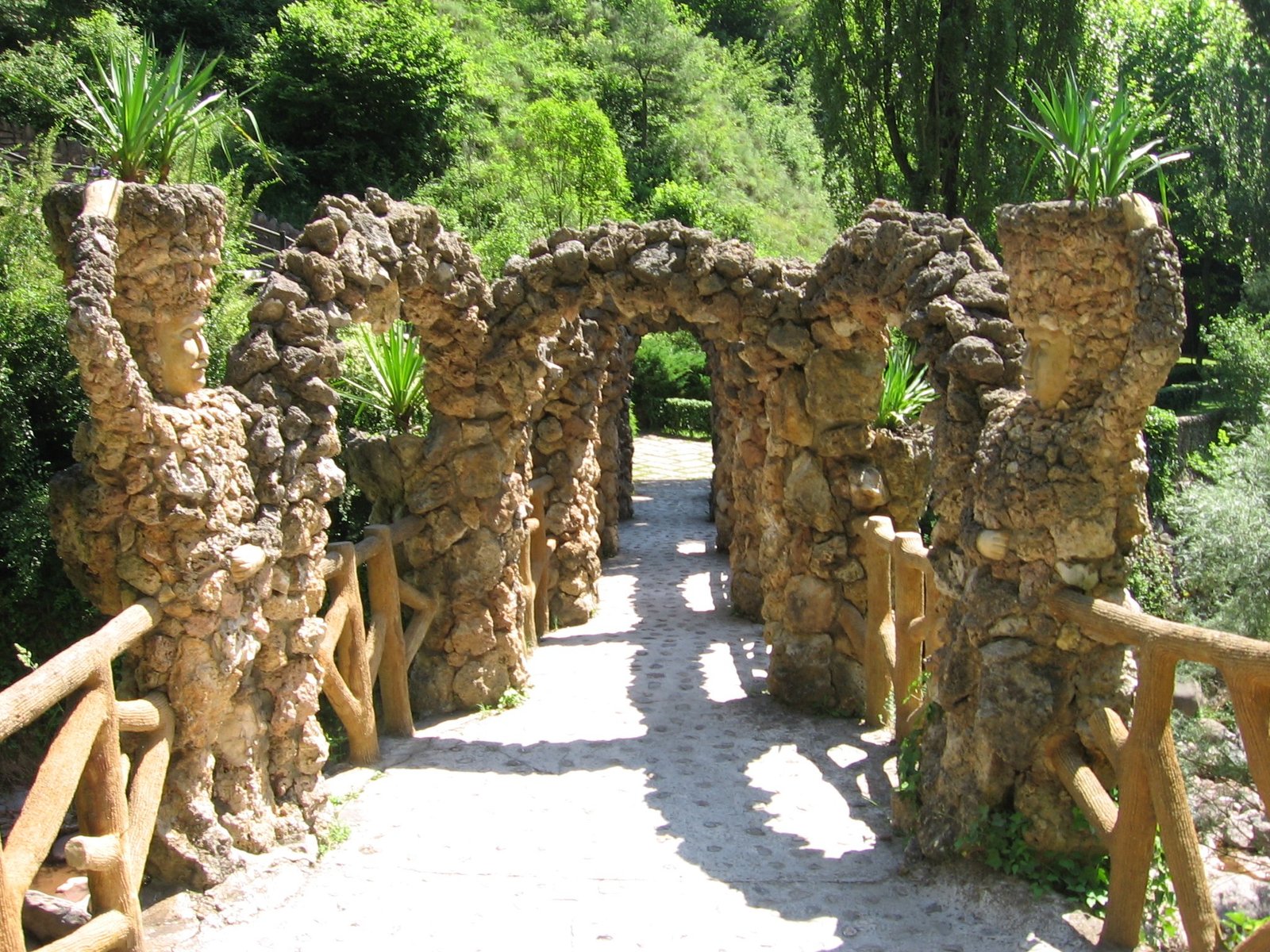
Antoni Gaudí’s Modernista garden sanctuary, designed in the early 1900s and restored to life a century later.
At a glance
These Catalan gardens showcase Gaudí’s distinctive architectural vocabulary applied to landscape design. Arches, stone work, and Catholic iconography transform the site into a spiritual and artistic retreat near Barcelona.
History
Gaudí designed the Artigas Gardens between 1905 and 1906 during his mature Modernista period. The site thrived initially but fell into significant decline; by the end of 1971, the gardens were practically abandoned. Recognition of their importance came decades later. In 1992, the Reial Càtedra Gaudí undertook a comprehensive restoration, returning the space to its intended splendor.
What you see
The gardens are defined by Gaudí’s signature arched structures and integrated stonework. Catholic symbols permeate the design, reflecting the architect’s spiritual convictions. Current sculptures were created by Ramon Millet i Domènech as part of the 1992 restoration, complementing Gaudí’s original vision with contemporary artistic contributions.
Cultural significance
The Artigas Gardens represent a unique application of Catalan Modernisme to landscape architecture. They demonstrate how Gaudí extended his philosophical and aesthetic concerns beyond buildings into the natural environment. The restoration effort underscores the growing recognition of Gaudí’s legacy as foundational to twentieth-century design.
Key facts
- Location: La Pobla de Lillet, Barcelona, Spain
- Coordinates: 42.2536, 1.975
- Designed: 1905–1906
- Architect: Antoni Gaudí
- Restored: 1992
Practical information & getting there
The gardens are located in La Pobla de Lillet, a village in the Catalan interior. Contact local tourism or the Reial Càtedra Gaudí for current visiting conditions and access information.
Sources & resources
Find it on the map
See this place and what’s around it →📷 Become a Cultural Heritage Online photographer
Share your photos of places: they stay published under your name as the author. The more they're seen, the more you get noticed — and soon a contest will reward the most appreciated photos.
Log in or sign up free to add a photoIs this page about you?
This page is read by travellers and heritage enthusiasts who find it on Google. Tell us how you are connected to this place and we will take it from there.