
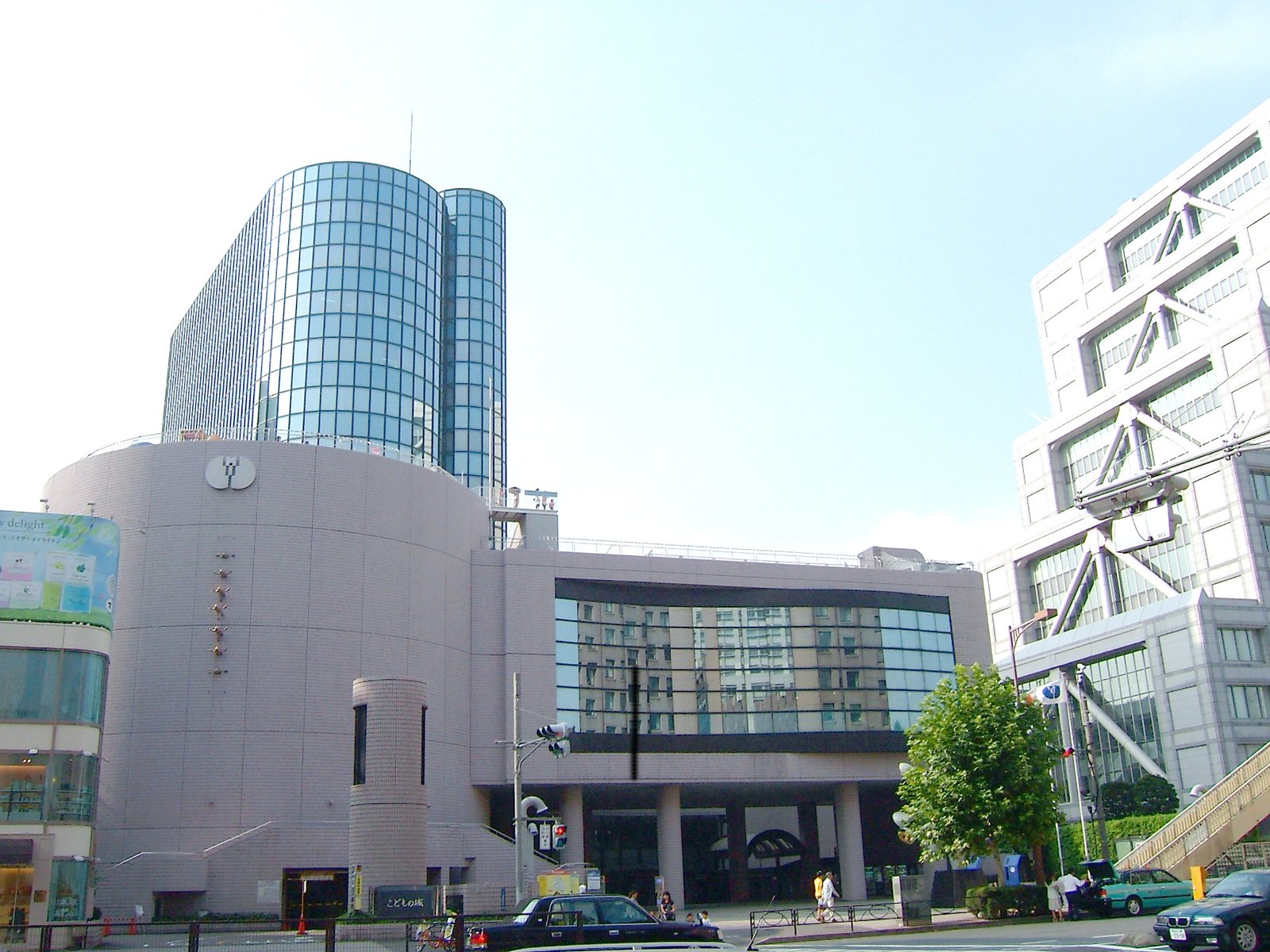
A 1,200-seat theatre in Tokyo’s Shibuya ward that served as a cultural venue within the National Children’s Castle for three decades.
At a glance
The Aoyama Theatre occupied a purpose-built space in the National Children’s Castle complex. Its design prioritized accessibility and comfort for family audiences attending performances and cultural events.
History
The theatre opened in November 1985 as part of the National Children’s Castle initiative in Shibuya. For nearly thirty years, it hosted theatrical productions, concerts, and children’s performances. The venue closed on 30 January 2015.
What you see
The theatre was equipped with seating for 1,200 spectators, making it a mid-sized performance space suited to diverse programming. It operated within the broader architectural context of the National Children’s Castle complex.
Cultural significance
The Aoyama Theatre represented Japan’s commitment to accessible cultural programming for young audiences during the 1980s and beyond. It provided a dedicated venue for children’s theatre, music, and dance at a time of growth in Tokyo’s cultural infrastructure.
Key facts
- Location: Shibuya, Tokyo, Japan (35.6623°N, 139.7074°E)
- Opened: November 1985
- Capacity: 1,200 seats
- Closed: 30 January 2015
Practical information & getting there
The theatre is no longer in operation. The National Children’s Castle complex in Shibuya was a landmark destination accessible via Tokyo’s public transport network.
Sources & resources
Find it on the map
See this place and what’s around it →📷 Become a Cultural Heritage Online photographer
Share your photos of places: they stay published under your name as the author. The more they're seen, the more you get noticed — and soon a contest will reward the most appreciated photos.
Log in or sign up free to add a photoIs this page about you?
This page is read by travellers and heritage enthusiasts who find it on Google. Tell us how you are connected to this place and we will take it from there.