
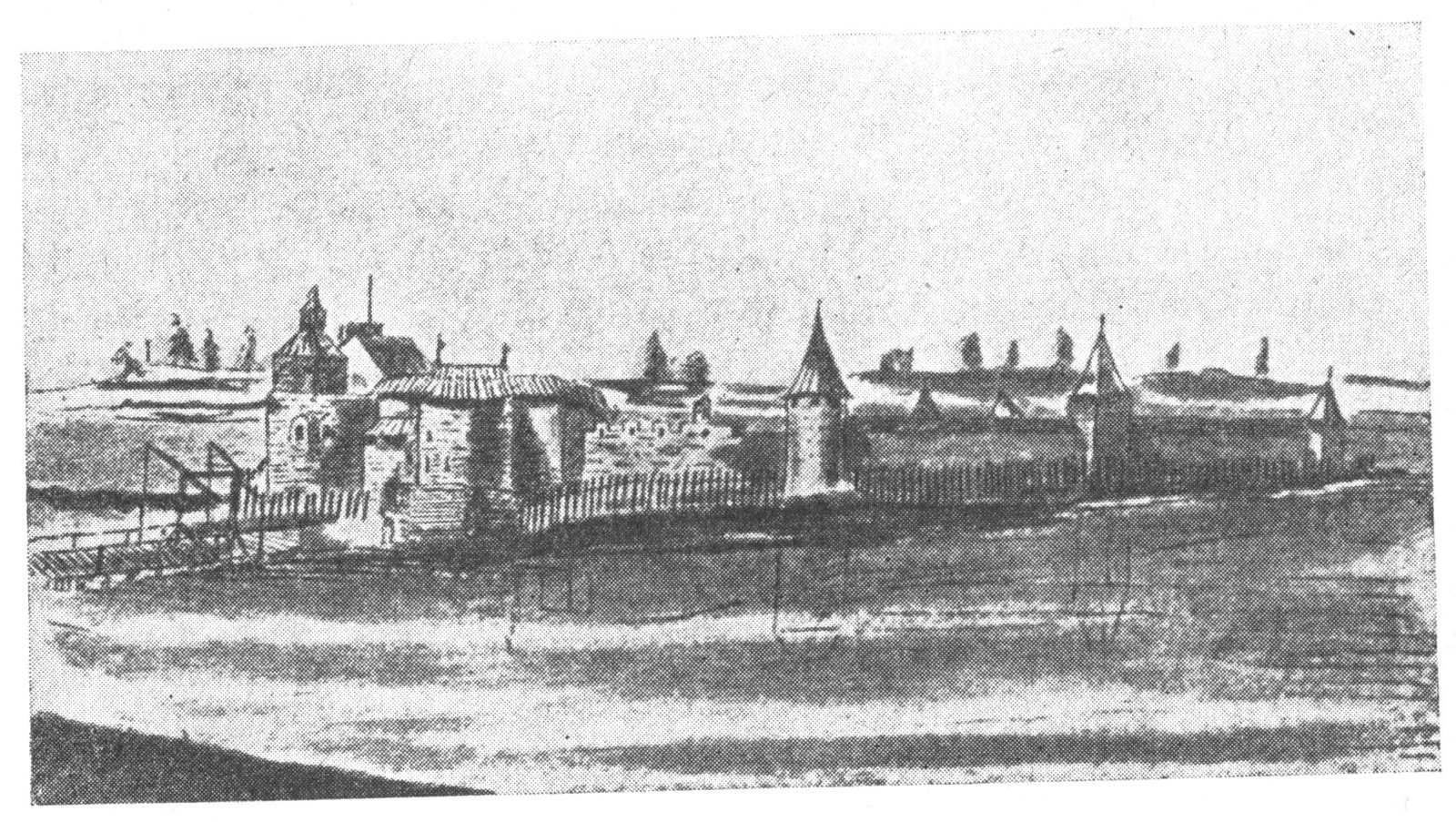
A fortress built by the Teutonic Knights in northeastern Latvia, Alūksne Castle stands as a testament to the medieval military architecture of the Baltic crusades.
At a glance
This castle represents the strategic fortifications established by the Teutonic Order across the Baltic region during their territorial expansion and consolidation of power.
History
Alūksne Castle was constructed by the Teutonic Knights as part of their broader campaign to control the Baltic territories. The fortress served as both a military stronghold and an administrative center for the Order’s operations in the region.
What you see
The castle exemplifies medieval fortress design adapted to local conditions and strategic needs. Its construction reflects the military engineering standards of the Teutonic Knights, who built numerous strongholds across the Baltic.
Cultural significance
Alūksne Castle represents an important chapter in Latvia’s medieval history, marking the period of external rule and cultural exchange between Western European and Baltic traditions. The site embodies the complex legacy of the Crusades in Northern Europe.
Key facts
- Location: Alūksne, Latvia
- Coordinates: 57.42916667°N, 27.05222222°E
- Builder: Teutonic Knights
- Also known as: Marienburgas pils (Latvian), Marienborg (Swedish), Marienburg (German)
Practical information & getting there
Alūksne is located in northeastern Latvia. Specific visiting hours, admission details, and accessibility information should be confirmed with local tourism authorities before planning your visit.
Sources & resources
Find it on the map
See this place and what’s around it →📷 Become a Cultural Heritage Online photographer
Share your photos of places: they stay published under your name as the author. The more they're seen, the more you get noticed — and soon a contest will reward the most appreciated photos.
Log in or sign up free to add a photoIs this page about you?
This page is read by travellers and heritage enthusiasts who find it on Google. Tell us how you are connected to this place and we will take it from there.