
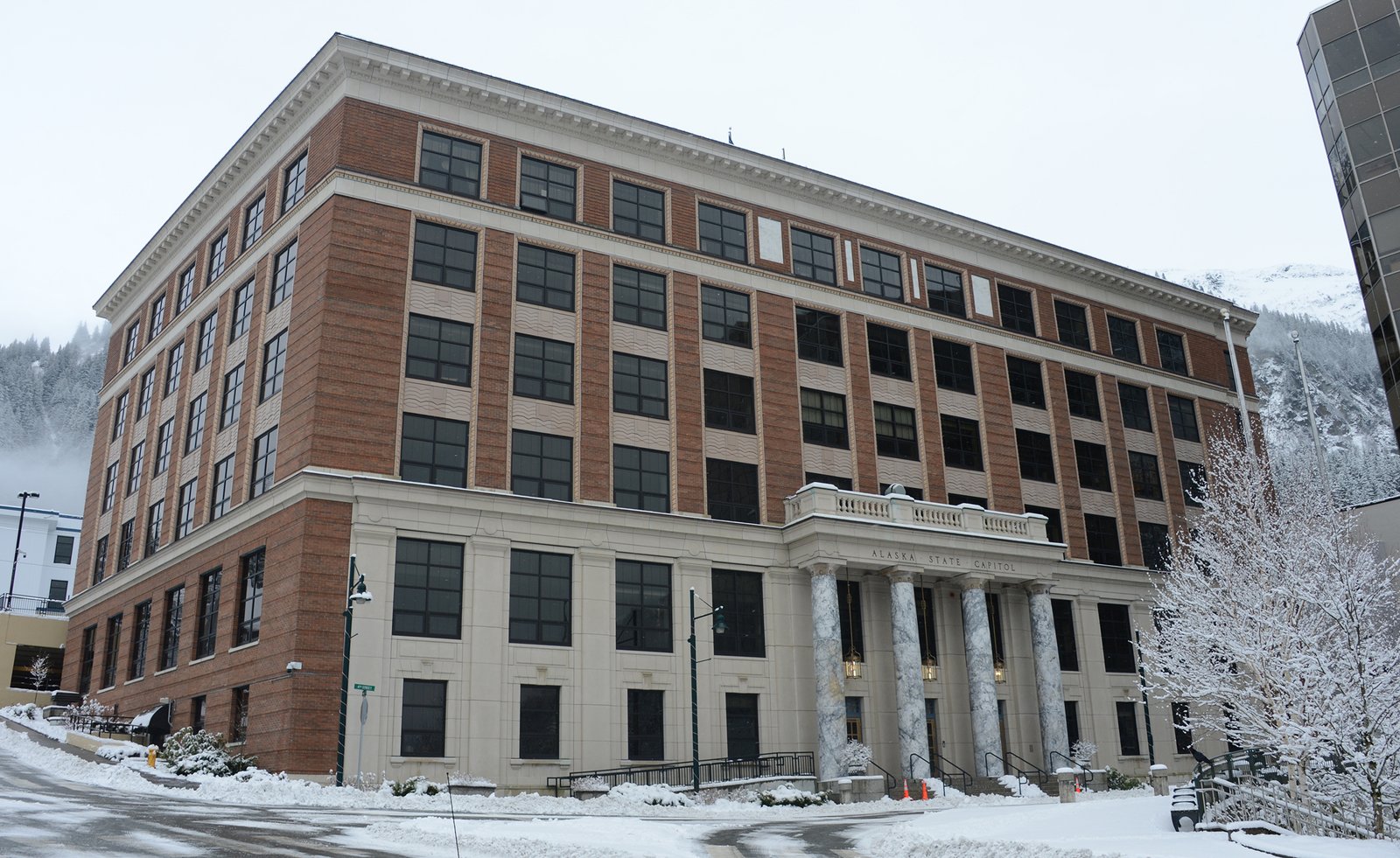
The seat of Alaska’s legislature and executive offices, this federal building opened in Juneau in 1931 and has served as the state capitol since statehood in 1959.
At a glance
The Alaska State Capitol houses the Alaska Legislature and the offices of the Governor and Lieutenant Governor. Opened as a federal building in Juneau on February 14, 1931, it transitioned to state use after Alaska’s admission to the Union.
History
Originally constructed and opened as a federal building in 1931, the structure predates Alaska’s statehood by nearly three decades. When Alaska became a state in 1959, the building was repurposed to serve as the state capitol, housing the legislative and executive branches. It has maintained this governmental function continuously since that transition.
Cultural significance
The Capitol represents a pivotal moment in Alaska’s history as the physical embodiment of statehood and self-governance. The building anchors Juneau’s civic identity and continues to serve as the working center of Alaskan government and democracy.
Key facts
- Country: United States
- City: Juneau
- Opened: February 14, 1931
- Coordinates: 58.3022, −134.4105
Practical information & getting there
The Capitol is located in Juneau, Alaska’s state capital. For current visiting hours, tours, or access information, contact the Alaska Legislature or check official state government websites.
Sources & resources
Find it on the map
See this place and what’s around it →📷 Become a Cultural Heritage Online photographer
Share your photos of places: they stay published under your name as the author. The more they're seen, the more you get noticed — and soon a contest will reward the most appreciated photos.
Log in or sign up free to add a photoIs this page about you?
This page is read by travellers and heritage enthusiasts who find it on Google. Tell us how you are connected to this place and we will take it from there.