

Volcanic islands combine geological drama with some of the most concentrated cultural heritage in the Mediterranean: Santorini’s caldera is the result of the eruption that destroyed Bronze Age Minoan civilisation; Stromboli’s continuously erupting cone has been the reference point for volcanology since ancient times; the Azores sit astride the Mid-Atlantic Ridge with Baroque architecture dropped into a landscape of calderas and hot springs.
What is the cultural heritage of Santorini beyond the sunsets?
Akrotiri, on the southern tip of Santorini, is the Bronze Age Minoan settlement buried and preserved by the volcanic eruption of c.1627 BC. The site — covered by a modern protective structure — exposes multi-storey buildings, streets, and artefacts in place. The National Museum of Prehistoric Thera in Fira houses the Akrotiri frescoes — the Spring Fresco (blue swallows in a red lily field) is one of the finest examples of Minoan painting. The pre-eruption civilisation was trading with Egypt and Crete and producing wall frescoes of equal quality to contemporary Minoan Crete.
Is Stromboli just a tourist attraction or a genuine heritage site?

Stromboli’s persistent volcanic activity (eruptions every 15–20 minutes from the Sciara del Fuoco vent) has been continuously observed since antiquity — it is the original reference for the Strombolian eruption type in volcanology. The island was home to a community of fishermen and lighthouse keepers for centuries before Roberto Rossellini filmed Stromboli (1950) with Ingrid Bergman. The guided night climb to the observatory rim (600m, 3 hours) is one of the most unusual tourist experiences in Italy; only licensed guides are permitted on the active summit.
What is on the island of Vulcano in summer?
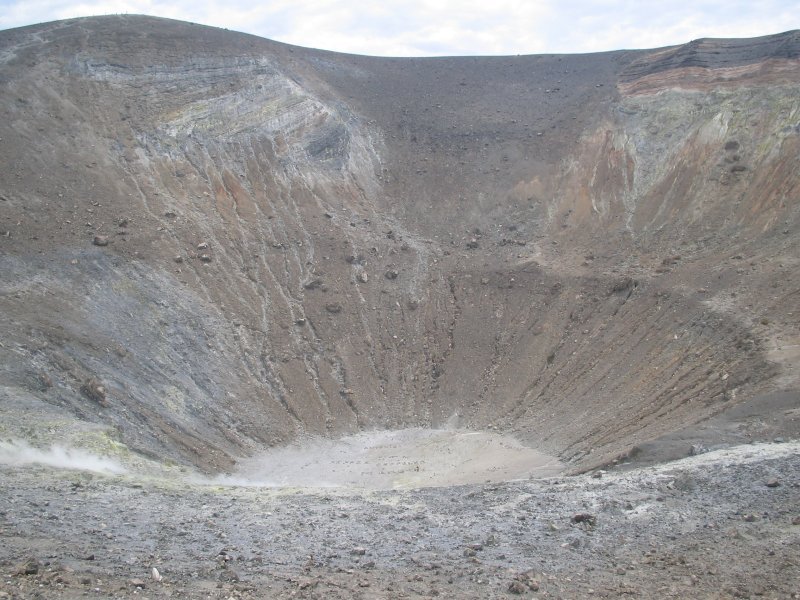
Vulcano is the island in the Aeolian archipelago closest to the Sicilian coast and most easily accessible. The Gran Cratere della Fossa, last erupted in 1890, can be climbed in 45 minutes for views across all seven Aeolian islands. The therapeutic mud pools (fanghi) at the harbour are free to use and popular for their sulphur-content skin treatment. Vulcano is a viable day trip from Milazzo by high-speed ferry (30 minutes).
Are the Azores worth visiting for cultural heritage as well as nature?

The Azores — Portuguese territory in the mid-Atlantic — have Baroque heritage of unexpected quality: the Angra do Heroísmo on Terceira island (UNESCO) is a complete 16th-century Atlantic port city, the seat of the Portuguese Empire’s transatlantic operations, with the Fortaleza de São João Baptista, the city grid, and Baroque churches intact. The island of São Miguel has the Caldeiras das Furnas — a volcanic valley where locals cook cozido das Furnas in pots sunk into the geothermal ground, a practice unchanged for two centuries.
What makes the Aeolian Islands a UNESCO World Heritage site?
The Aeolian Islands were inscribed in 2000 for their outstanding geological value: they represent the complete cycle of volcanic island formation and are studied as the type-locality for two eruption styles (Strombolian and Vulcanian). Lipari has an Archaeological Museum documenting 6,000 years of continuous occupation, including the most important obsidian trade collection in Europe.
Practical notes for volcanic island visits in summer
- Stromboli summit climbs: booked through licensed guides at magmatrek.it or strombolionline.it; the night hike (sunset departure, summit at full dark) is the most dramatic option.
- Santorini Akrotiri: open daily year-round; closed Mondays out of season.
- Azores (Terceira): direct flights from Lisbon (2h) and some European cities; Angra do Heroísmo Old Town is walkable in 2–3 hours.
- Aeolian Islands ferries: from Milazzo (Lipari 55 min hydrofoil, Stromboli 3h); multi-island circuits possible with Liberty Lines hydrofoil passes.
Sources
- S1 — Doumas, Christos. Thera: Pompeii of the Ancient Aegean. Thames and Hudson, 1983. ISBN 978-0-500-39016-0.
- S2 — Barber, R. L. N. The Cyclades in the Bronze Age. Duckworth, 1987. ISBN 978-0-7156-2160-8.
Spotted an error? Write to editorial@culturalheritageonline.com and we correct it the same day.