
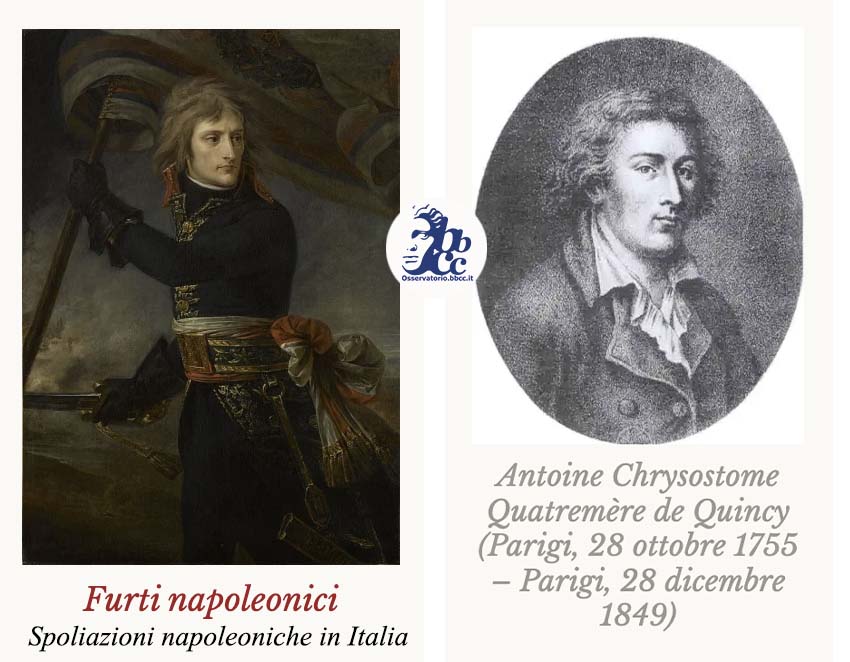
During his military campaign through Italy in 1796–1797, Napoleon Bonaparte received instructions from the French Directory to transfer a substantial collection of artworks belonging to the Papal States to France. The Directory emphasized linking artistic glory with military achievement, arguing that Italy, as a source of great wealth and artistic renown, should cede this cultural inheritance to France to enhance the grandeur of the republic of liberty.
The Treaty of Tolentino
The Treaty of Tolentino, signed on 19 February 1797 with Pope Pius VI, formalized this cultural transfer. The agreement obligated the Papal States to surrender a considerable portion of their artistic patrimony to France. Among the masterpieces relocated were the Laocoön sculpture group, the Apollo Belvedere, and Raphael’s Transfiguration. These works eventually found residence in a Parisian building that had itself undergone significant transformations: a fortress in the twelfth century, a royal residence by the fourteenth century, a museum conceived by Louis XV in the eighteenth century, a National Palace in 1791, the Museum of the Republic two years later, the Musée Napoléon in 1802, and finally the present-day Louvre, one of the world’s most prominent museums.
Intellectual Opposition
The seizures generated criticism among French intellectuals. Antoine Chrysostome Quatremère de Quincy emerged as a vocal opponent, articulating his objections through his Lettres à Miranda. Quatremère de Quincy defended the principle that artworks should be appreciated within their original context, deploring the French confiscation of Italian masterpieces and insisting on the necessity of preserving works within their original settings.
Frequently asked questions
What were the main artworks seized from the Papal States?
Among the major masterpieces transferred to France were the Laocoön sculpture group, the Apollo Belvedere, and Raphael’s Transfiguration.
When did the Treaty of Tolentino require these transfers?
The treaty was signed on 19 February 1797 between Napoleon and Pope Pius VI, establishing the legal basis for transferring Papal States artworks to France.
Who critiqued these seizures from a French perspective?
Antoine Chrysostome Quatremère de Quincy, through his Lettres à Miranda, opposed the spoliations, arguing that artworks should remain in their original contexts rather than being removed from their settings.
Sources
- S1 — Miles, Margaret M. Art as Plunder: The Ancient Origins of Debate about Cultural Property. Cambridge University Press, 2008. ISBN 978-0-521-88459-4.
- S2 — Nicholas, Lynn H. The Rape of Europa: The Fate of Europe's Treasures in the Third Reich and the Second World War. Vintage Books, 1995. ISBN 978-0-679-75686-6.
Spotted an error? Write to editorial@culturalheritageonline.com and we correct it the same day.


