The only Italian film in competition at Locarno’s Leopards of Tomorrow won Best Direction with a story built on a custom that does not exist. Its director says so himself — and that is precisely what makes it worth writing about.
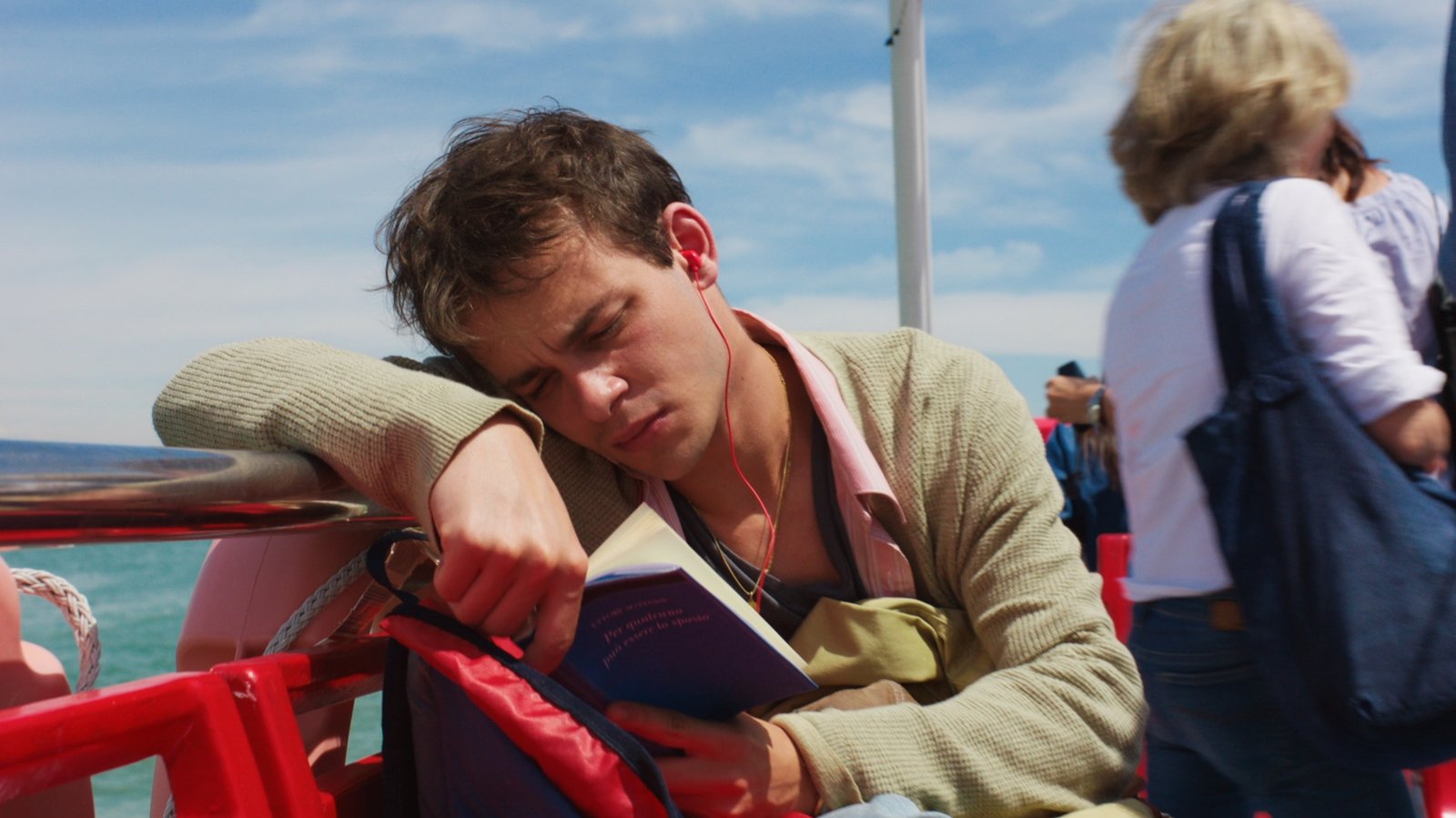
There is a point in the life of a place where belonging stops being a matter of paperwork and becomes something you carry in your body. Mutrion, the short film by the 26-year-old Venetian director Marco Cavazzin, takes that idea and makes it literal. In the small lagoon community where the film is set, the inhabitants — on reaching a certain age — watch the nail of their right big toe darken until it drops off. Not an illness. Not a piece of local colour. A mark of recognition, a rite of passage written directly into the body.
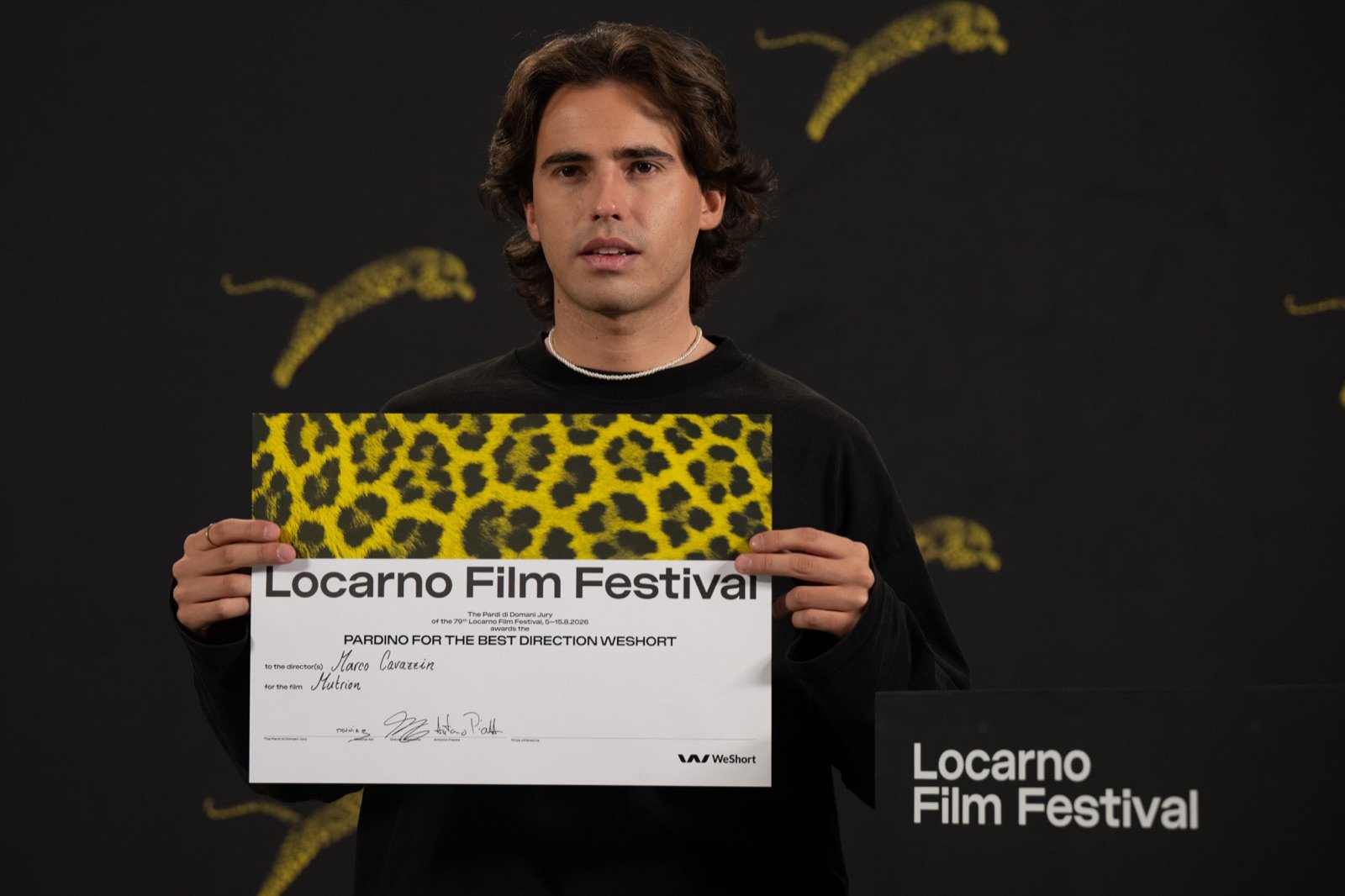
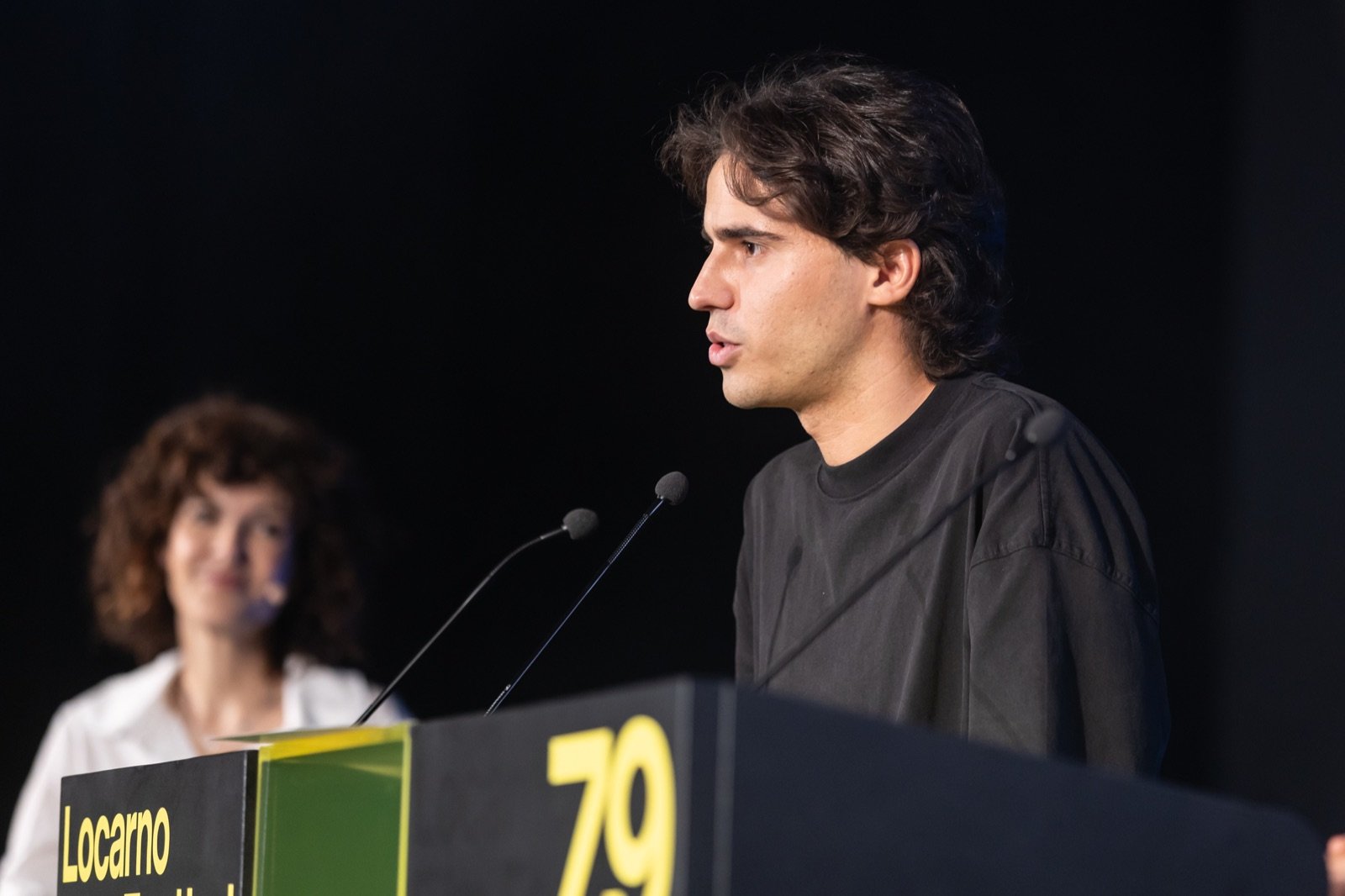
On 15 August the film won the Pardino for Best Direction WeShort in the International Competition of Pardi di domani, the short-film section of the 79th Locarno Film Festival, an award carrying a prize of 5,000 Swiss francs. The certificate puts it plainly: to the director Marco Cavazzin, for the film Mutrion. It was the only Italian title among twenty films selected from around the world, alongside work from France, the United Kingdom, Iran, Qatar, China, Taiwan, the United States and Ukraine.
The custom is invented. That is the point
It would be easy, and wrong, to report the toenail as a genuine lagoon tradition. It is not one, and the director is the first to say so. In his production notes, quoted by the Italian news agency ANSA, Cavazzin writes that in the islands and villages of the Venetian Lagoon there survive rituals, superstitions and family stories that mark collective identity — and that it is from that suggestion that the custom at the centre of the film is born.
The custom comes from the suggestion. It was made for the film. And the reason it works — the reason a viewer from the lagoon does not reject it on sight — is that the ground it grows in is real. The islands are full of things half-remembered and handed on in a low voice: signs read in the weather, rules about what you do and do not do before going out on the water, the private superstitions of families whose living has depended on the tide for generations.
An invented tradition that sounds plausible tells you something true about a place: that it is still the kind of place where a tradition could be alive. That is rarer than it sounds, and it is going.
Leaving, and coming back
Marco — nicknamed Mutrion as a child, which in the local dialect means something close to sulky — left the island at twenty, abandoning friends and family. Four years later, after the end of a relationship, he returns. Waiting for him is Maicol, a childhood friend of the opposite temperament who stayed: a fisherman, following his father and his grandfather before him.
The film sets the two trajectories against each other, the one who left and the one who remained, and puts the same question to both: how far can you actually choose your own identity? Marco has not lost the toenail. He is not yet, or perhaps no longer, one of them.
The short was produced by the independent studio Etimo with Goofy Studio and Magenta Film, and shot across the islands and villages of the Venetian Lagoon. Manfredi Marini plays Marco and Giulio Maroncelli plays Maicol. Cinematography is by Francesca Pavoni, editing by Christian Marsiglia, sound design by Mirko Fabbri, original music by Carlo Megighian. Cavazzin, born in Venice, graduated in 2023 from the Academy of Fine Arts in Bologna.
The place behind the fiction
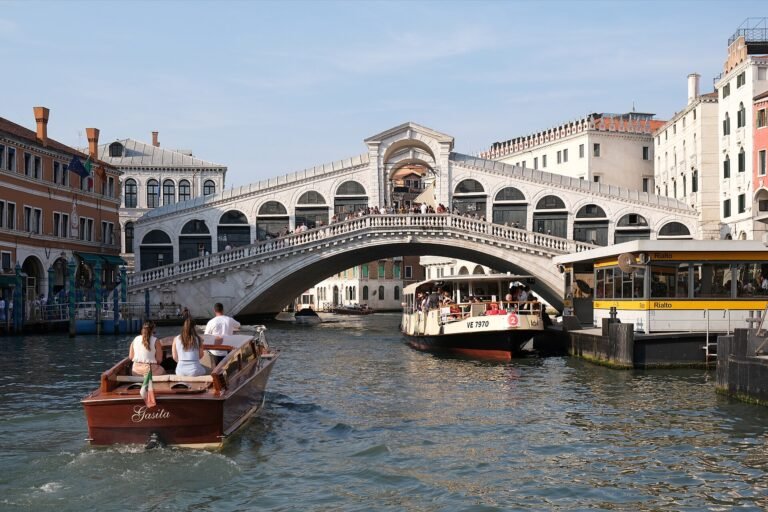
The lagoon in the film is never named, and that is deliberate: it stands for all of them. The real one is a working landscape shaped by people for more than a thousand years — fishing valleys, market gardens on reclaimed mud, boatyards, monastic islands, villages raised on stilts and silt. Venice and its Lagoon have been on the UNESCO World Heritage list since 1987, and the inscription covers the water and the islands, not only the famous city at the centre of it.
We have documented parts of it. The Convent of Isola San Francesco del Deserto stands on one of the quietest islands of the northern lagoon, reachable only by private boat. The Civic Museum of the South Lagoon at Chioggia keeps the record of the fishing communities at the other end of the water. At Bacaro Al Timon Bragozzo the name itself preserves a vanished boat: the bragozzo was the flat-bottomed sailing craft of the Chioggia fishermen. And Lo Squero Auditorium occupies a squero, one of the small yards where wooden Venetian boats were built and repaired, most of which are now gone.
None of these places is in the film. All of them are the world the film is about.
Why a heritage publication is writing about a short film
Because Mutrion does what a place-record cannot: it asks what happens to intangible heritage when the people who carry it leave. A ritual does not survive in an archive. It survives in someone who performs it, teaches it, or is marked by it. When the young go, the ritual has nobody left to happen to.
Cavazzin invents a sign that appears only in those who truly belong. It is a grotesque, minimal detail — a nail that blackens and drops — and it becomes proof of belonging, a relic of the body. Read another way, it is also a quiet piece of arithmetic about depopulation. The sign can only appear in someone who is still there.
Explore more: 318 heritage places in Venezia
Sources
- S1 — Penzo, Gilberto. Barche veneziane: Tradizione e tecnologia del cantiere lagunare. Arsenale Editrice, 1990. ISBN 978-88-7743-080-9.
- S2 — Crovato, Giorgio, e Maurizio Crovato. Isole abbandonate della laguna veneziana. San Marco Press, 2008. ISBN 978-0-9559440-1-7.
Spotted an error? Write to editorial@culturalheritageonline.com and we correct it the same day.