
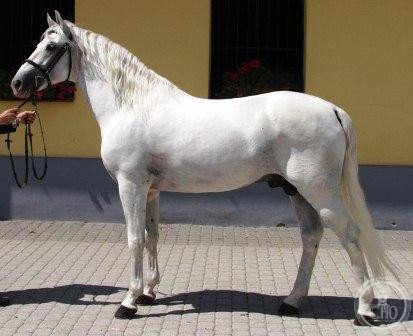
A Habsburg tradition of selective breeding and classical horsemanship, sustained across eight European nations for nearly five centuries, the Lipizzan represents the living art of haute école dressage and the resilience of cultural practice through war and displacement.
In UNESCO’s words
Lipizzan horse breeding traditions were initially used to breed horses for the Habsburg imperial court in Vienna, but today the Lipizzan horse plays a special role in the everyday cultural and social life of communities in rural areas. They are included in events, celebrations and festivities such as horse blessings, carnival processions and parades. The horses also play a key role in therapeutic riding and sustainable tourism. The people who work at the state stud farms represent the main bearers of the element, along with therapists, craftspeople, groups of equestrian sports, military traditionalists, local communities and farm visitors. The values, knowledge, skills and practices are transmitted through hands-on experience, seminars and training sessions, as well as during festive and sporting events. The practice is also part of the curricula of certain local primary schools and of all agricultural and vocational schools and agricultural and veterinary universities. Lipizzan horse breeding has united communities for over 450 years, generating a strong sense of shared identity, including through its specialized vocabulary and the close emotional connection between breeders and horses.
Official description, UNESCO Intangible Cultural Heritage List — Lipizzan horse breeding traditions
At a glance
Lipizzan horse breeding is the knowledge and practice of raising horses that play a special role in the everyday cultural and social life of rural communities. The horses participate in events such as horse blessings, carnival processions, and parades. They are also used in therapeutic riding and sustainable tourism. The practice unites breeders, therapists, craftspeople, equestrian groups, military traditionalists, and local communities around a shared tradition that has lasted over 450 years.
Origins & history
Lipizzan horse breeding began as a practice to breed horses for the Habsburg imperial court in Vienna. The tradition has been maintained and transmitted through hands-on experience, seminars, and training sessions across generations. It is taught in certain local primary schools and in all agricultural and vocational schools and agricultural and veterinary universities, ensuring that knowledge and skills pass to new practitioners.
The practice
State stud farms represent the main centers where breeding knowledge and practice are carried out, alongside work by therapists, craftspeople, and equestrian groups. The values, knowledge, and skills are transmitted through hands-on experience and training sessions. Knowledge is also shared during festive and sporting events where communities gather around the horses. People of various backgrounds—farm workers, military traditionalists, and visiting community members—participate in and learn from the living tradition.
Cultural significance
Lipizzan horse breeding has united communities for over 450 years, generating a strong sense of shared identity through specialized vocabulary and the close emotional connection between breeders and horses. The practice matters to the communities that maintain it as a cornerstone of their cultural and social life. The tradition depends on transmission through multiple channels including education, practical training, and community participation to survive and remain meaningful.
Key facts
- Country: Austria, Bosnia and Herzegovina, Croatia, Hungary, Italy, Romania, Slovakia, Slovenia
- Inscribed: 2022
- UNESCO list: Representative List of the Intangible Cultural Heritage of Humanity
- UNESCO reference: 01687
- UNESCO vocabulary: Horse riding; Know-how transfer
- Map: not shown — UNESCO’s official description of this element names no locality, and a living tradition is practised across a community, not at one address.
Where to experience it
Lipizzan horse breeding traditions thrive across rural communities and state stud farms where breeders work daily with these horses. Visitors can witness the practice firsthand at breeding centers and observe horses in therapeutic riding programs, festive parades, and sporting events throughout the regions where they are raised. The Spanish Riding School in Vienna presents the refined classical dressage that represents the pinnacle of Lipizzan training. Agricultural schools and veterinary universities teach the knowledge and skills to new generations, while local primary schools include the horses in their curricula. Communities celebrate the tradition through horse blessings, carnival processions, and other festivities that unite breeders, riders, and families.
Sources & resources
- UNESCO — official element page: Lipizzan horse breeding traditions
- UNESCO — open data record: Intangible Heritage List, reference 01687
- UNESCO — official video: UNESCO film on this element — embedded on this page
- UNESCO — official photograph: Carnival Riding, Štitar, Croatia — Dražen Bpota, 2018
- Reference — Wikipedia (secondary): Lipizzan — consulted as a secondary reference, not as confirmation
- Cultural Heritage Online: Our archive and city guides

Sources
- S1 — Handler, Alois. The Spanish Riding School Vienna. Molden Edition, 1972. ISBN 978-3-217-00438-2.
- S2 — Podhajsky, Alois. The Lipizzaners. Doubleday, 1969. ISBN 978-0-385-05527-7.
Spotted an error? Write to editorial@culturalheritageonline.com and we correct it the same day.