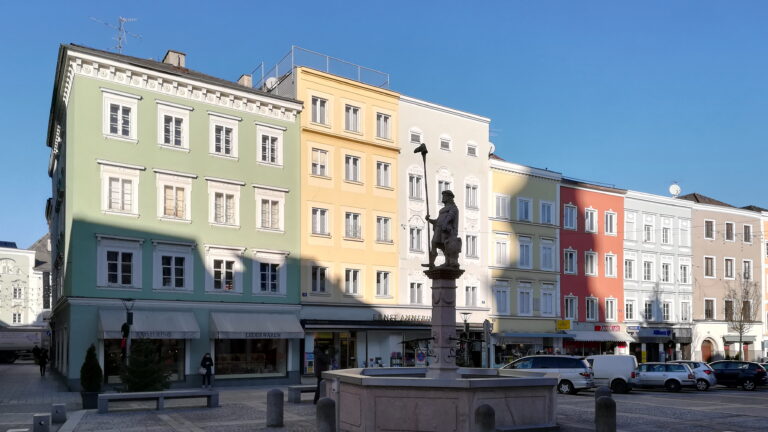
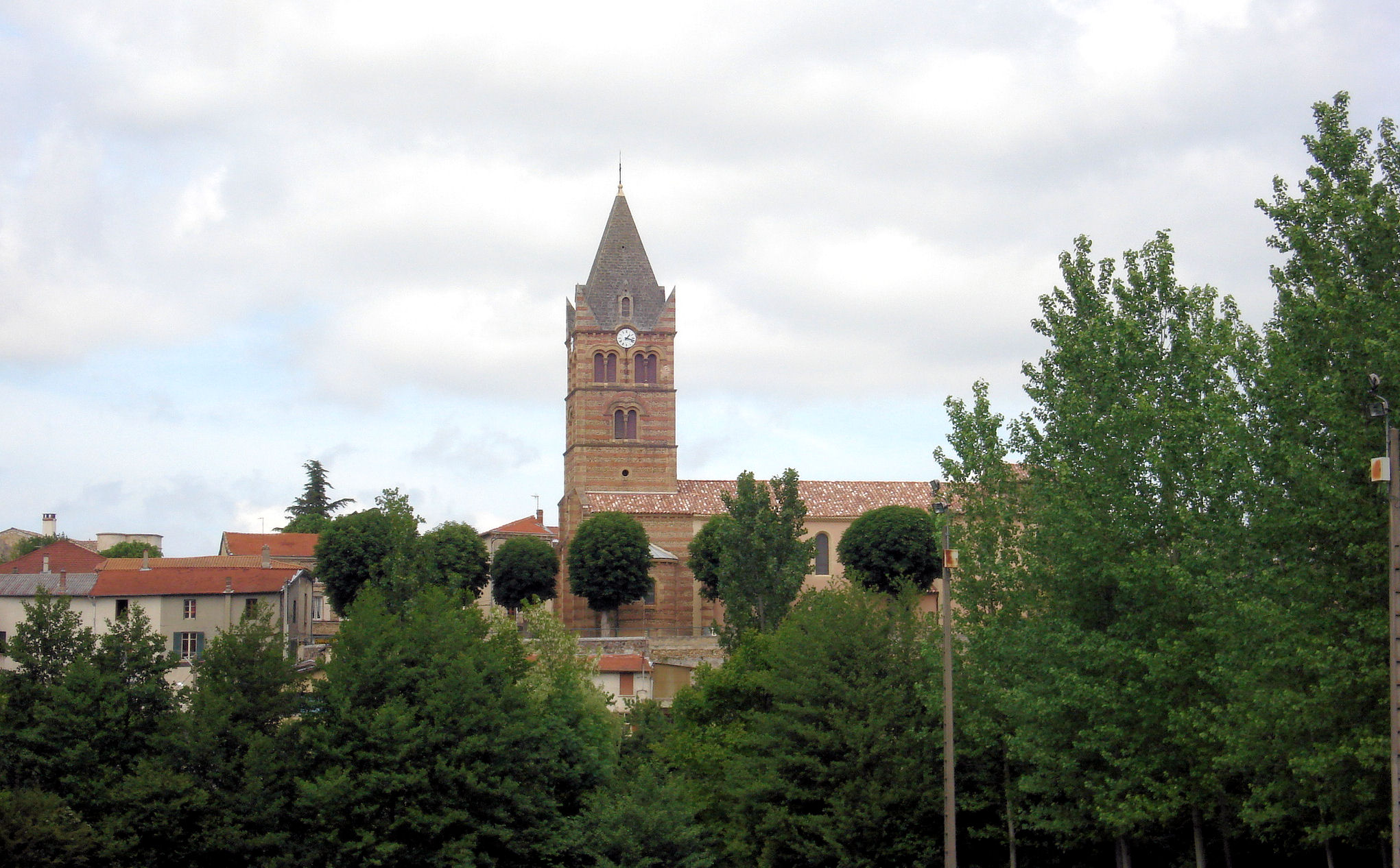
In 1930, in the rural Drôme commune of Anneyron, three tanner and saddler brothers—Victor, Alfred, and Gabriel Lafuma—joined forces to establish Lafuma. Initially crafting canvas mailbags and hunting accessories, the brothers engineered a historic breakthrough in 1936: the first backpack with an integrated metal tube frame, liberating mountaineers and hikers from punishing loads and establishing the foundation of French outdoor exploration and Alpine heritage.
The Saddle-Makers of Anneyron: The External Frame Invention
Master saddlers Victor, Alfred, and Gabriel Lafuma possessed deep generational mastery of heavy linen canvas, saddle stitch leather, and metal buckles. In 1930, seeing the rapid mechanization of agriculture that was reducing demand for traditional horse harnessry, they established their independent workshop in Anneyron to fabricate durable bags for utility couriers and foresters.
In 1936, coinciding with the historic introduction of paid annual leave (*congés payés*) by the French Popular Front that sent millions of workers hiking into the Alps, Lafuma unveiled its legendary invention: the external metal tube frame backpack (*sac à dos à armature métallique*). By transferring pack weight directly from the fragile shoulders and spine onto the hips, the Lafuma frame backpack fundamentally transformed mountaineering, adopted on legendary expeditions in the French Alps and the Himalayas.
From Himalayan Summits to Camping Furniture Icons
In 1950, when French mountaineers Maurice Herzog and Louis Lachenal achieved the historic first ascent of an 8,000-meter peak on Annapurna, their high-altitude equipment was carried in custom-designed Lafuma backpacks. In 1954, drawing on their mastery of lightweight steel tubing and weather-resistant canvas, Lafuma diversified into foldable camping furniture, creating the classic “relax” lounge armchair that became a global icon of French holiday living.
Operating continuously from its historical production center in Anneyron, Lafuma remains an enduring pillar of French alpine savoir-faire. As it approaches its centenary in 2030, the brand continues to champion eco-designed outdoor gear, preserving the pioneering mountain spirit born in the Drôme valleys.
Sulle Alpi: guide alpine, rocciatori e scalate d'epoca
Immagini d'archivio storico dell'Istituto Luce che testimoniano l'audacia dei pionieri dell'alpinismo, la vita sulle cime alpine e la nascita delle prime grandi attrezzature sportive. (Fonte: Archivio Storico Istituto Luce Cinecittà)
Interactive 360° Heritage View: Espace Patrimoine Lafuma & Historical Atelier in Anneyron
Historical Location: 6 Rue Victor Lafuma, 26140 Anneyron, Drôme, France (Coordinates: 45.2708, 4.8872)
Sources
- S1 — Lafuma, Philippe. L'esprit pionnier: Histoire de la famille Lafuma. Éditions Glénat, 2010. ISBN 978-2-7234-7812-0.
- S2 — Ballu, Yves. Les alpinistes: De la découverte des Alpes à nos jours. Glénat, 1997. ISBN 978-2-7234-2450-9.
Spotted an error? Write to editorial@culturalheritageonline.com and we correct it the same day.