
Each summer, farmers and herdsmen drive cattle from Alpine valleys to high mountain pastures, following a seasonal rhythm that has sculpted the landscape for centuries. This ancient migration—known as transhumance—remains a living practice across six European nations.
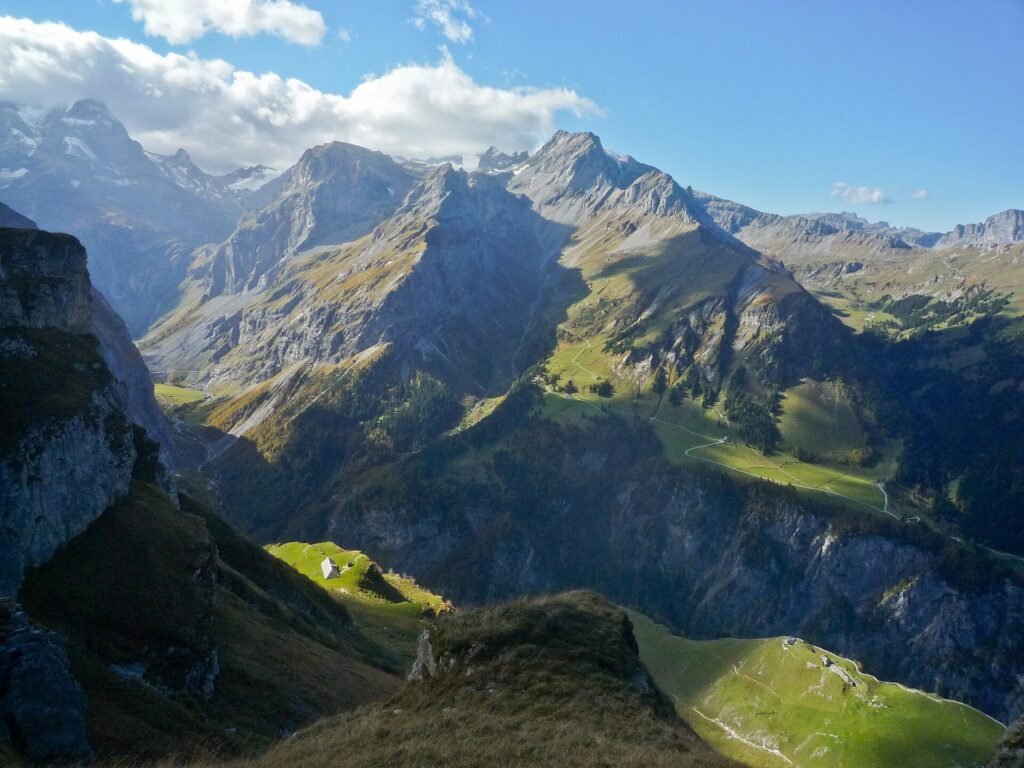
In UNESCO’s words
In Switzerland, alpine pasture season refers to the period between May and October, when cattle, sheep and goats are driven to high-altitude pastures to take advantage of the extra forage. During this time, alpine farmers of all genders care for the animals, maintain the pastures, fences and buildings, process the milk into cheese and other products, and welcome visitors. The practice contributes to the preservation of natural landscapes and creates economic and social ties between the local populations and the alpine farmers. It has given rise to the knowledge and skills needed to maintain the sites, as well as to a variety of social and religious practices such as rituals, prayers and blessings, traditional clothing, livestock competitions and local festivities. The knowledge, skills, and customs of the alpine pasture season, including farming and cheesemaking, are often transmitted informally, within families and their seasonal employees or among members of alpine societies and cooperatives. They are also transmitted through regional training centres, cultural events and tourism. The alpine pasture season is a shared socio-cultural experience that unites farmers, villagers and the wider population. It is a strong identifying factor that features prominently in Swiss literature, music and visual and performing arts.
Official description, UNESCO Intangible Cultural Heritage List — Alpine pasture season
At a glance
Alpine pasture season in Switzerland is the practice of moving cattle, sheep and goats to high-altitude pastures between May and October, when extra forage becomes available. Alpine farmers of all genders care for the animals during this period, maintain the pastures and buildings, make cheese and other products from the milk, and receive visitors. The practice creates economic and social connections between local people and alpine farmers, and has inspired a range of rituals, prayers, traditional clothing, livestock competitions and local festivities.
Origins & history
The knowledge and skills of alpine pasture season have developed over time as farmers adapted to mountain geography. These practices, including farming and cheesemaking techniques, are often passed down informally within families and among seasonal workers, or through alpine societies and cooperatives. Knowledge is also shared via regional training centres, cultural events and tourism. The tradition has become a strong identifying factor for Swiss culture, appearing prominently in the country's literature, music and visual and performing arts.
The practice
During the season, farmers and their employees move livestock to high pastures and manage their care. The work includes maintaining fences and buildings on the alpine sites. Milk is processed into cheese and other products on-site. Farmers welcome visitors to the pastures. The practice requires knowledge of animal welfare, pasture maintenance and the skills needed to sustain the sites over the seasonal cycle.
Cultural significance
Alpine pasture season preserves natural landscapes and prevents their abandonment. It sustains rural livelihoods and strengthens social bonds across generations—farmers, villagers and the wider population share in this experience as a defining part of their cultural identity. The tradition faces ongoing pressure as younger generations may not continue the knowledge and customs, threatening both the practices themselves and the landscapes they maintain.
Key facts
- Country: Switzerland
- Inscribed: 2023
- UNESCO list: Representative List of the Intangible Cultural Heritage of Humanity
- UNESCO reference: 01966
- UNESCO vocabulary: Labour migration
- Map: not shown — UNESCO’s official description of this element names no locality, and a living tradition is practised across a community, not at one address.
- Related World Heritage site: Swiss Alps Jungfrau-Aletsch, Swiss Tectonic Arena Sardona, Monte San Giorgio (a different UNESCO designation, not the place of the tradition)
Where to experience it
Where to experience it Across Switzerland's Alpine regions, the seasonal practice unfolds between May and October as cattle, sheep and goats move to high-altitude pastures. Visitors can observe herds grazing in Alpine meadows during summer months, witness the work of alpine farmers tending animals and maintaining pastures, and see the traditional cheesemaking that transforms milk into local products. Alpine societies and cooperatives often welcome visitors during this period, and cultural events and regional festivities celebrate the practices, skills and customs that have defined this way of life for generations.
Sources & resources
- UNESCO — official element page: Alpine pasture season
- UNESCO — open data record: Intangible Heritage List, reference 01966
- UNESCO — official video: UNESCO film on this element — embedded on this page
- UNESCO — official photograph: Photograph of this element — Daniel Schoenen — Daniel Schoenen/image BROKE, 2011
- Reference — Wikipedia (secondary): Alpine transhumance — consulted as a secondary reference, not as confirmation
- Cultural Heritage Online: Our archive and city guides

Sources
- S1 — Viazzo, Pier Paolo. Upland Communities: Environment, Population and Social Structure in the Alps. Cambridge University Press, 1989. ISBN 978-0-521-30663-8.
- S2 — Braudel, Fernand. The Mediterranean and the Mediterranean World in the Age of Philip II. Harper & Row, 1972. ISBN 978-0-06-090566-8.
Spotted an error? Write to editorial@culturalheritageonline.com and we correct it the same day.