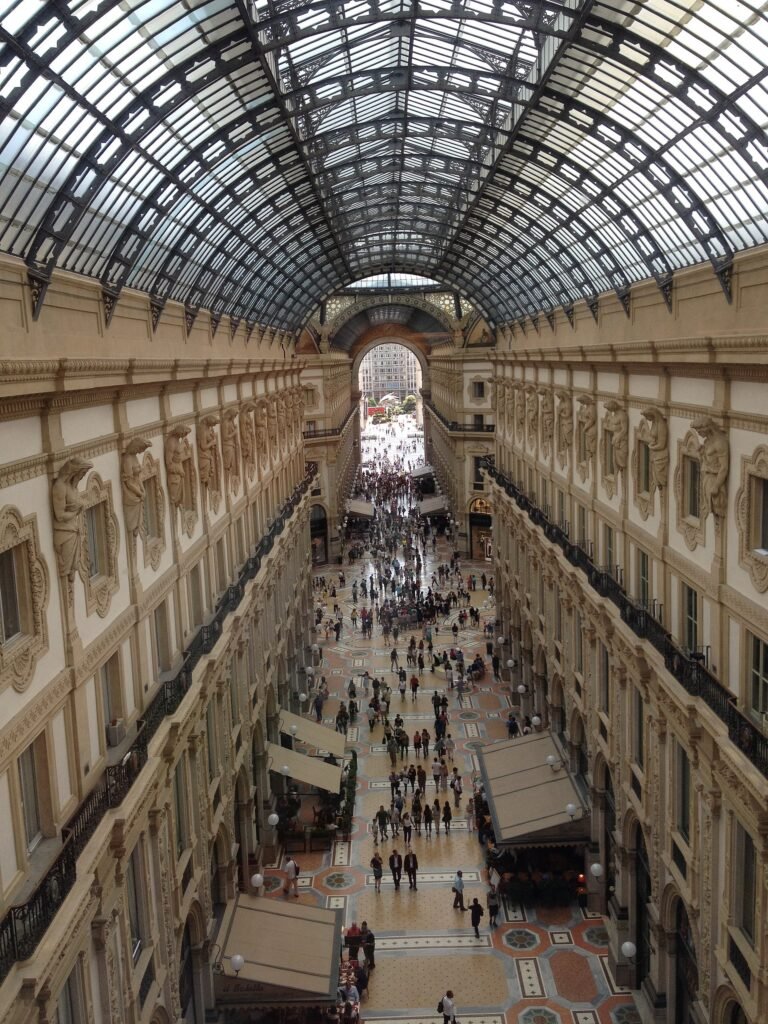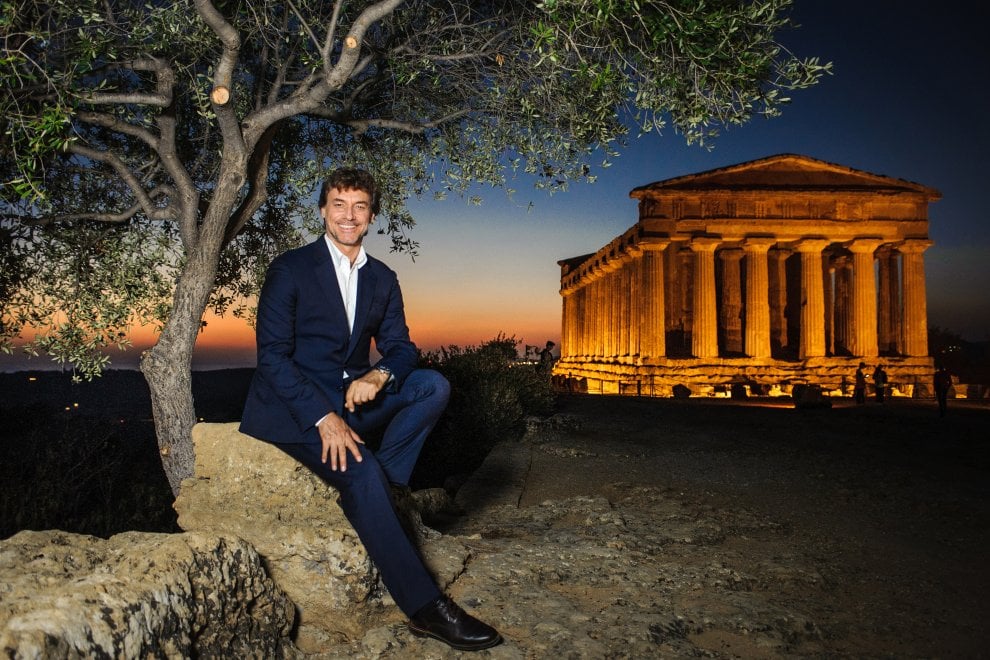
Presented in December 2019, Alberto Angela’s television programme and accompanying book “Meraviglie. Alla scoperta della penisola dei tesori” (Wonders: Discovering the Peninsula of Treasures) documented the cultural and natural heritage sites across Italy, from the Alpine peaks to the Valley of the Temples in Sicily.
The programme and publication surveyed the breadth of Italian achievement across centuries. Featured landmarks included Leonardo’s Last Supper in Milan, the nuraghi stone structures of Sardinia, Roman ruins, Baroque churches, Renaissance works from Florence, and Venetian architecture from the eighteenth century. Angela observed that no single century in Italian history lacks extraordinary artistic or architectural creation.
UNESCO Recognition
Italy holds fifty-five UNESCO World Heritage sites, a concentration unmatched by any other country relative to its territorial size. These designations represent the nation’s shared history, cultural diversity, and the relationship between human civilization and the natural environment. According to the book’s framing, these sites embody the identity, soul, and memory of the populations and territories that produced them.
Cultural Responsibility
The publication emphasized that Italian cultural heritage constitutes the nation’s fundamental identity. It argued that the preservation of these sites reflects universal values of beauty and curiosity, and that protecting them represents both a duty and responsibility to future generations.
On video
Frequently asked questions
How many UNESCO World Heritage sites does Italy have?
Italy has fifty-five UNESCO World Heritage sites, the highest concentration of any country relative to its size.
What were the main regions covered by the programme?
The series covered sites from the Alpine region in the north through Sicily in the south, including locations such as Milan, Florence, Venice, and Sardinia.
What was the purpose of the accompanying book?
The book provided a journey through space and time documenting Italian cultural wonders and emphasizing the importance of preserving these sites as expressions of national identity and universal human achievement.
Sources
- S1 — Settis, Salvatore. Italia S.p.A.. L'assalto al patrimonio culturale. Einaudi, 2002. ISBN 978-88-06-16973-2.
- S2 — Solima, Ludovico. Management museale: Teoria e pratica per la gestione del museo. Carocci, 2018. ISBN 978-88-430-9366-3.
Spotted an error? Write to editorial@culturalheritageonline.com and we correct it the same day.