
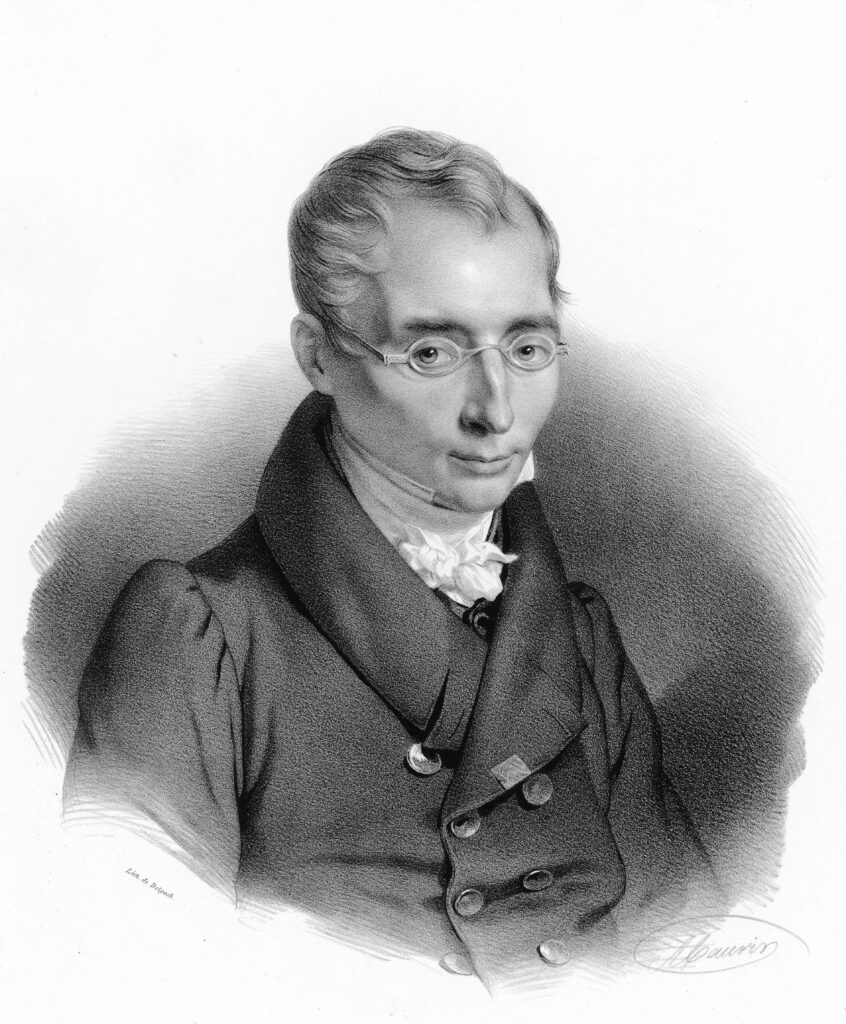
Birth Anniversary: Louis Joseph Ferdinand Herold — January 28, 1791
Born at Parigi on 28 January 1791. A distinguished figure in classical music, renowned for his significant contributions to European

Stefano Vigolo photographs and documents Italian architecture of the interwar decades — the years known in Italy as the Ventennio — from Rationalism and Art Déco to the buildings that fall between the guidebooks. He is a researcher of the period.
Contributions: 750 articles · 152 heritage places · 1,871 events · 12 itineraries · 539 photographs
Published on beniculturalionline.it, the Italian archive of this publication, online since 1998. They are being brought into Cultural Heritage Online.
Born at Parigi on 28 January 1791. A distinguished figure in classical music, renowned for his significant contributions to European
Passed away in Neuilly-sur-Seine on 19 January 1833. Remembered for his lasting musical legacy, his works remain preserved in historical
Born at Vannes on 4 December 1785. A distinguished figure in classical music, renowned for his significant contributions to European

Born at Colmar on 3 March 1786. A distinguished figure in classical music, renowned for his significant contributions to European
Passed away in Parigi on 16 September 1820. Remembered for his lasting musical legacy, his works remain preserved in historical
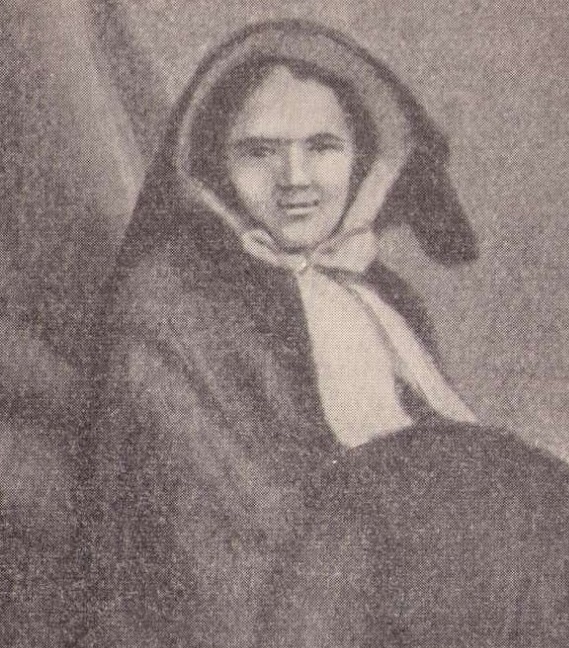
Born at Vienna on 30 October 1789. A distinguished figure in classical music, renowned for his significant contributions to European
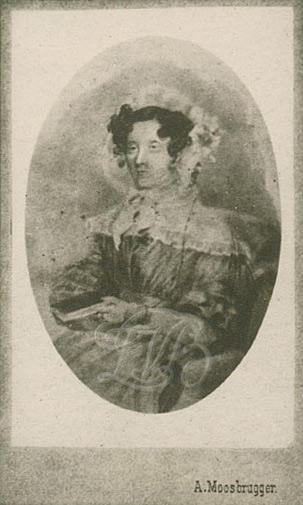
Passed away in Zákupy on 12 August 1858. Remembered for his lasting musical legacy, his works remain preserved in historical

Born at Parigi on 19 April 1785. A distinguished figure in classical music, renowned for his significant contributions to European
Passed away in Parigi on 27 December 1858. Remembered for his lasting musical legacy, his works remain preserved in historical
Born at Lambeth on 25 September 1785. A distinguished figure in classical music, renowned for his significant contributions to European