
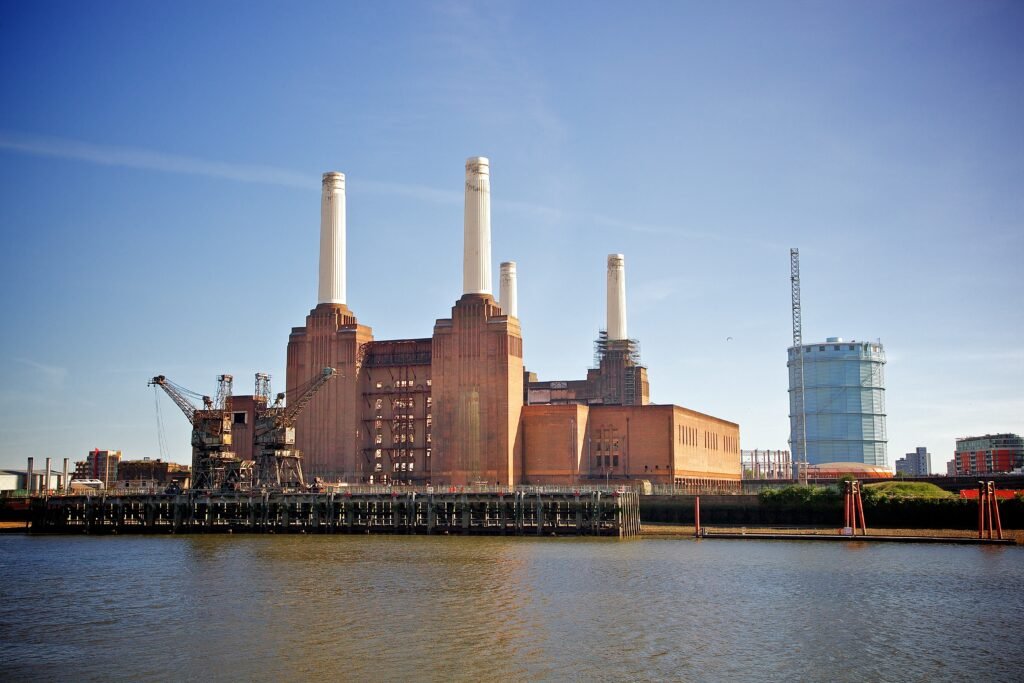
Adaptive Reuse of Historic Buildings: Key Principles
Adaptive reuse gives a historic building a new function while keeping its character. Why it matters for heritage and regeneration, with landmark examples.

Adaptive reuse gives a historic building a new function while keeping its character. Why it matters for heritage and regeneration, with landmark examples.
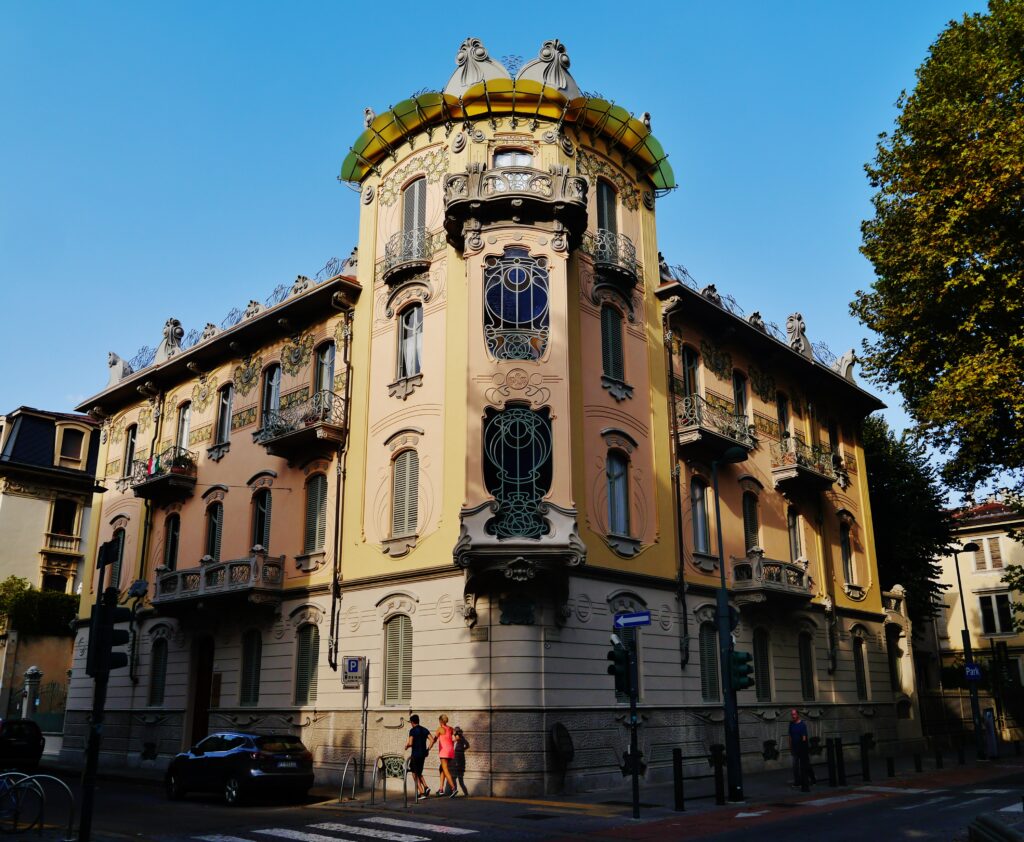
The best Art Nouveau (Liberty) architecture in Italy: Milan, Turin, Palermo, and Rome. Where to look city by city, with sourced cards, GPS, and an interactive map.
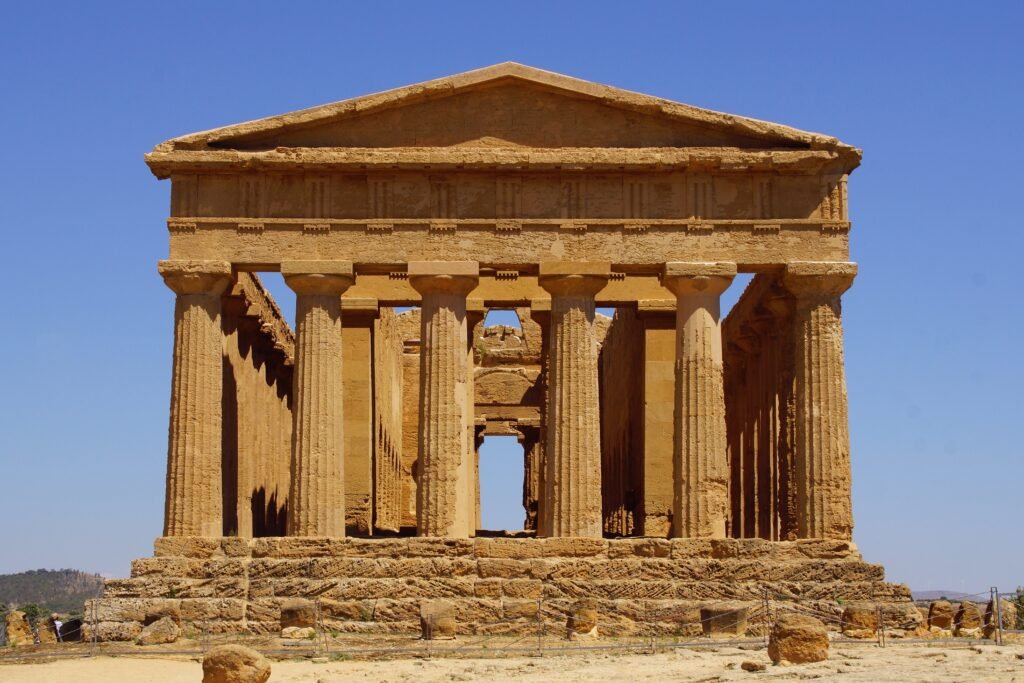
Design a cultural itinerary for tour groups: build around a theme, anchor stops to verified GPS and history, sequence by geography, carry it offline as GPX or KML.
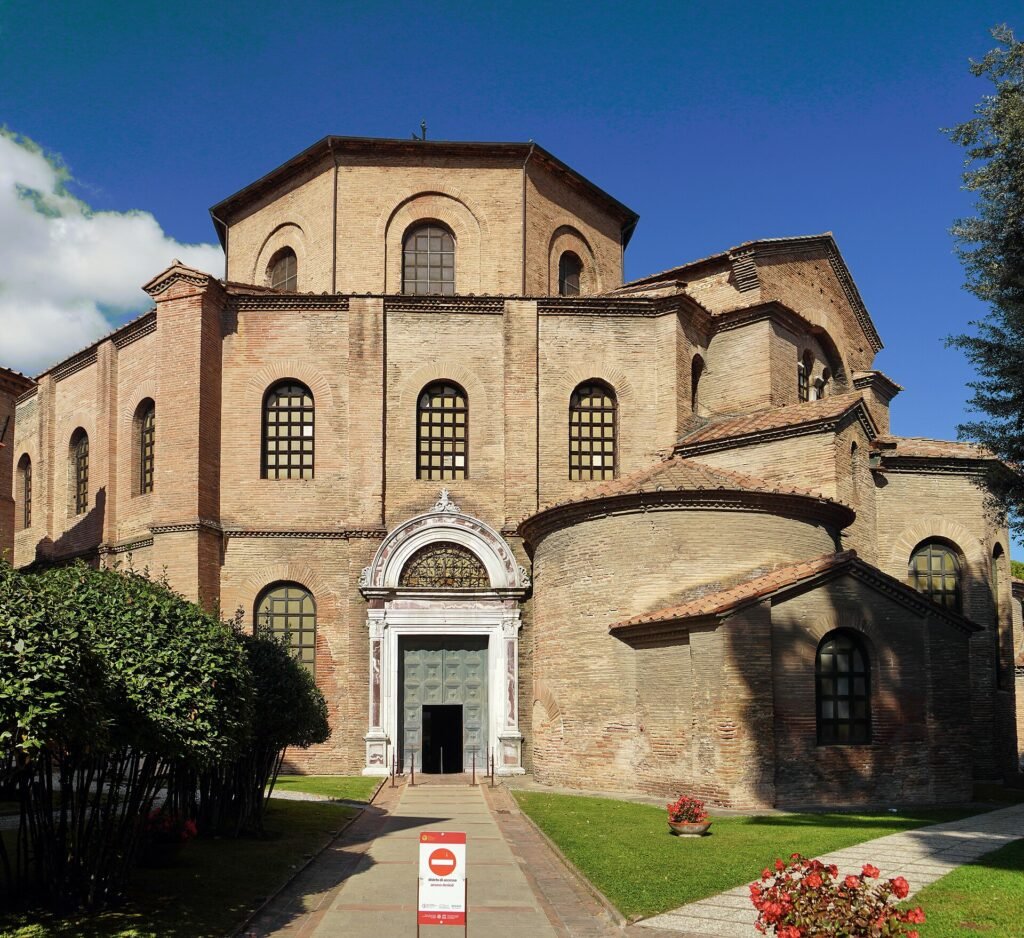
Tangible heritage is the material things a culture inherits; intangible heritage is its living practices. The difference, the UNESCO conventions, and why it matters.

A century after Gaudí’s death, the Tower of Jesus Christ tops out at 172.5 metres and Pope Leo XIV blesses the completed basilica — what is finished, what remains, and how to visit in 2026.
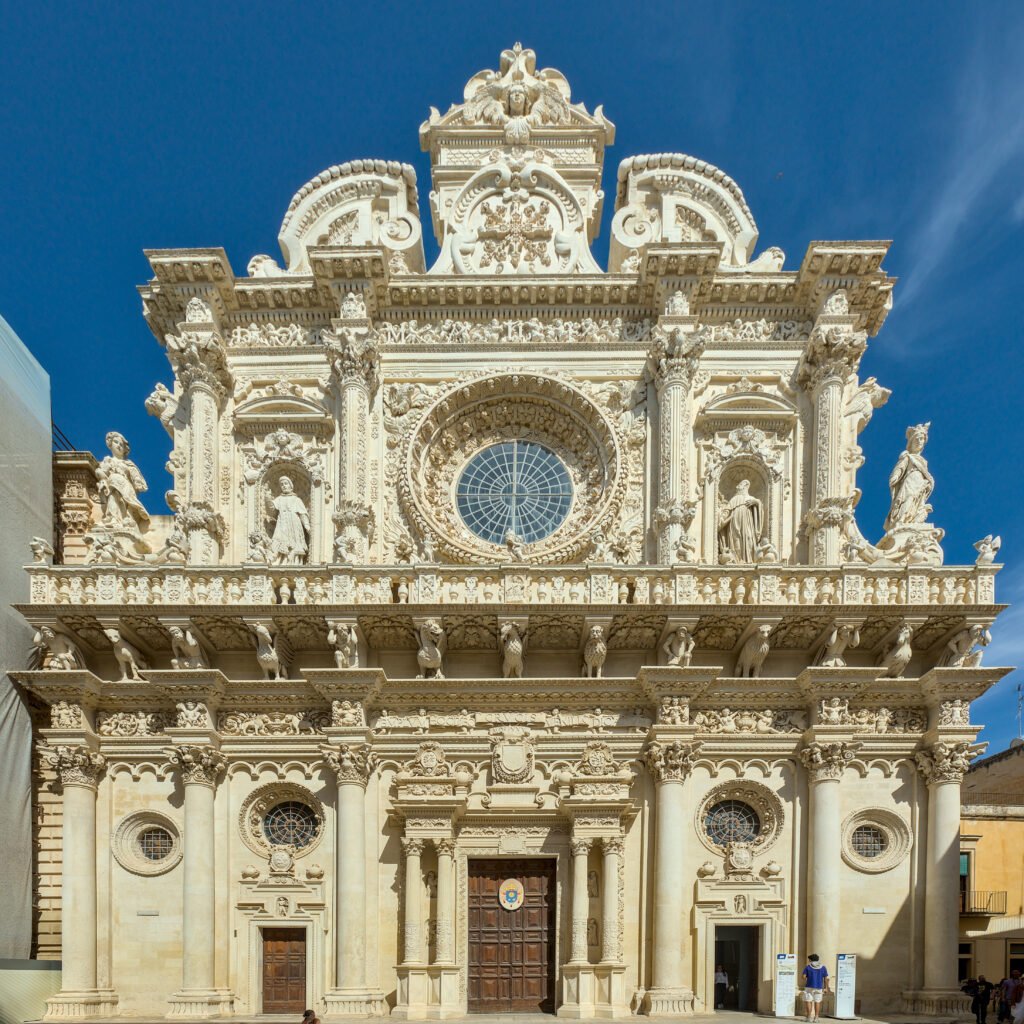
A cultural heritage partnership pools content, audience, and credibility between an institution and a platform to promote a place together. The forms explained.
Hagia Sophia, the Blue Mosque, Topkapi Palace, Ephesus, Pamukkale: the Ottoman Heritage Trail connects two millennia of layered civilisation from Istanbul to the Aegean. A guide to one of the world’s most architecture-dense corridors.
Bagan, Sukhothai, Angkor, Borobudur: four UNESCO-listed Buddhist monuments across four countries trace the eastward and southward expansion of one of the world’s great architectural traditions. A field guide to following the route.
From the Giza plateau to the rock-hewn churches of Lalibela, the Nile corridor holds more UNESCO-listed heritage sites per kilometre than almost any other route on earth. A guide to following it south.
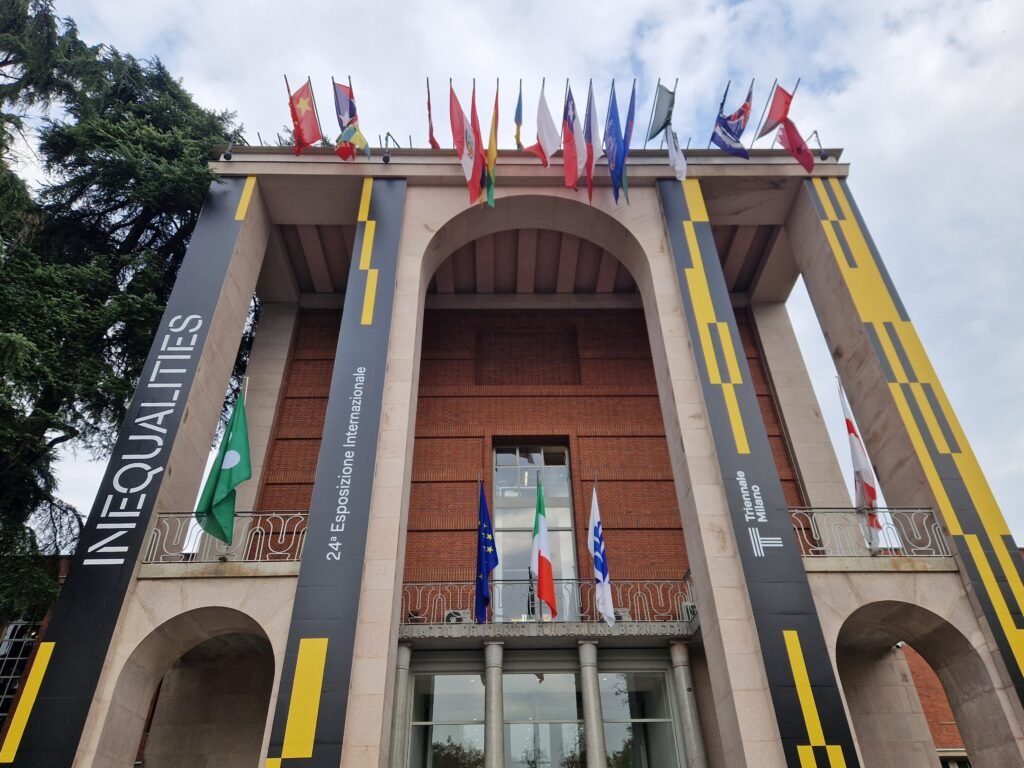
A cultural institution grows online by making its collection findable and credible: accurate pages, structured data, and presence on platforms people and AI trust.