Pioneering reinforced concrete construction, coastal naval works, and national public infrastructure born in Novara.
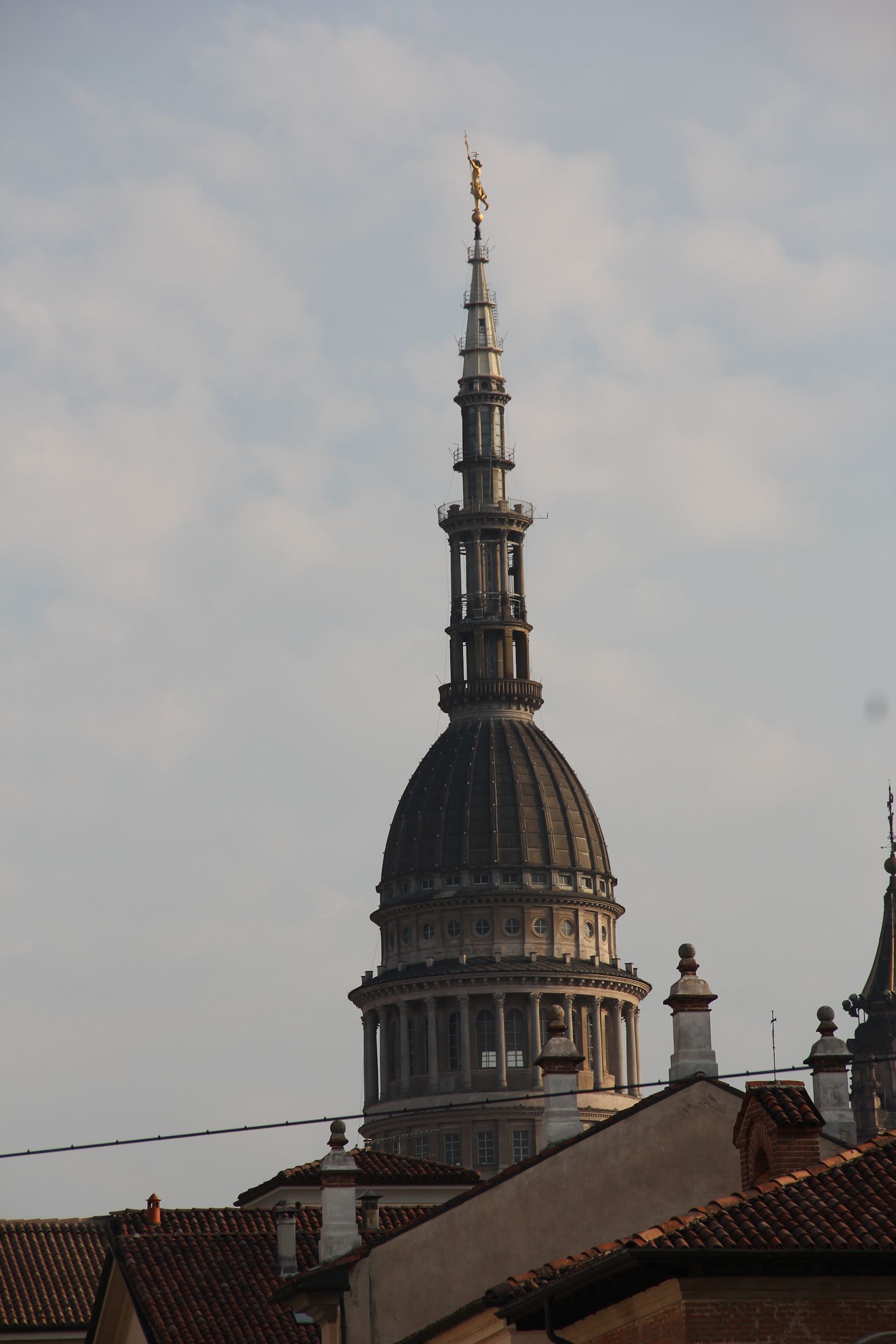
The early twentieth century marked a revolutionary transformation in Italian construction technology, driven by the emergence of reinforced concrete. Founded in 1913 by civil engineer Antonio Garboli in the vibrant industrial hub of Novara, the enterprise quickly rose to national prominence as a pioneer in complex structural engineering. While conventional masonry had long dominated Italian architectural practice, Antonio Garboli mastered modern Hennebique structural principles, deploying reinforced concrete to solve extreme engineering challenges across marine ports, national defense fortifications, and major municipal public works.
Maritime Ports, Breakwaters, and Strategic National Works
During the First World War and subsequent interwar decades, Garboli specialized in large-scale maritime construction. The firm designed and cast monolithic concrete caissons, constructed deepwater harbor piers, and erected storm-resistant breakwaters across major Tyrrhenian and Adriatic naval ports. Utilizing innovative hydraulic cements resistant to saltwater erosion, Garboli demonstrated how reinforced concrete could safeguard strategic maritime communications. Beyond coastal harbors, the company built soaring aqueduct viaducts, industrial factories, and heavy railway overpasses across northern and central Italy.
State Integration and Heritage Infrastructure Modernization
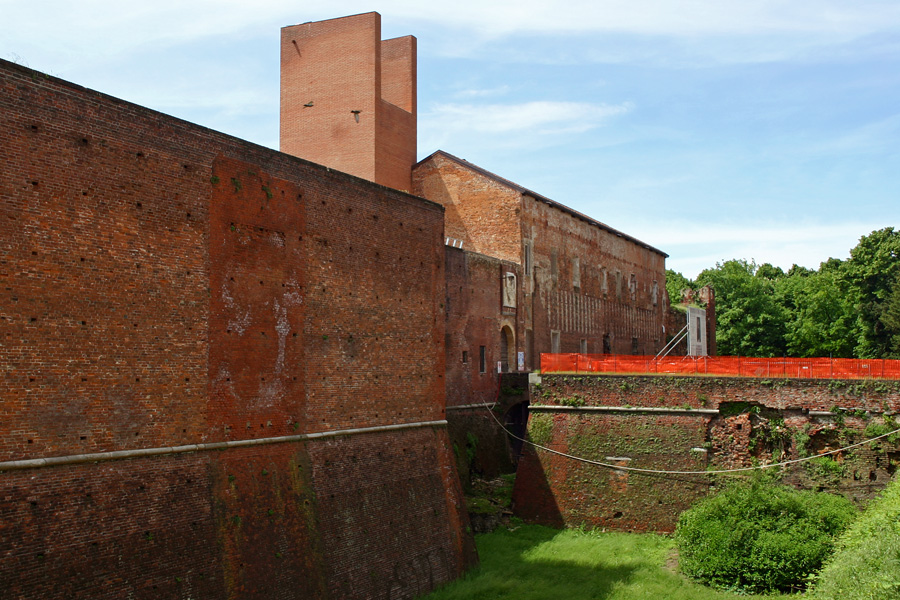
In 1969, recognizing its strategic engineering capabilities, the Italian state integrated Garboli into the IRI-Italstat group. A decade later, it was united with Rep (Raggruppamento per l’Edilizia e Prefabbricazione) to form Garboli Rep under the subsequent management of Iritecna. Throughout the late twentieth century, Garboli Rep directed immense civil engineering programs, constructing major hospital complexes, educational facilities, and executing seismic consolidation on historic city centers across the peninsula.
Privatized in 1998 through its acquisition by Con.I.Cos. SpA, Garboli Rep embodies more than a century of Italian engineering innovation. From its foundational workshops in Novara to monumental coastal and civic infrastructure, its reinforced concrete achievements remain foundational pillars of modern Italy.
Historic Site & Location
Historic Address: Piazza Martiri della Libertà, 28100 Novara NO, Italy
Nearby in the archive
- Novara — city guide — the city around it
Sources
- S1 — Archivio Storico IRI-Italstat / Iritecna, Fondo Imprese Costruzioni e Cemento Armato — https://www.fondazioneiri.it/
- S2 — Camera di Commercio di Novara, Registro Storico Imprese di Costruzione e Opere Pubbliche — https://www.no.camcom.gov.it/
- S3 — Ministero delle Infrastrutture e dei Trasporti, Bollettino Opere Marittime e Difesa — https://www.mit.gov.it/
Spotted an error? Write to editorial@culturalheritageonline.com and we correct it the same day.