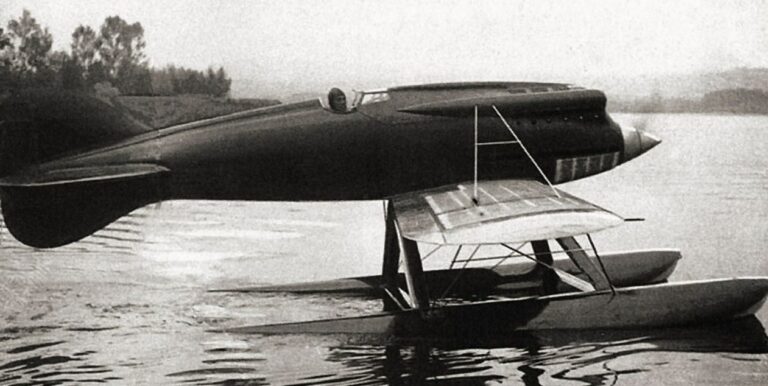
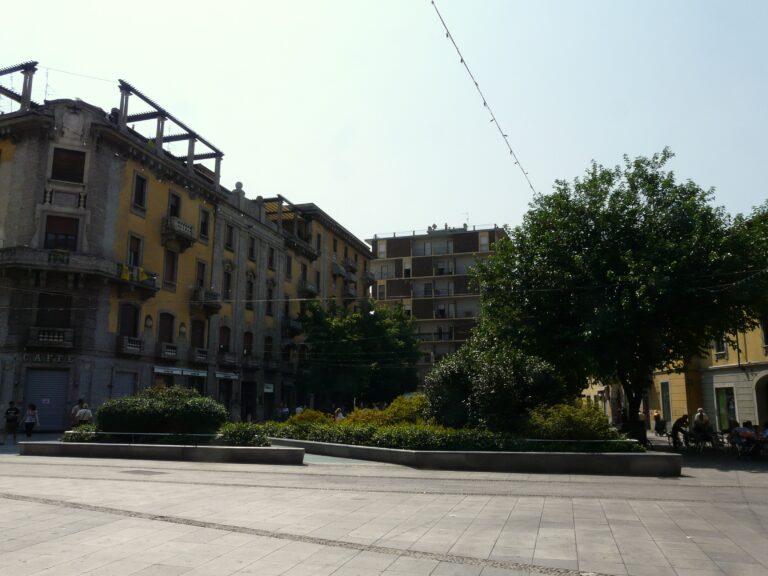
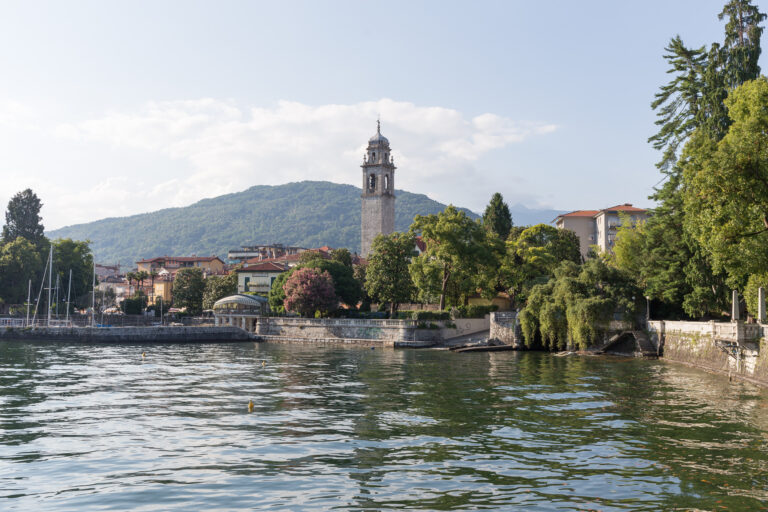
Mario Caserini’s studio along the Po river, Ma l’amor mio non muore, and early silent cinema melodrama.

Established in Turin in 1913 by master filmmaker Mario Caserini alongside aristocratic investors, Gloria Film emerged during the height of the Piedmontese silent screen boom to produce ambitious cinematic melodramas that enchanted international audiences.
Lyda Borelli and the Masterpiece Ma l’amor mio non muore!
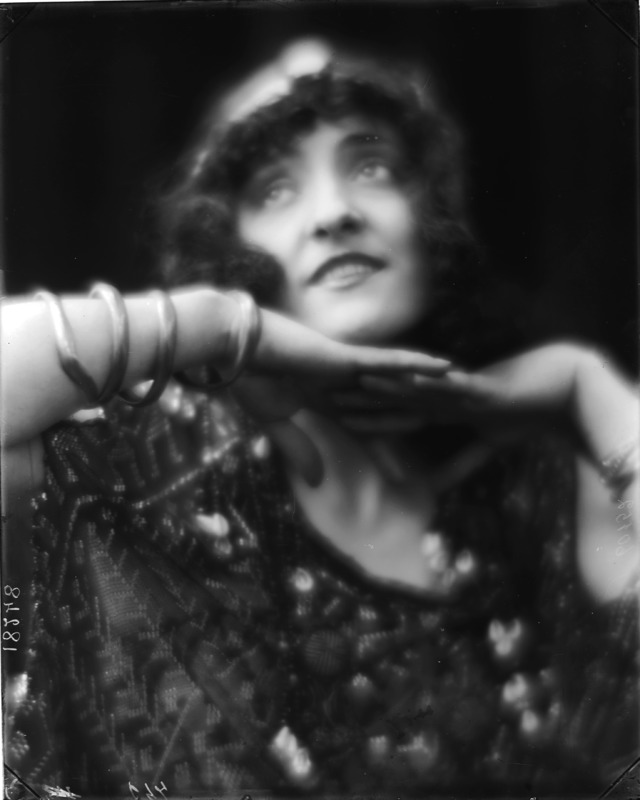
In 1913, Gloria Film released *Ma l’amor mio non muore!* (Love Everlasting), starring stage sensation Lyda Borelli. The film became a cultural sensation across Europe and the Americas, defining the aesthetic phenomenon of the Italian screen *diva*. Borelli’s serpentine gestures, tragic gaze, and expressive bodily poses established a visual grammar heavily influenced by Liberty Art Nouveau, prompting countless young women to emulate her hairstyle and dramatic cadence in the social craze known as *borellismo*.
Glass Soundstages Along the River Po and Wartime Decline
Gloria Film constructed expansive glass-roofed studios and chemical development laboratories along Borgo Po in Turin, utilizing the reflective northern river light and aristocratic Piedmontese villa gardens as natural exterior sets. The studio attracted top screen talent, including actor-director Mario Bonnard. However, the eruption of the First World War in 1915 created an acute shortage of unexposed film reels and shuttered key European export markets, leading to the liquidation of the enterprise in 1916.
Today, restored nitrate reels of Gloria Film productions are preserved by the Museo Nazionale del Cinema at the Mole Antonelliana in Turin, celebrated as seminal milestones in the foundation of modern film acting and cinematic melodrama.
Historic Site & Location
Historic Address: Corso Moncalieri / Borgo Po, 10133 Torino, TO, Italy
Sources
- S1 — Museo Nazionale del Cinema, Archivio Storico e Collezione Cinema Muto, Torino — https://www.museocinema.it/
- S2 — Cineteca di Bologna, Catalogo del Cinema Muto Italiano, Fondo Gloria Film — https://www.cinetecadibologna.it/
- S3 — Ministero della Cultura, Direzione Generale Cinema e Audiovisivo — https://cinema.cultura.gov.it/
Spotted an error? Write to the editors and we correct it the same day.