Formed on 18 September 1930 by merging the shipyards of Trieste and Monfalcone, CRDA built the legendary ocean liner SS Rex and turned the northern Adriatic into a world capital of naval architecture.
On 18 September 1930, in the shadow of the worldwide maritime trade collapse, the two greatest shipbuilding entities of the Venezia Giulia coast finalized a historic consolidation. The Stabilimento Tecnico Triestino (which operated the historic San Marco shipyard in Trieste) and the Cantiere Navale Triestino in Monfalcone (established in 1908 by the Cosulich shipping dynasty) joined into a single industrial powerhouse: the Cantieri Riuniti dell’Adriatico (CRDA).
The geopolitical stakes were intense. Following the dissolution of the Austro-Hungarian Empire in 1918, Trieste had lost its vast imperial hinterland, and its heavy maritime yards were struggling for survival. By combining the slips, dry-docks, engine works, and technical drawing offices of Trieste, Monfalcone, and Muggia, CRDA created the largest and most technically advanced shipbuilding complex in the Mediterranean, capable of building anything from diesel submarines and seaplanes to luxury ocean liners.
The creation of the Blue Riband winner
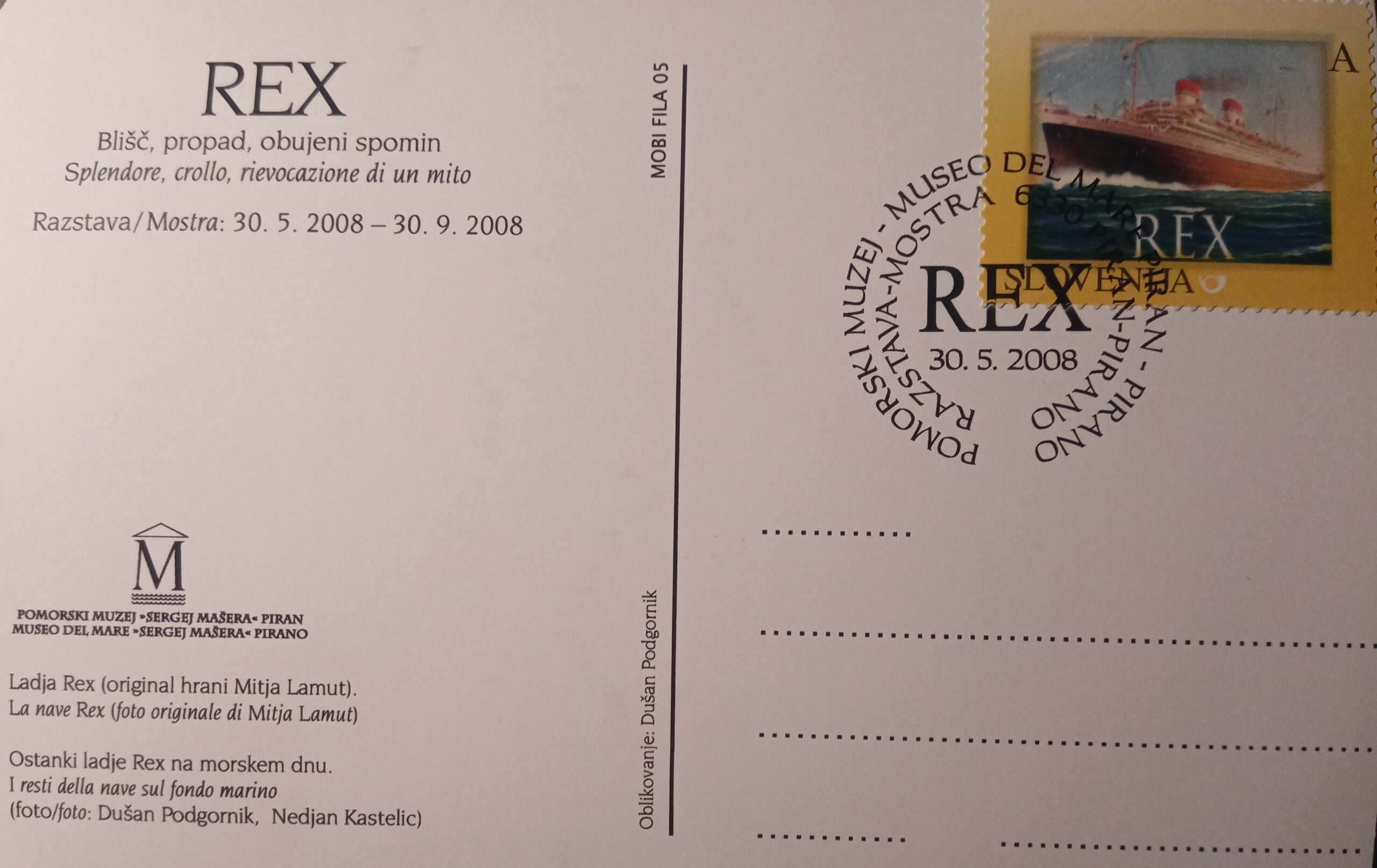
Immediately after incorporation, CRDA undertook the most ambitious commercial marine project in Italian history: the construction of the SS Rex. Laid down on the San Marco slipways in Trieste, the Rex was a 51,000-tonne leviathan designed by naval engineer Achille Lauro. Measuring 268 metres in length, with turbo-geared turbines generating 140,000 horsepower, the vessel was launched on 1 August 1931 before a crowd of fifty thousand spectators lining the shores of the gulf.
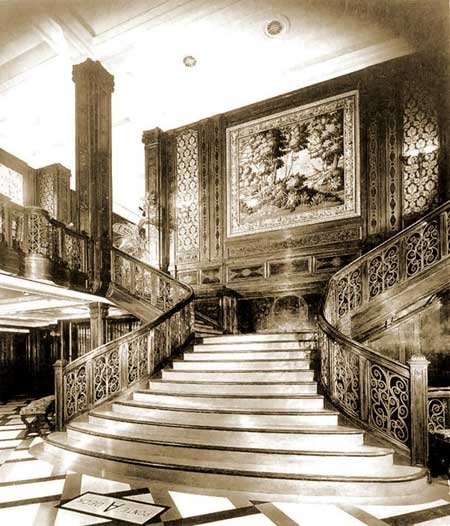
The Rex was not merely a ship; it was a floating catalogue of interwar Italian decorative arts and industrial capability. Its public salons featured classical mosaics, Art Deco polished walnut panelling, and outdoor lido swimming pools with artificial sand. In August 1933, the Rex steamed from Gibraltar to the Ambrose Light in New York in 4 days, 13 hours, and 58 minutes at an average speed of 28.92 knots, winning the Blue Riband (*Nastro Azzurro*)—the first and only Italian ocean liner ever to capture the crown of Atlantic speed.
The industrial town of Panzano
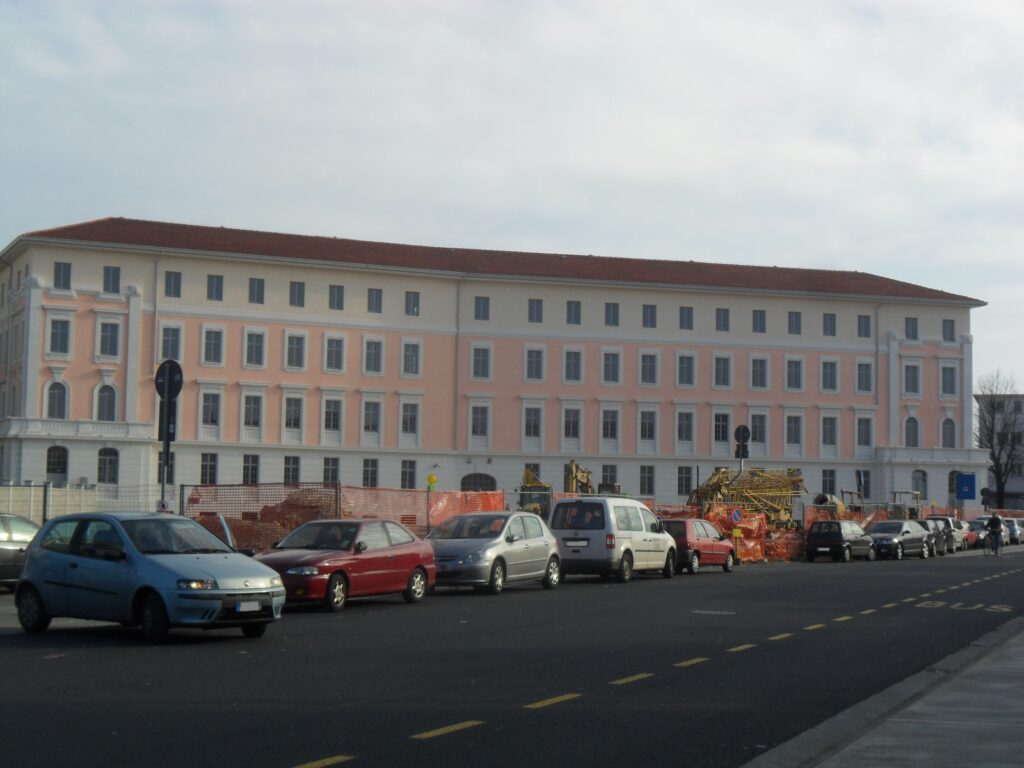
While Trieste built the grand hulls, Monfalcone was developed by CRDA into one of Europe’s foremost examples of a planned company town. Founded by the Cosulich brothers and expanded under CRDA, the village of Panzano was designed as an integrated rationalist community: residential villas for engineers, orderly terraced housing for skilled caulkers and riveters, a company hotel for unmarried workers, sports grounds, and consumer cooperatives. It represented a comprehensive vision of industrial paternalism where naval work shaped every facet of daily existence.
What remains today
CRDA operated through peace and war until 1966, when it was absorbed into the state shipbuilding entity Italcantieri (today Fincantieri). The physical monuments of its maritime supremacy remain vital to the upper Adriatic. The San Marco yard in Trieste remains active in large-scale marine conversions, while Monfalcone continues to launch the world’s largest cruise ships from the very berths where CRDA worked. In Monfalcone, the historic workers’ hotel in Panzano has been converted into the MuMa – Museo della Cantieristica, displaying original scale models, shipyard photography, and technical records. The comprehensive maritime blueprints and ship trial logs are conserved by the Fondazione Fincantieri in Trieste, preserving the memory of the deep-water yards that once set the speed of the Atlantic.
Historic Views & Archives
From the Archives: Historical Newsreels
Il varo e la partenza del REX, la nave dei sogni (1931)
Spectacular historical footage documenting the shipyard construction, slipway launch, and maiden voyage of the transatlantic liner SS Rex built by Cantieri Riuniti dell’Adriatico.
Visiting the Site: Street View & Modern Geography
CRDA combined the colossal deep-water shipyards of the upper Adriatic. In Trieste, the San Marco slipways on Riva Gulli built and launched the transatlantic liner SS Rex. Looking across the waters of the Gulf of Trieste, the drydocks and slipways remain a living monument to interwar naval architecture.
Historic Address: Riva Gulli 1, 34123 Trieste (San Marco Shipyard) & Via Terenziana 27, Monfalcone (GO)
Sources
- Fondazione Fincantieri, Archivio Storico Cantieri Riuniti dell’Adriatico (CRDA), Trieste
- MuMa – Museo della Cantieristica di Monfalcone, La città fabbrica di Panzano e i cantieri navali, Monfalcone, 2017
- Dizionario Biografico degli Italiani (Treccani), entries on Augusto Cosulich and Callisto Cosulich (Vol. 30)
- Matteo Martinuzzi, I cantieri navali di Monfalcone: Cento anni di storia industriale e marinara, Trieste, Luglio Editore, 2008