In 1923, on the hilly border between Lombardy and Switzerland, Giovanni Battista Ambrosoli set out mobile-comb beehives and built an agro-industrial legacy that still defines Ronago today.
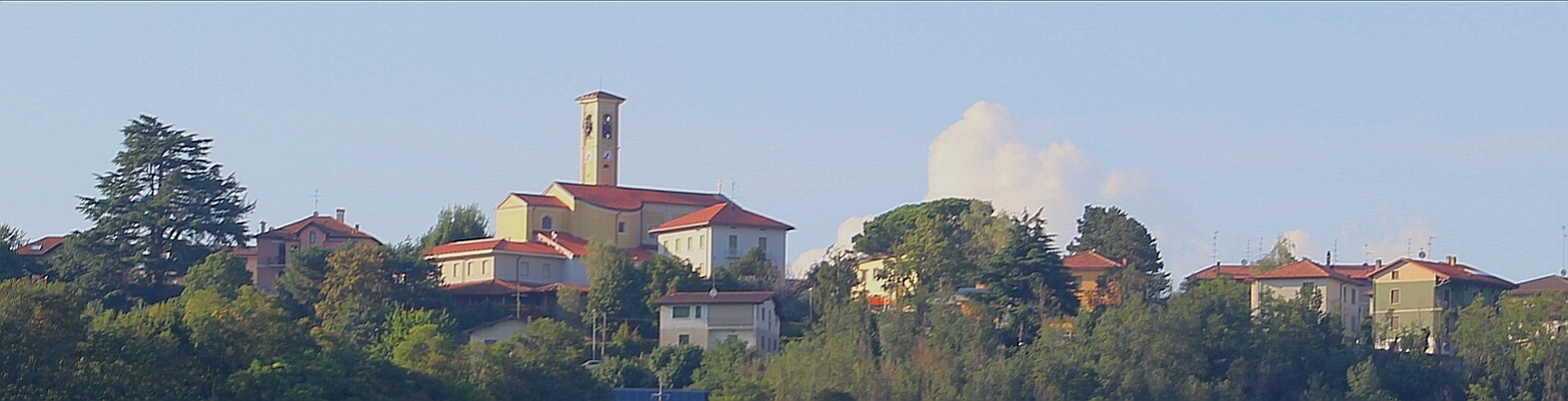
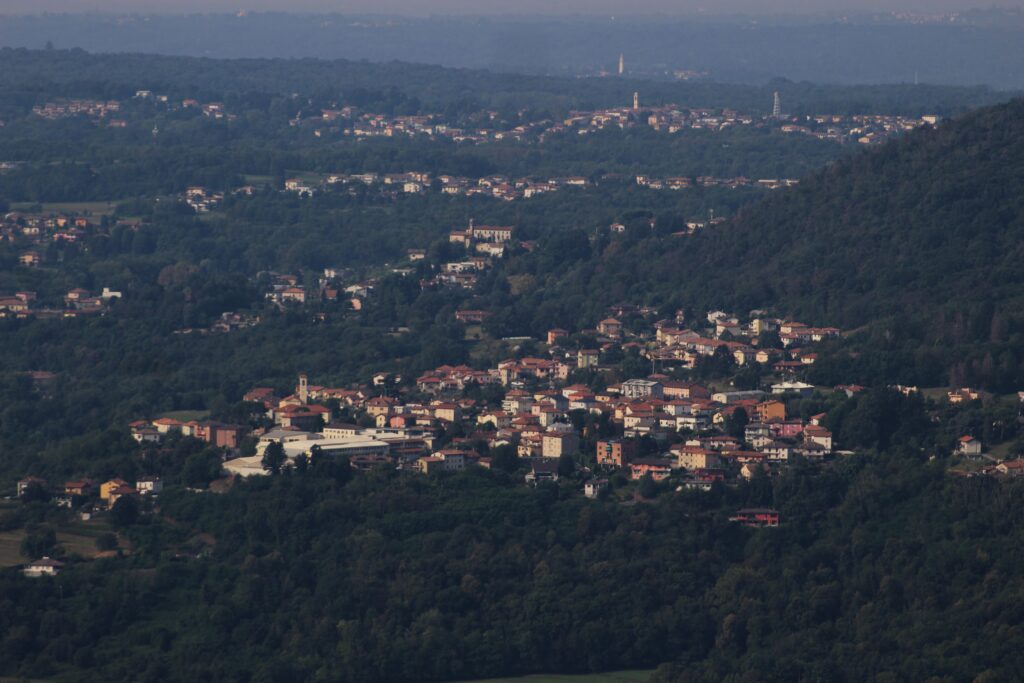
Ronago in 1923 was a steep, quiet village wedged into the pocket where the province of Como touches the Swiss canton of Ticino. For centuries, life on these prealpine ridges had balanced peasant subsistence with small-scale border trade. Cattle grazed the lower slopes, mulberry trees supplied the silk mills of the lowlands, and households kept a few woven skeps of bees behind stone dry-walls. When honey was taken in the autumn, the bees were traditionally suffocated with sulphur and the combs crushed into clay jars. It was erratic, rustic, and destructive.
That spring, Giovanni Battista Ambrosoli (1882–1955), a forty-year-old with training in chemistry and an obsessive interest in entomology, did something that struck his neighbours as eccentric. Returning to his family land after years of managing chemical processing plants, he set up the first modern mobile-comb apiary in the valley, importing Dadant-Blatt and Langstroth wooden hives. Rather than treating beekeeping as an unpredictable woodland harvest, Ambrosoli treated it as a precision bio-industry. The moveable wooden frames allowed honey extraction by centrifugal force without harming the brood or breaking the wax comb.
The science of the sweet shell
By the late 1920s, the hives dotted along the Swiss border were producing more pure honey than the local markets of Como and Varese could absorb. Raw honey in jars had seasonal limits: it crystallised in winter, leaked during summer transport, and remained a niche pantry medicine. Ambrosoli’s background as a chemical technician supplied the solution.
Working in a small laboratory behind the family house, he spent two years experimenting with vacuum evaporation and sugar cooking temperatures. In 1930 he perfected a technique that confectioners across Europe had struggled with: how to encapsulate pure, runny liquid honey inside a hard, translucent shell of cooked sugar without adding artificial syrups or causing the candy to collapse under moisture. The caramella miele Ambrosoli was born. Wrapped in waxed paper with a distinctive beehive motif, it became an immediate nationwide staple—a tiny, portable dose of mountain honey that could be sold in railway kiosks, alpine refuges, and tobacconists from the Brenner Pass to Palermo.
The family and the prealpine landscape
Giovanni Battista Ambrosoli directed the enterprise until his death in Ronago in 1955. His sons Paolo and Franco expanded production without leaving the border valley, refusing repeated offers to relocate to Milan’s industrial periphery. While Italian food processing underwent aggressive corporate conglomeration in the 1970s and 1980s, Ambrosoli remained strictly family-held, maintaining its historic headquarters in the heart of Ronago.
What remains today
A century after its founding, Ambrosoli remains the primary employer and landmark of Ronago. The historic brick factory buildings along Via Ambrosoli integrate directly with the wooded slopes of the Spina Verde regional park. Inside, the Archivio Storico d’Impresa Ambrosoli conserves a century of apicultural records: the original blueprint sketches of early centrifugal extractors, personal diaries documenting floral yields from 1923 to 1940, and the evolution of twentieth-century Italian commercial illustration from early Futurist-tinted placards to mid-century broadcast graphics. It stands as an enduring model of Lombard family capitalism: an agro-food industry anchored permanently to the prealpine landscape that first fed its hives.
Historic Views & Archives
From the Archives: Historical Newsreels
Lavorazione del miele: raccolta ed estrazione dalle arnie
Footage from the Archivio Storico Luce demonstrating the early 20th-century modernization of apiculture: uncapping combs, hand-cranked centrifugal honey extraction, and the rational wooden hives introduced across northern Italy.
Visiting the Site: Street View & Modern Geography
The historic production facility and company store (spaccio vendita) of G. B. Ambrosoli S.p.A. are situated directly at Piazzale Ambrosoli in Ronago, where the manufacturing halls meet the wooded slopes of the Parco Regionale della Spina Verde on the Swiss frontier.
Historic Address: Piazzale Ambrosoli 1 (Via Ambrosoli), 22020 Ronago (CO), Italy
Sources
- Dizionario Biografico degli Italiani (Treccani), entry on Giovanni Battista Ambrosoli (Vol. 34)
- Sistema Informativo Unificato per le Soprintendenze Archivistiche (SIUSA), Fondo Archivio Storico G.B. Ambrosoli
- Camera di Commercio di Como-Lecco, Albo delle Imprese Storiche d’Italia
- Mario Colombo, Storia dell’apicoltura italiana nel Novecento: Dalla cera fissa al telaio mobile, Milan, 1988