
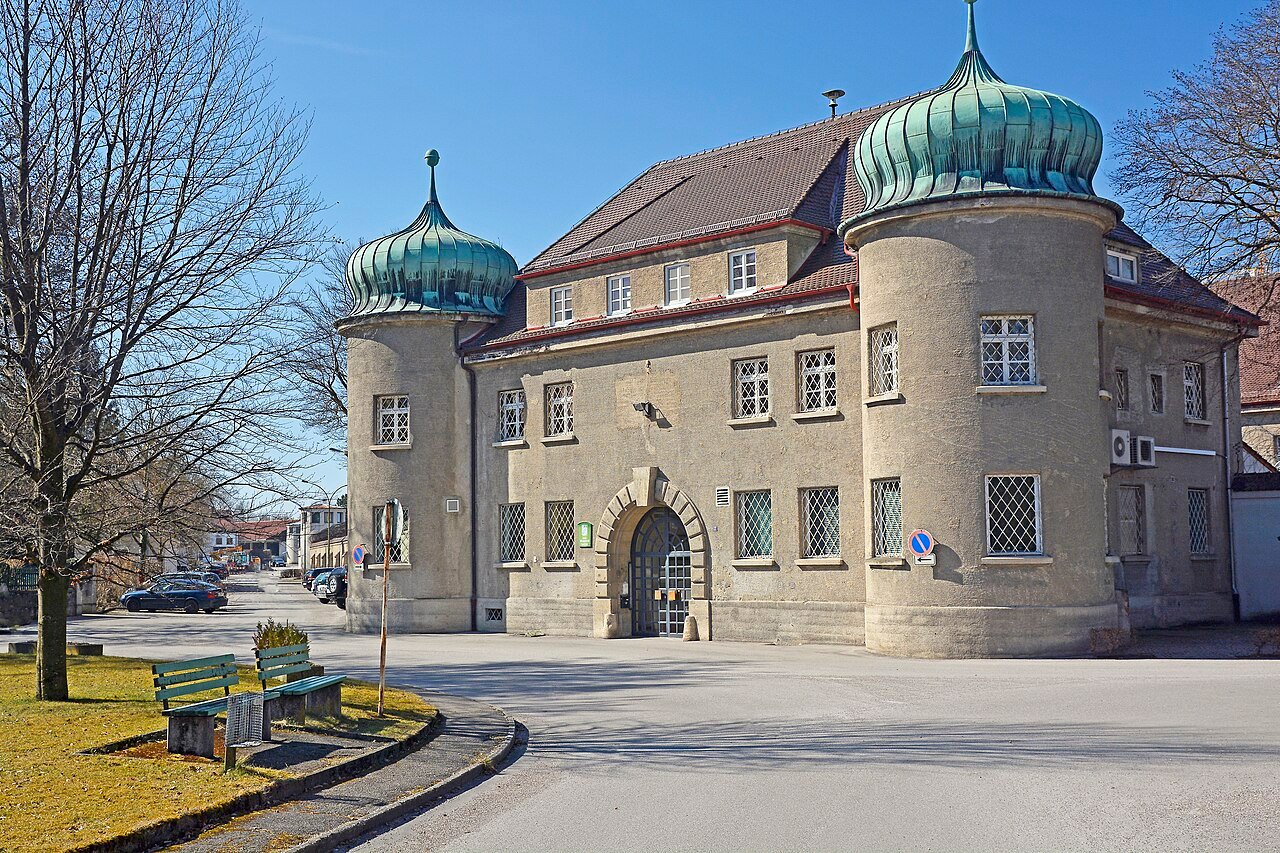
A functioning Bavarian penitentiary held, in the space of thirty years, the man who wrote Mein Kampf in one of its cells and then more than 250 of the war criminals convicted for the regime he built. It remains a working prison today, closed to visitors.
At a glance
Built to plans by architect Hugo Höfl and opened in 1908, Landsberg gained a privileged «fortress detention» wing after the First World War, reserved for prisoners held to be defending their honour rather than serving ordinary punishment. Hitler was held there under this regime in 1924, after the failed Beer Hall Putsch of November 1923 and the treason trial that followed — the putsch and the imprisonment are a year apart, and sources that merge the two dates are wrong. He was released after 264 days of a five-year sentence, and the cell became a Nazi pilgrimage site for the following decade.
After the war the same prison became War Criminal Prison No. 1, the main facility in the American zone for convicts of the Dachau and Nuremberg trials, until it was handed back to Bavaria in 1958. It has been an ordinary working penitentiary since, with no museum and no public access to its interior.
Key facts
- Construction: completed 1908, architect Hugo Höfl, in a restrained neo-baroque style; capacity around 500 at opening. A privileged «Festungshaft» wing, without work duty, operated from around 1920.
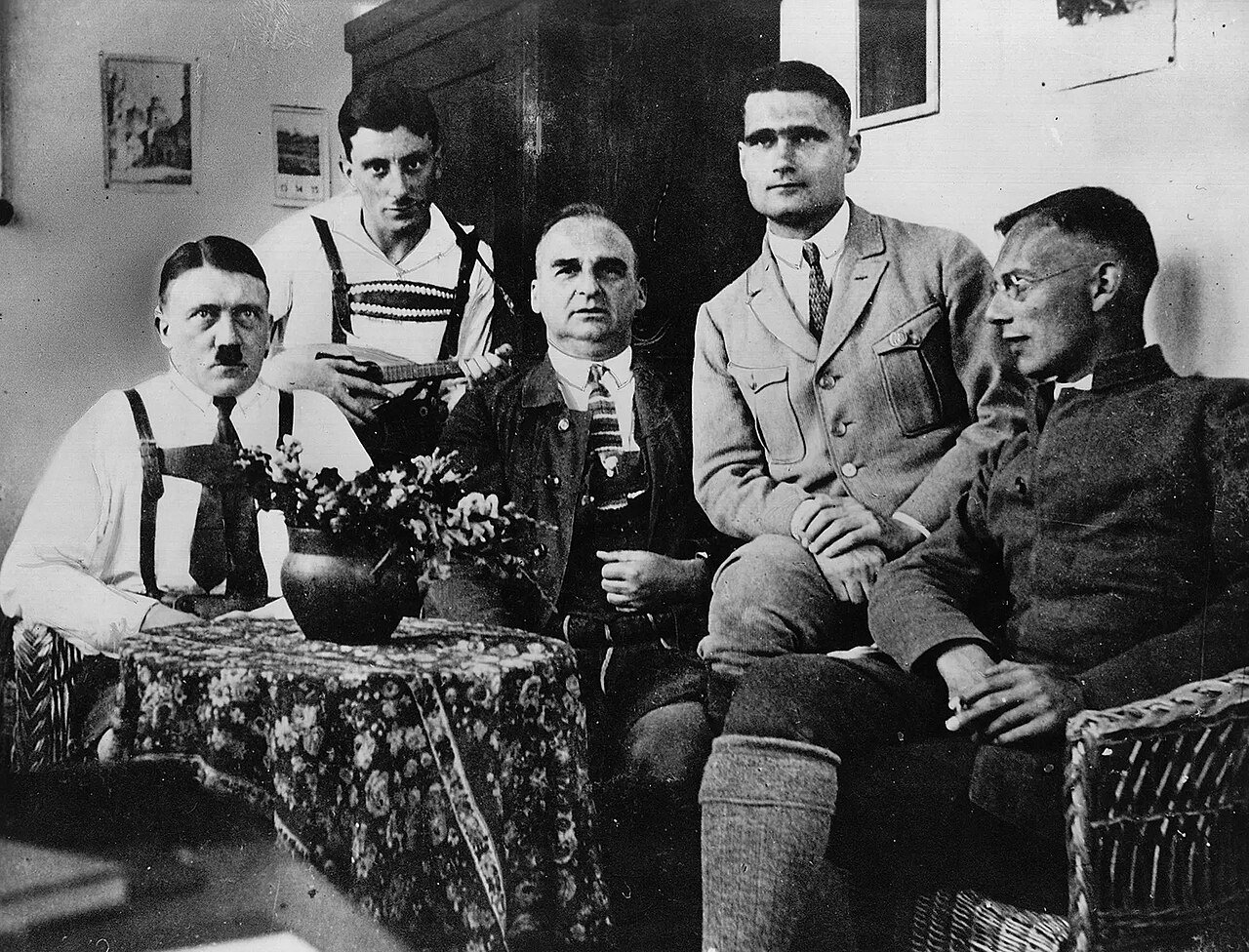
- Hitler, 1923–24: the Beer Hall Putsch failed on 8–9 November 1923; Hitler was brought to Landsberg on 11 November 1923 and, after the 1924 treason trial, served part of a five-year sentence there alongside Rudolf Hess and other putschists, writing the first part of Mein Kampf. He was released on 20 December 1924, having served 264 days.
- The Nazi shrine: from 1933 the cell drew tens of thousands of visitors a year, including organised Hitler Youth groups, as a pilgrimage site of the movement.
- War Criminal Prison No. 1, 1945–1958: held convicts of the Dachau trials, the Nuremberg successor trials and other US military tribunals — 110 Nuremberg-trial and 1,416 Dachau-trial prisoners by one count, 1,659 people in total over the period. On 31 January 1951, US High Commissioner John McCloy granted clemency to 78 of 89 reviewed prisoners, commuting 10 of his 15 death sentences; the last executions, of seven prisoners including Oswald Pohl and Otto Ohlendorf, took place on 7 June 1951.
- Executions, sources diverge: figures for the total range from about 252 war criminals to a combined 285–308 including common-law convicts executed under US jurisdiction in the same years — reported here as a range because the sources count differently, not arbitrated to one number.
- Coordinates: 48.0542° N, 10.8658° E (the prison itself).
Who tells it, and where the accounts diverge
The regime’s own propaganda turned the 1924 cell into a shrine of martyrdom and sacrifice. The prison’s own record undercuts the story it was used to tell: Festungshaft was honourable custody without work duty, in the company of fellow putschists, and it ended after 264 days of a five-year sentence — not the ordeal the pilgrimage implied, but the leniency of a Weimar court toward men who had tried to overthrow it by force.
The postwar American record has the same double layer. The US High Commission published its own account of the trials and sentences as reviewed and final; the same office’s clemency decisions of 31 January 1951 — 78 of 89 cases reduced, industrialist Alfried Krupp released with his property restored — came under sustained West German political and church pressure against the executions still being carried out. Both documents are American; they do not agree with each other.
The town’s own history was the slowest to be told. Landsberg’s promotion as a Nazi pilgrimage site, and the mass graves of forced labourers at the nearby Kaufering camps, went largely unresearched until a teacher, Anton Posset, founded a citizens’ association in 1983–84 that built the European Holocaust Memorial at Kaufering VII from 1985. In 2003 the Bavarian state itself removed the name plates from the graves of executed prisoners in the prison’s own Spöttinger cemetery, ending decades of far-right pilgrimages to marked graves — the state again correcting a use it had allowed to continue after the war.
Media
Street View — the public street along the prison wall.
Historical footage — British Movietone, 1925, filmed shortly after Hitler’s imprisonment.
Historical footage — British Pathé, 1951, the release of war criminals from Landsberg.
What you see today
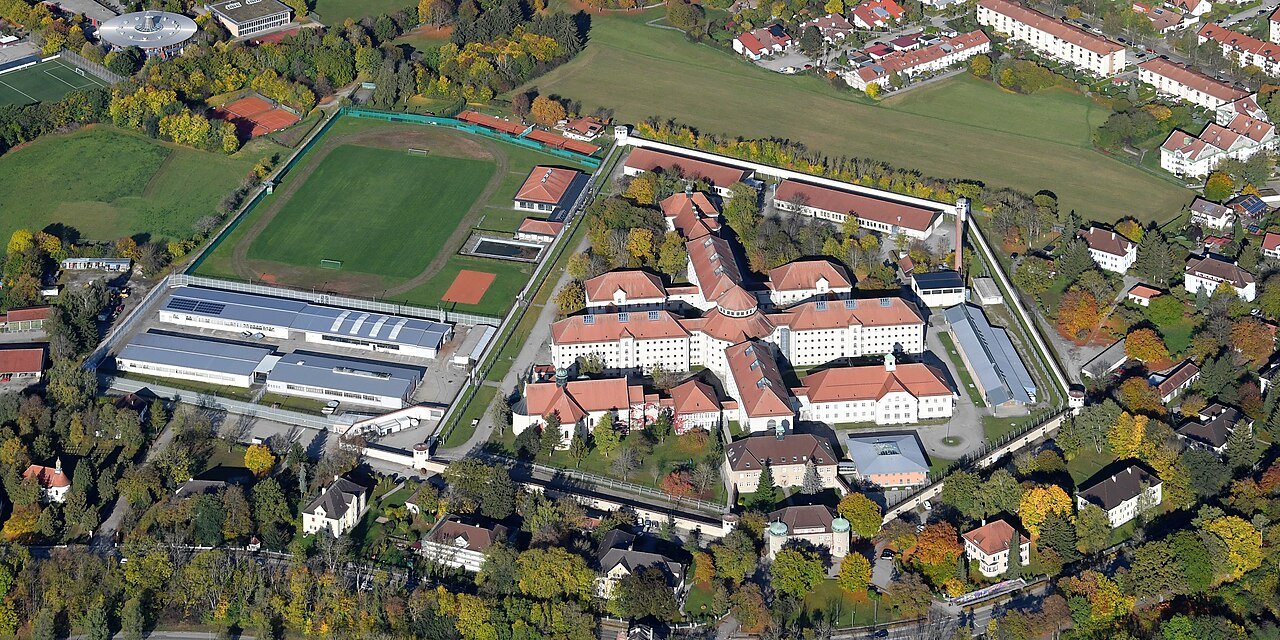
- Landsberg Prison itself: a working Bavarian penitentiary, visible only from the public street, with no visitor access.
- The Spöttinger cemetery, adjacent to the prison, where executed war criminals were buried; deconsecrated and anonymised in 2003, it stands only as a historical trace, not a memorial to visit.
- The European Holocaust Memorial at the former Kaufering VII subcamp site, a separate location south of town: ruined barracks and memorial stones from eleven European countries, run by a citizens’ foundation.
Getting there
Hindenburgring 12, Landsberg am Lech. The prison cannot be visited; only the exterior is publicly viewable. The European Holocaust Memorial at Kaufering VII, Erpftinger Straße, has no fixed hours and is visited by appointment through the memorial foundation.
Sources
- Historisches Lexikon Bayerns — construction, Festungshaft, Hitler’s 1924 detention, the Nazi-era shrine, wartime deaths, sentencing figures.
- Landsberg municipal history pages (landsberg.de) — arrival and release dates, prisoner numbers 1945–58, execution totals, the 2003 cemetery deconsecration.
- United States Holocaust Memorial Museum, Kaufering — the subcamp complex, liberation, victim numbers.
- Bundeszentrale für politische Bildung (bpb.de) — the European Holocaust Memorial and the Kaufering camp system.
- US High Commission for Germany, Landsberg: A Documentary Report (1951), and Thomas Alan Schwartz on McCloy’s clemency decisions — the postwar American record and its own reversal.
Find it on the map
See this place and what’s around it →📷 Become a Cultural Heritage Online photographer
Share your photos of places: they stay published under your name as the author. The more they're seen, the more you get noticed — and soon a contest will reward the most appreciated photos.
Log in or sign up free to add a photoIs this page about you?
This page is read by travellers and heritage enthusiasts who find it on Google. Tell us how you are connected to this place and we will take it from there.