
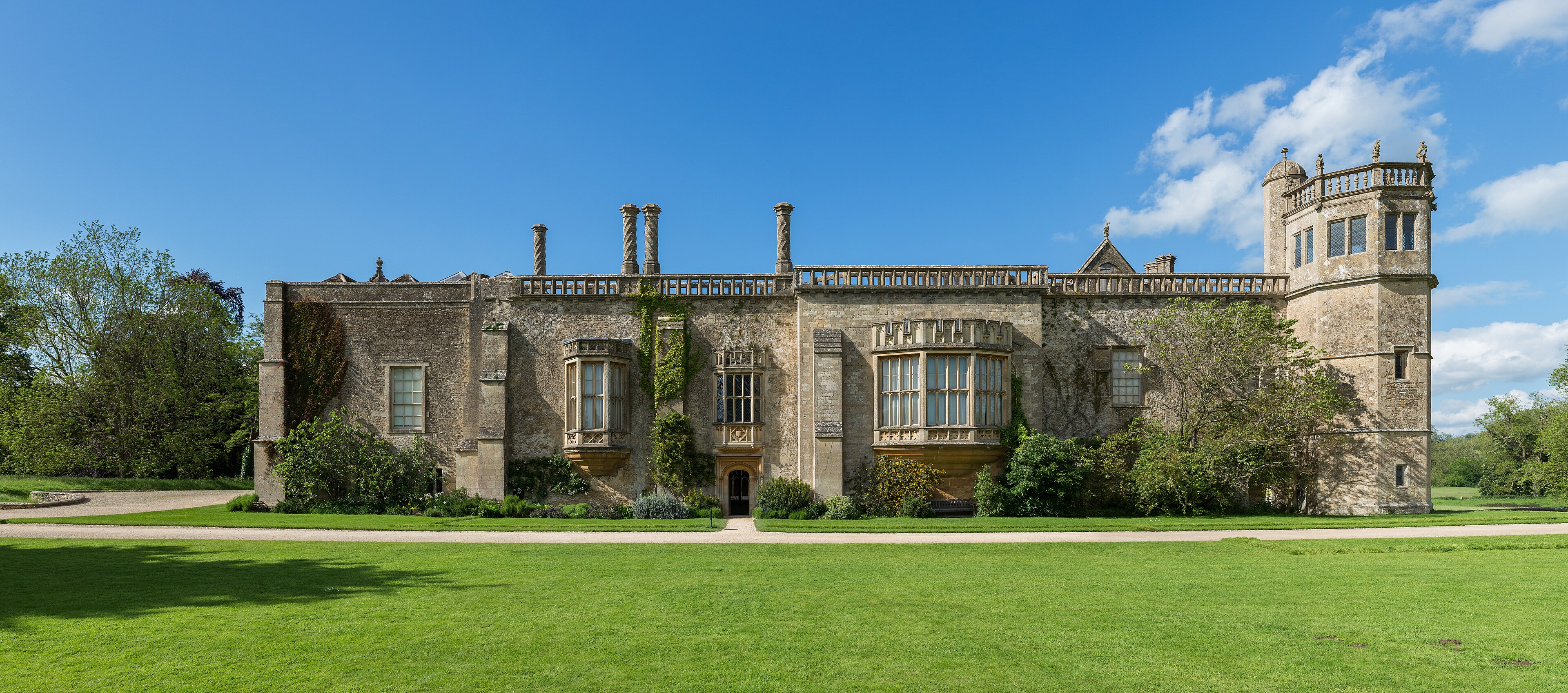
A converted medieval nunnery transformed into a country house, Lacock Abbey is celebrated as the birthplace of modern photography—where Henry Fox Talbot captured what may be the earliest surviving photographic negative in 1835.
At a glance
Lacock Abbey stands as a rare surviving example of a religious site repurposed into domestic architecture. The Grade I listed building merges monastic cloisters with later domestic rooms, creating a layered architectural palimpsest. Today, as part of the National Trust’s portfolio, the house remains a living record of English religious, political, and technological history.
History
Founded in the early 13th century by Ela, Countess of Salisbury, Lacock Abbey housed an Augustinian nunnery for over three centuries. Following the dissolution of the monasteries in the 1530s, the property passed to Sir William Sharington, who converted the convent into a private residence.
The house gained strategic importance during the English Civil War, remaining fortified and loyal to the crown until Parliamentary forces captured it after the fall of Devizes in 1645. Later, the estate came to the Talbot family, whose presence would define the abbey’s modern legacy. In 1944, Matilda Theresa Talbot bequeathed both the house and the village of Lacock to the National Trust.
What you see
The building is constructed of stone with slated roofs, twisted chimney stacks, and mullioned windows characteristic of its period. Its main rooms occupy the first floor, built directly over the former abbey cloisters. Centuries of alterations mean the structure embodies a patchwork of architectural styles—from medieval foundations to later domestic additions.
The Tudor stable courtyard north of the main house preserves original features including a brewhouse and bakehouse, offering insight into medieval monastic life and early modern domestic operations.
Cultural significance
Lacock Abbey’s greatest significance lies in its role as a laboratory of photographic innovation. In 1835, Henry Fox Talbot made what may be the earliest surviving photographic camera negative—an image of one of the abbey’s windows. This pioneering work helped establish the foundations of modern photography. The on-site Fox Talbot Museum documents this revolutionary achievement, positioning Lacock at the threshold of visual technology.
Key facts
- Country: United Kingdom
- Location: Lacock, Wiltshire, England
- Coordinates: 51.4147°N, 2.1172°W
- Founded: Early 13th century as an Augustinian nunnery
- Dissolution: 1539
- Grade I listed building
- Owner: National Trust (since 1944)
Practical information & getting there
Lacock Abbey is situated in the village of Lacock in Wiltshire. The National Trust manages the site, and detailed visiting information, opening hours, and admission prices are available on their official website. The Fox Talbot Museum can be visited as part of an abbey tour.
Sources & resources
Find it on the map
See this place and what’s around it →📷 Become a Cultural Heritage Online photographer
Share your photos of places: they stay published under your name as the author. The more they're seen, the more you get noticed — and soon a contest will reward the most appreciated photos.
Log in or sign up free to add a photoIs this page about you?
This page is read by travellers and heritage enthusiasts who find it on Google. Tell us how you are connected to this place and we will take it from there.