
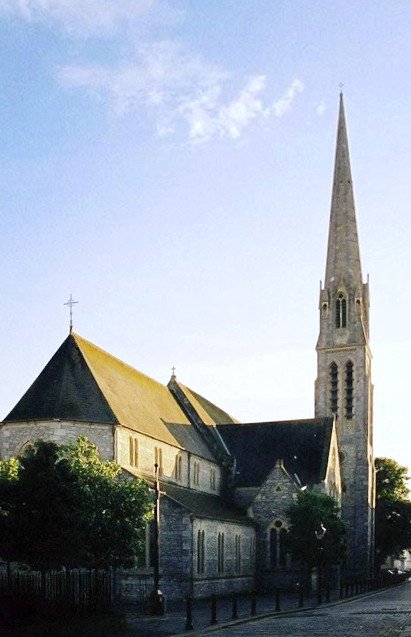
The seat of the Bishop of Plymouth and mother church of the Roman Catholic Diocese of Plymouth, serving Cornwall, Devon and Dorset since its opening in 1858.
At a glance
Plymouth Cathedral is the principal church of the Roman Catholic Diocese of Plymouth, established in 1850 following Pope Pius IX’s papal bull Universalis Ecclesiae. The cathedral was dedicated to the Virgin Mary and Saint Boniface, who is believed to have been born in Crediton within the diocesan territory.
History
The Diocese of Plymouth was formally created in 1850 as part of the restoration of the Catholic hierarchy in England. Eight years later, in 1858, the purpose-built cathedral opened to serve the spiritual needs of the Catholic population across three counties. The cathedral also maintains a special role in the local military community, hosting Royal Navy personnel from HMNB Devonport for an annual naval mass each July.
What you see
The cathedral represents nineteenth-century Catholic church architecture, designed to function as both a place of worship and an administrative centre for the diocese.
Cultural significance
Plymouth Cathedral embodies the re-establishment of Catholic institutional life in England during the Victorian era. Its dedication to Saint Boniface—a figure connected to the local region—links the modern diocese to early Christian heritage in the West Country. The cathedral’s role in the annual naval mass connects religious and maritime traditions central to Plymouth’s identity.
Key facts
- Country: United Kingdom
- City: Plymouth
- Coordinates: 50.3737, -4.1516
- Opened: 1858
- Patron saints: Virgin Mary and Saint Boniface
- Diocese created: 1850
Practical information & getting there
Plymouth Cathedral is located in Plymouth city centre. For visiting hours, services, and travel information, contact the cathedral directly or check the Diocese of Plymouth website.
Sources & resources
Find it on the map
See this place and what’s around it →📷 Become a Cultural Heritage Online photographer
Share your photos of places: they stay published under your name as the author. The more they're seen, the more you get noticed — and soon a contest will reward the most appreciated photos.
Log in or sign up free to add a photoIs this page about you?
This page is read by travellers and heritage enthusiasts who find it on Google. Tell us how you are connected to this place and we will take it from there.