
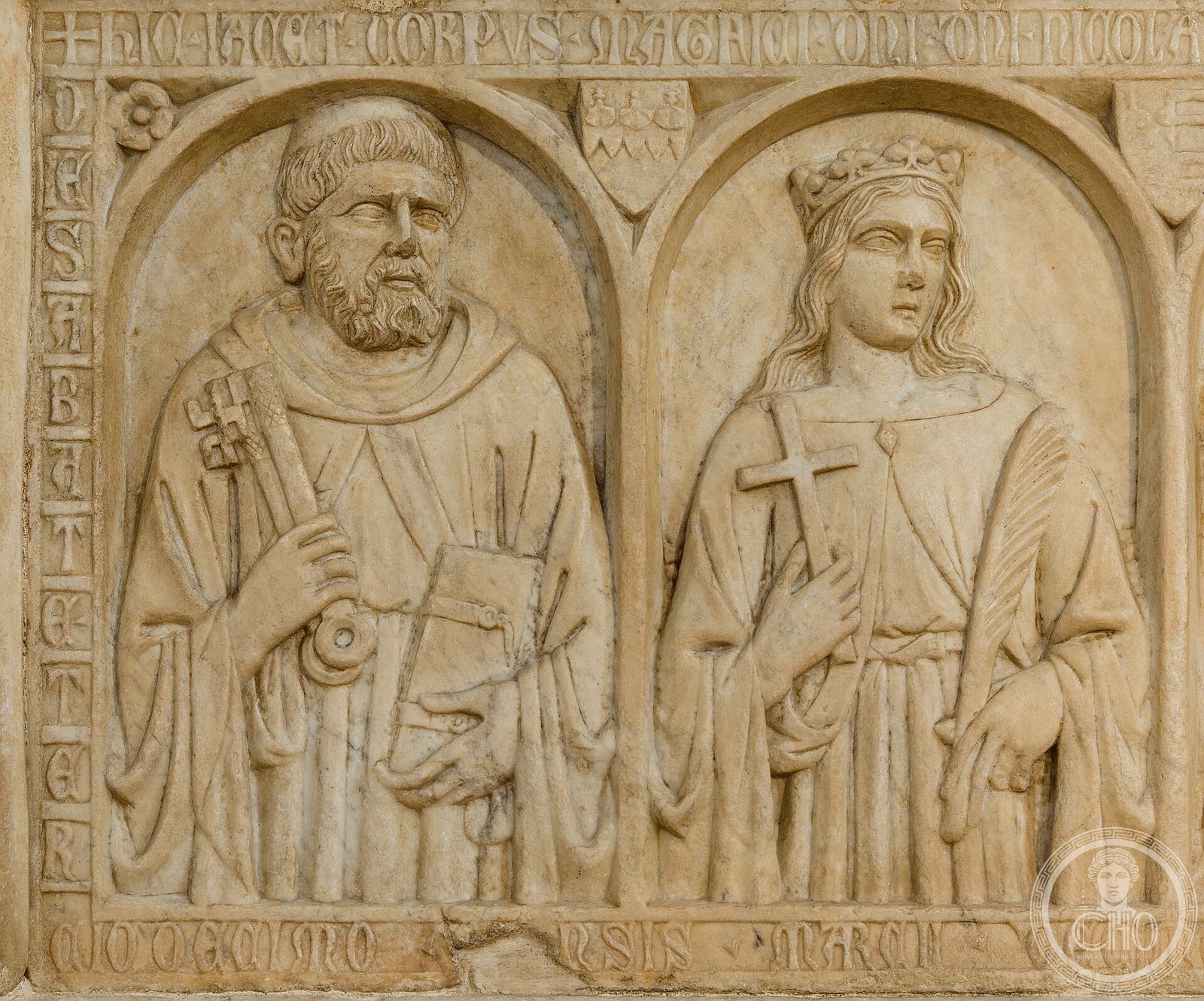
The Church of St. Francis of Assisi near Reggio Calabria is a Franciscan foundation with origins in the mendicant expansion of the 13th century, situated in the southern tip of Calabria overlooking the Strait of Messina. Like many churches in this seismically active region, the building preserves elements from multiple construction phases following the destructive earthquakes of 1783 and 1908, making it a testament to the resilience of local religious communities across centuries of natural disaster.
At a glance
- Type
- Roman Catholic church, Franciscan order
- Period
- Medieval foundation, c. 13th century; substantially rebuilt after 1783 and 1908 earthquakes
- Style
- Post-earthquake reconstruction with earlier structural elements
- Location
- Reggio Calabria area, Province of Reggio Calabria, Calabria, Italy
- Coordinates
- 38.2732° N, 16.2190° E
Overview
Churches dedicated to St. Francis of Assisi spread rapidly across southern Italy following the founding of the Franciscan order in the early 13th century, and the Reggio Calabria area received its first Franciscan community within decades of Francis’s canonisation in 1228. This church stands as a living expression of Franciscan presence in one of Italy’s most historically and geologically dramatic regions. Its location in the deep south of the peninsula, close to the Strait of Messina, places it at a cultural crossroads between Italian mainland and Sicilian religious traditions.
History
The Franciscans established a presence in the Reggio Calabria area during the 13th century as part of the order’s rapid expansion through the Kingdom of Sicily. The church and convent suffered severe damage in the great Calabrian earthquake of 1783, which devastated much of the region’s built heritage, and were subsequently rebuilt in a simplified form. The catastrophic Messina earthquake of 1908 — one of the deadliest seismic events in European history — caused further destruction and necessitated additional reconstruction work in the early 20th century.
What you see
The church presents a facade and interior shaped by its post-earthquake reconstructions, typically featuring a single-nave plan common to rebuildings of this era in Calabria. Surviving furnishings may include painted panels, carved wooden elements, and devotional sculptures salvaged from earlier structures or donated by local families. The building’s fabric tells a layered story of destruction and resilience characteristic of Calabrian religious architecture, where medieval foundations underlie 18th- and early 20th-century superstructures.
Cultural significance
The church represents the enduring strength of Franciscan devotion in southern Calabria across more than seven centuries, surviving repeated seismic catastrophe through community-driven rebuilding. As a heritage site, it contributes to understanding the pattern of religious landscape in Calabria and the material culture of mendicant orders in the Mezzogiorno. The earthquakes of 1783 and 1908 that shaped the present structure are themselves major historical events whose memory is inscribed in the region’s built environment.
Practical information
- Address
- Reggio Calabria area, Province of Reggio Calabria, Calabria, Italy
- Admission
- Free entry (active place of worship)
Getting there
The Reggio Calabria area is served by the A3 motorway (Salerno–Reggio Calabria) and by the Reggio Calabria Centrale railway station, which connects to the national rail network. Reggio Calabria is also served by the Aeroporto dello Stretto for domestic and some international flights. Local buses connect the city and its surroundings; verify the exact address of this church locally before visiting.
Sources & resources
See the place
Find it on the map
See this place and what’s around it →📷 Become a Cultural Heritage Online photographer
Share your photos of places: they stay published under your name as the author. The more they're seen, the more you get noticed — and soon a contest will reward the most appreciated photos.
Log in or sign up free to add a photoIs this page about you?
This page is read by travellers and heritage enthusiasts who find it on Google. Tell us how you are connected to this place and we will take it from there.