
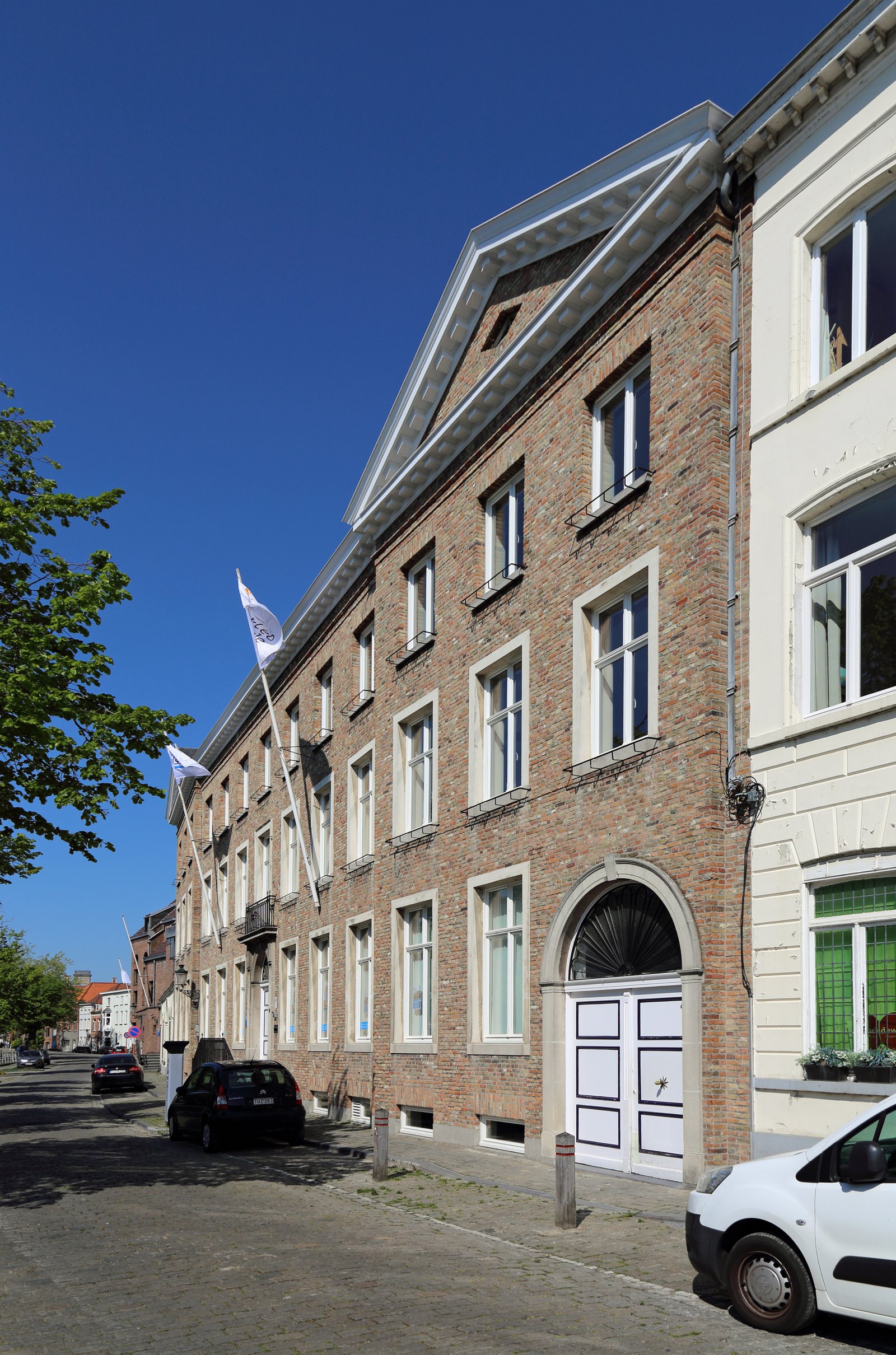
A Catholic educational institution in Bruges that evolved from an exclusive boys’ school into a co-educational public academy over more than a century.
At a glance
Sint-Leocollege stands as a significant example of Belgium’s educational development. Founded as a private boys’ institution, it underwent major transitions that reflect shifting social attitudes toward education and gender equality.
History
Sint-Leocollege was established in 1890 as a private Catholic boys’ school in Bruges. In 1916, a pivotal transformation occurred when the school transitioned to public status, broadening its accessibility. The institution remained exclusively male until 1993, when girls were admitted to classes for the first time, marking the school’s final transition toward full co-education.
What you see
Specific architectural details about the building are not well documented in available sources. The institution itself represents the physical continuity of Bruges’ educational heritage.
Cultural significance
Sint-Leocollege’s history mirrors broader changes in Belgian society. Its transformation from private to public status in 1916 reflected evolving democratic principles, while its 1993 co-education policy embodied late-twentieth-century gender equality movements. The school demonstrates how educational institutions adapt to serve changing community values.
Key facts
- Founded: 1890
- Location: Bruges, Belgium
- Coordinates: 51.2141°N, 3.2293°E
- Originally established as a private boys’ school
- Became a public school in 1916
- Admitted female students in 1993
Practical information & getting there
Sint-Leocollege is located in Bruges, Belgium’s medieval heart. The city is readily accessible by train from Brussels and other major European cities. For current visiting information or educational details, contact the institution directly or visit Bruges’ tourism website.
Sources & resources
Find it on the map
See this place and what’s around it →📷 Become a Cultural Heritage Online photographer
Share your photos of places: they stay published under your name as the author. The more they're seen, the more you get noticed — and soon a contest will reward the most appreciated photos.
Log in or sign up free to add a photoIs this page about you?
This page is read by travellers and heritage enthusiasts who find it on Google. Tell us how you are connected to this place and we will take it from there.