
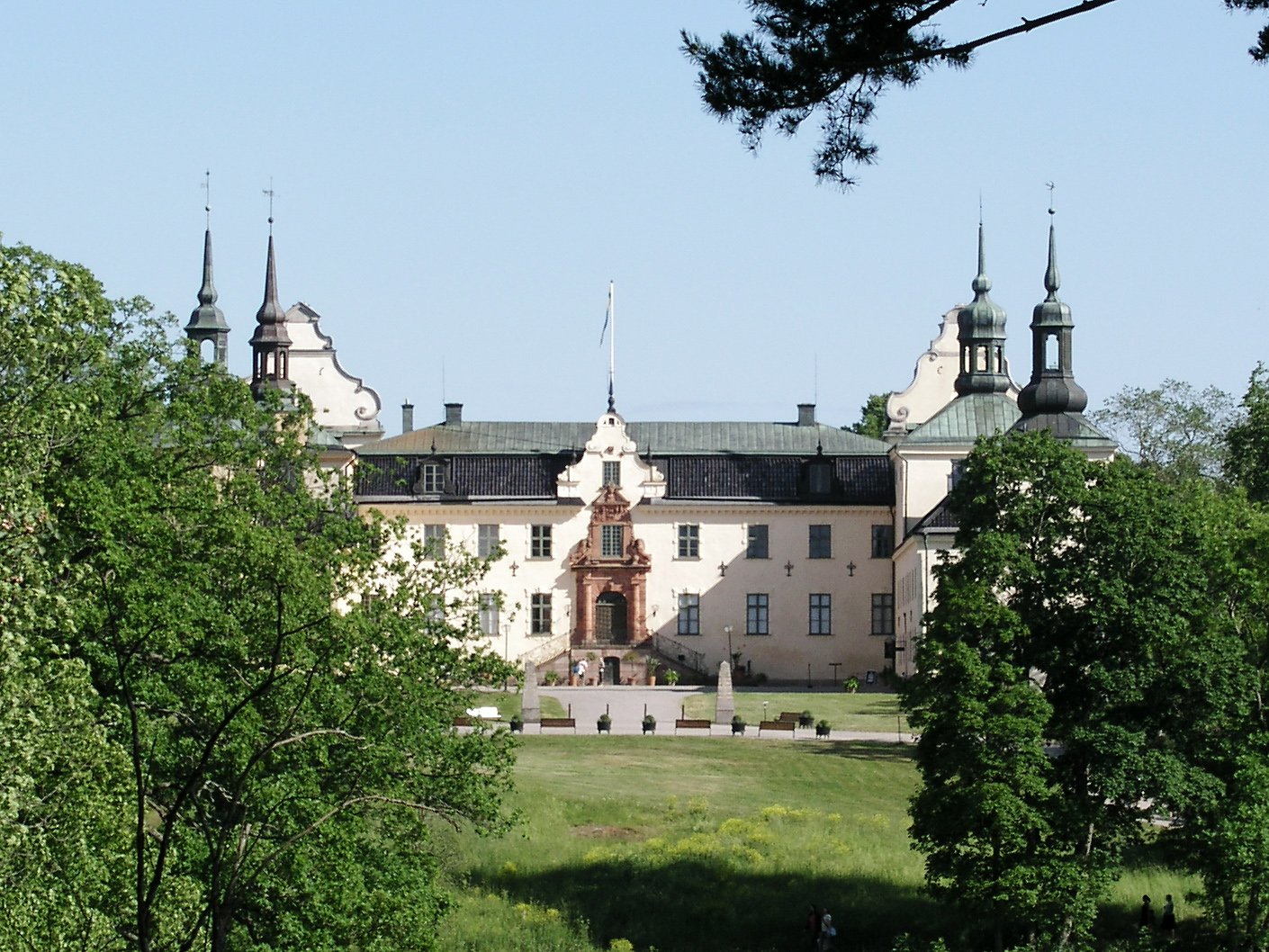
A baroque palace southeast of Stockholm, built by Gabriel Oxenstierna and later home to one of Sweden’s most influential women, now a museum set within the nation’s first English garden.
At a glance
Tyresö Palace stands approximately 25 kilometres southeast of central Stockholm, overlooking landscape gardens that pioneered the English garden style in Sweden. Built between the 1620s and 1636, the palace remains a living document of 17th-century Swedish aristocratic life and architectural ambition.
History
Gabriel Oxenstierna, Lord High Steward of Sweden, commissioned the palace’s construction in the 1620s, completing it in 1636. He also built the adjacent Tyresö Church, where his own burial inaugurated the building in 1641.
In 1648, the palace passed to Maria Sofia De la Gardie, who had married Gustaf Gabrielsson Oxenstierna, nephew of Swedish Regent Axel Oxenstierna. Both families commanded immense wealth. Maria Sofia managed extensive Baltic estates from Tyresö until 1694. The writer Maria Gustava Gyllenstierna subsequently lived at the palace between 1699 and 1737.
Marquis Claes Lagergren acquired Tyresö in 1892 and commissioned architect Isak Gustaf Clason to rebuild it in the national romantic style, drawing inspiration from original 17th-century drawings. Upon Lagergren’s death in 1930, he bequeathed the palace to the Nordic Museum.
What you see
The palace exemplifies baroque design, later reinterpreted through the national romantic aesthetic of the late 19th century. Garden architect Fredrik Magnus Piper designed the grounds during the 1770s modernization, blending English park principles with Swedish meadow traditions and fairy-tale imagery rooted in the ancient forest.
Those landscape gardens survive intact today, representing Sweden’s earliest and most significant English garden.
Cultural significance
Tyresö Palace embodies three distinct chapters of Swedish cultural history: baroque aristocratic power, female estate management during the early modern period, and the romantic reimagining of national identity at the turn of the 20th century. The gardens alone mark a watershed moment in Swedish landscape design, introducing continental garden aesthetics while maintaining distinctly Swedish character.
Key facts
- Country: Sweden
- Municipality: Tyresö
- Coordinates: 59.2353, 18.3047
- Built: 1620s–1636
- Original patron: Gabriel Oxenstierna, Lord High Steward
- Current owner: Nordiska museet (Nordic Museum)
- Garden designer: Fredrik Magnus Piper (1770s)
Practical information & getting there
Tyresö Palace is open for guided tours during the summer months. The Nordic Museum, which owns and manages the site, provides visitor information. The palace is located in Tyresö Municipality, roughly 25 km southeast of Stockholm’s city centre.
Sources & resources
Find it on the map
See this place and what’s around it →📷 Become a Cultural Heritage Online photographer
Share your photos of places: they stay published under your name as the author. The more they're seen, the more you get noticed — and soon a contest will reward the most appreciated photos.
Log in or sign up free to add a photoIs this page about you?
This page is read by travellers and heritage enthusiasts who find it on Google. Tell us how you are connected to this place and we will take it from there.