
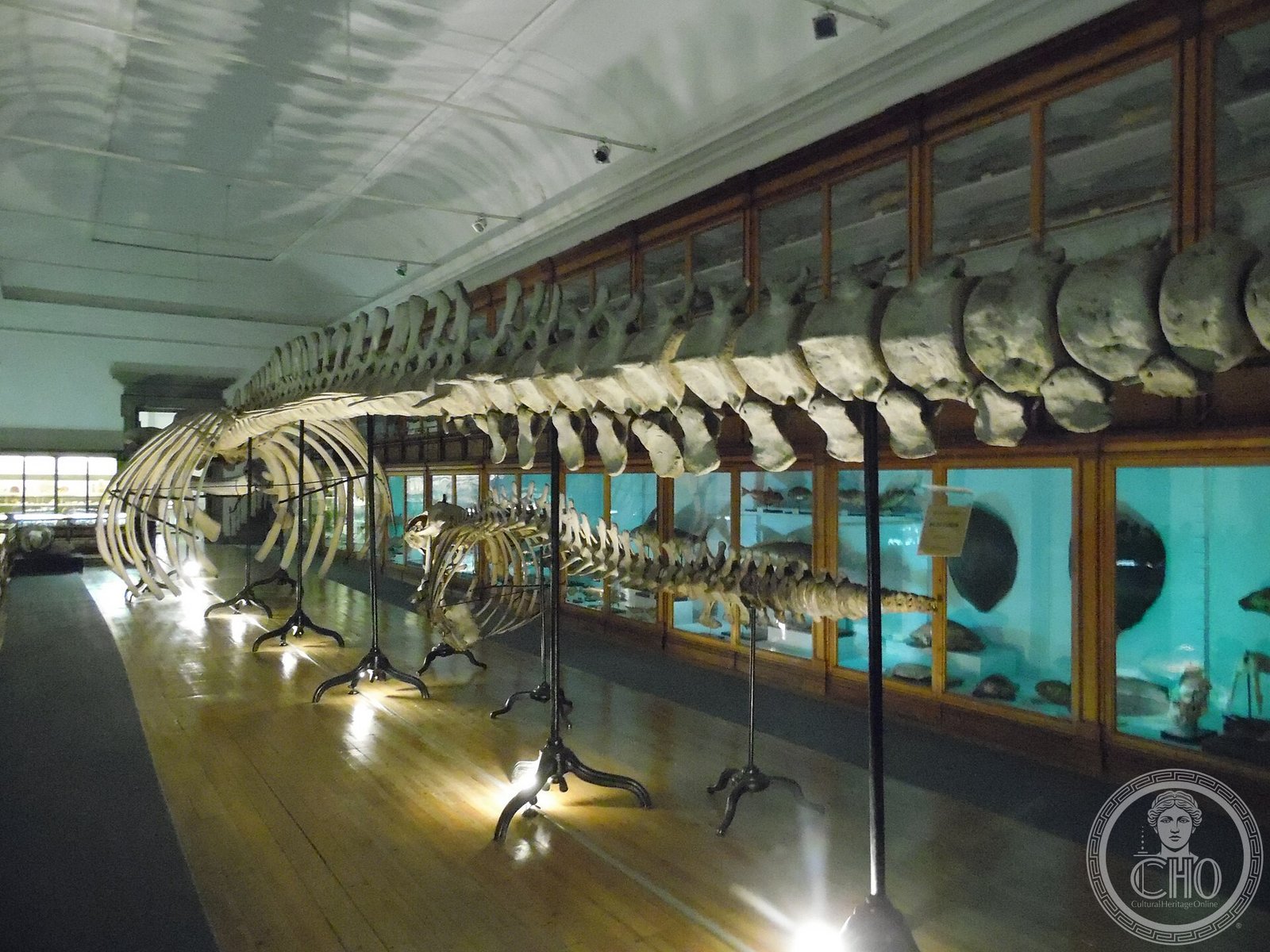
The Science Museum of the University of Coimbra (Museu da Ciência da Universidade de Coimbra) is one of Portugal’s most distinguished scientific heritage institutions, located within the historic university campus in Coimbra. It brings together the historical scientific collections of several university faculties, including an exceptional set of 18th- and 19th-century physics instruments, and the natural history collections of botany, zoology, anthropology, and mineralogy.
At a glance
- Type
- University science and natural history museum
- Period
- Collections from the 18th and 19th centuries; the University of Coimbra was founded in 1290
- Style
- Enlightenment-era scientific institution; neoclassical laboratory architecture
- Location
- University of Coimbra, Coimbra, Portugal · 40.2102° N, 8.4259° W
Overview
The University of Coimbra Science Museum incorporates the historical scientific collections of several units of the University of Coimbra. It includes the collection of scientific instruments from the 18th and 19th century of the Physics Museum, the collections of botany, zoology, anthropology, and mineralogy of the Natural History Museum, and the collections of the Astronomical Observatory and the Geophysical Institute of the University of Coimbra. Together these form one of the most comprehensive records of the history of science in Portugal and on the Iberian Peninsula.
History
The University of Coimbra, founded in 1290, is one of the oldest universities in the world and the oldest in Portugal. Its scientific collections grew substantially during the Pombaline reforms of the mid-18th century, when the Marquis of Pombal modernised Portuguese higher education and equipped Coimbra with state-of-the-art scientific laboratories, including the Laboratorio Chimico (Chemical Laboratory), now a landmark of Portuguese Enlightenment architecture. Natural history collections accumulated over the following two centuries through the work of university professors, colonial expeditions, and scientific exchanges with institutions across Europe.
What you see
The Physics Museum gallery displays a remarkable array of original 18th- and 19th-century instruments: electrostatic machines, pneumatic pumps, astrolabes, telescopes, and mechanical models used to teach Newtonian physics during the Enlightenment. The Natural History collections include zoological specimens from Portugal’s former colonies, herbarium sheets prepared by noted 19th-century botanists, and mineralogical samples with verified provenances. The Astronomical Observatory, still operational, is also accessible to visitors on scheduled visits and offers a direct link between historical observation methods and contemporary astronomy.
Cultural significance
The University of Coimbra Alta and Sofia district — including the museum buildings — was inscribed as a UNESCO World Heritage Site in 2013. The Science Museum forms an integral part of this recognised heritage, embodying Portugal’s centuries-long contribution to European scientific thought, exploration, and education at the highest level.
Practical information
- Address
- Largo Marquês de Pombal, 3000-272 Coimbra, Portugal
- Hours
- Check the official University of Coimbra museum website for current opening times and ticket information
- UNESCO
- Part of the University of Coimbra Alta and Sofia UNESCO World Heritage Site (inscribed 2013)
- Coordinates
- 40.2102° N, 8.4259° W
Getting there
Coimbra is located midway between Lisbon and Porto on the main A1 motorway and is served by Alfa Pendular high-speed trains from both cities (approximately 1.5 hours from Lisbon, 1 hour from Porto). Coimbra B station is the main rail terminus; from there, local trains or taxis reach the city centre and university hill. The museum is on the upper university campus, reachable on foot via a steep climb or by elevator from Praça da República.
Sources & resources
See the place
Find it on the map
See this place and what’s around it →📷 Become a Cultural Heritage Online photographer
Share your photos of places: they stay published under your name as the author. The more they're seen, the more you get noticed — and soon a contest will reward the most appreciated photos.
Log in or sign up free to add a photo