
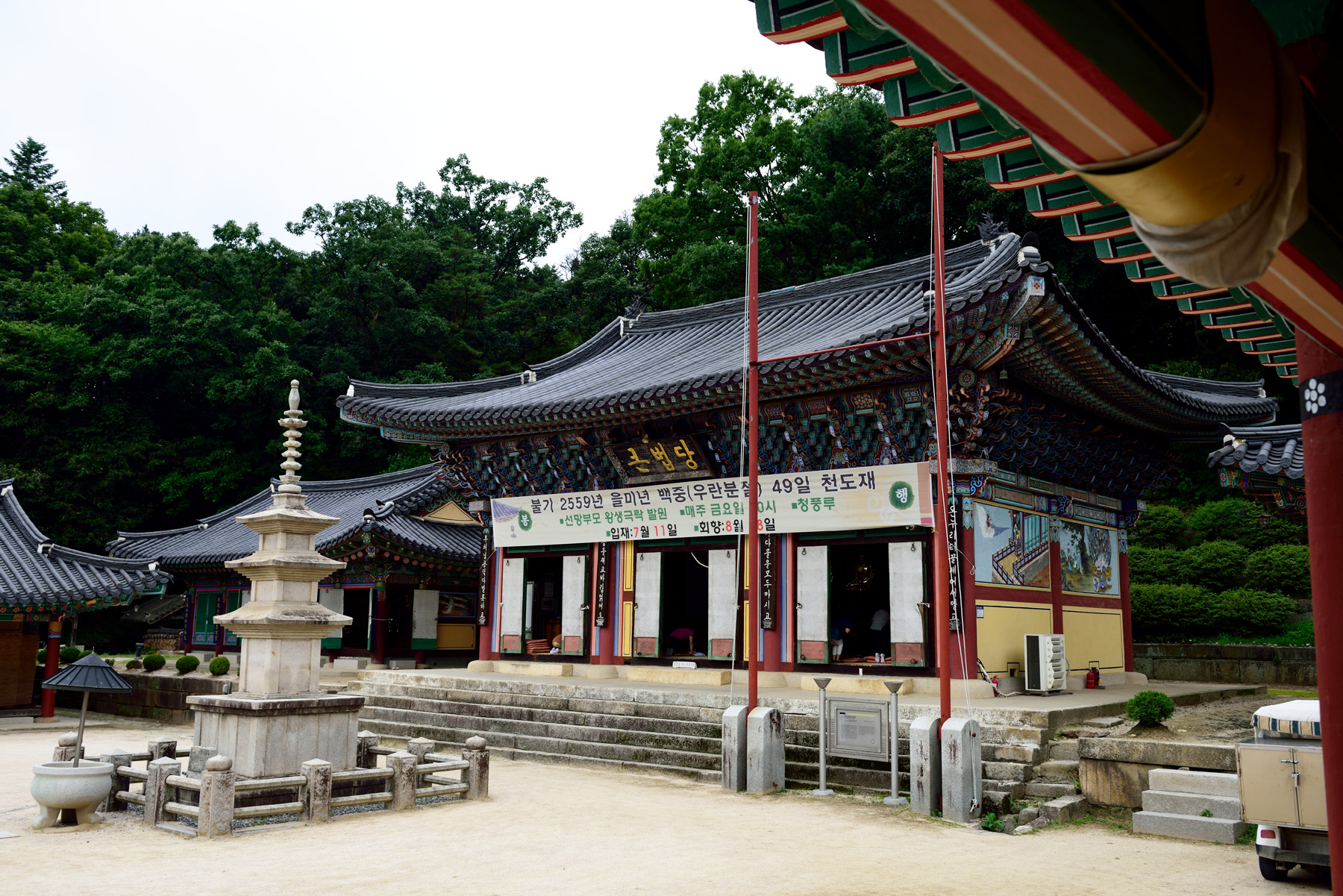
A principal temple of Korean Buddhism, Bongseonsa has endured centuries of destruction and renewal, bearing witness to the religious life of Korean dynasties from Goryeo to the present day.
At a glance
Bongseonsa stands as a head temple of the Jogye Order, South Korea’s largest Buddhist denomination. Located in Jinjeop-eup, Namyangju, east of Seoul, it commands deep historical significance within Korean royal circles, particularly among the queens of the Joseon Dynasty.
History
National Preceptor Beobin founded the temple in 969 during the Goryeo dynasty under its original name, Unaksa. The temple gained its present name, Bongseonsa—meaning “temple of revering the sage”—in 1469, when Queen Jeonghui renamed it at the time her husband King Sejo was buried nearby.
From that moment forward, Bongseonsa became intimately connected with Joseon royal women. Yet survival proved difficult. The temple endured burning and reconstruction through the Imjin War of the late sixteenth century, the seventeenth-century Manchu invasions, and the Korean War of 1950–1953, each disaster requiring painstaking restoration.
What you see
Information about the temple’s architectural features is not available from the current sources.
Cultural significance
Bongseonsa embodies the intersection of Buddhist spirituality and Korean court life. Its role as a destination for royal women transformed it into a symbol of feminine devotion within the Joseon realm. The temple’s repeated destruction and restoration testify to the resilience of Korean Buddhist practice across centuries of upheaval.
Key facts
- Country: South Korea
- Location: Jinjeop-eup, Namyangju, Gyeonggi province
- Founded: 969 (Goryeo dynasty)
- Original name: Unaksa
- Current name adopted: 1469
- Affiliation: Jogye Order of Korean Buddhism
- Coordinates: 37.747°N, 127.183°E
Practical information & getting there
Bongseonsa is situated a short distance east of Seoul in Gyeonggi province. For current visiting hours, admission fees, and detailed directions, consult local tourism resources or the temple’s official channels.
Sources & resources
Find it on the map
See this place and what’s around it →📷 Become a Cultural Heritage Online photographer
Share your photos of places: they stay published under your name as the author. The more they're seen, the more you get noticed — and soon a contest will reward the most appreciated photos.
Log in or sign up free to add a photoIs this page about you?
This page is read by travellers and heritage enthusiasts who find it on Google. Tell us how you are connected to this place and we will take it from there.