
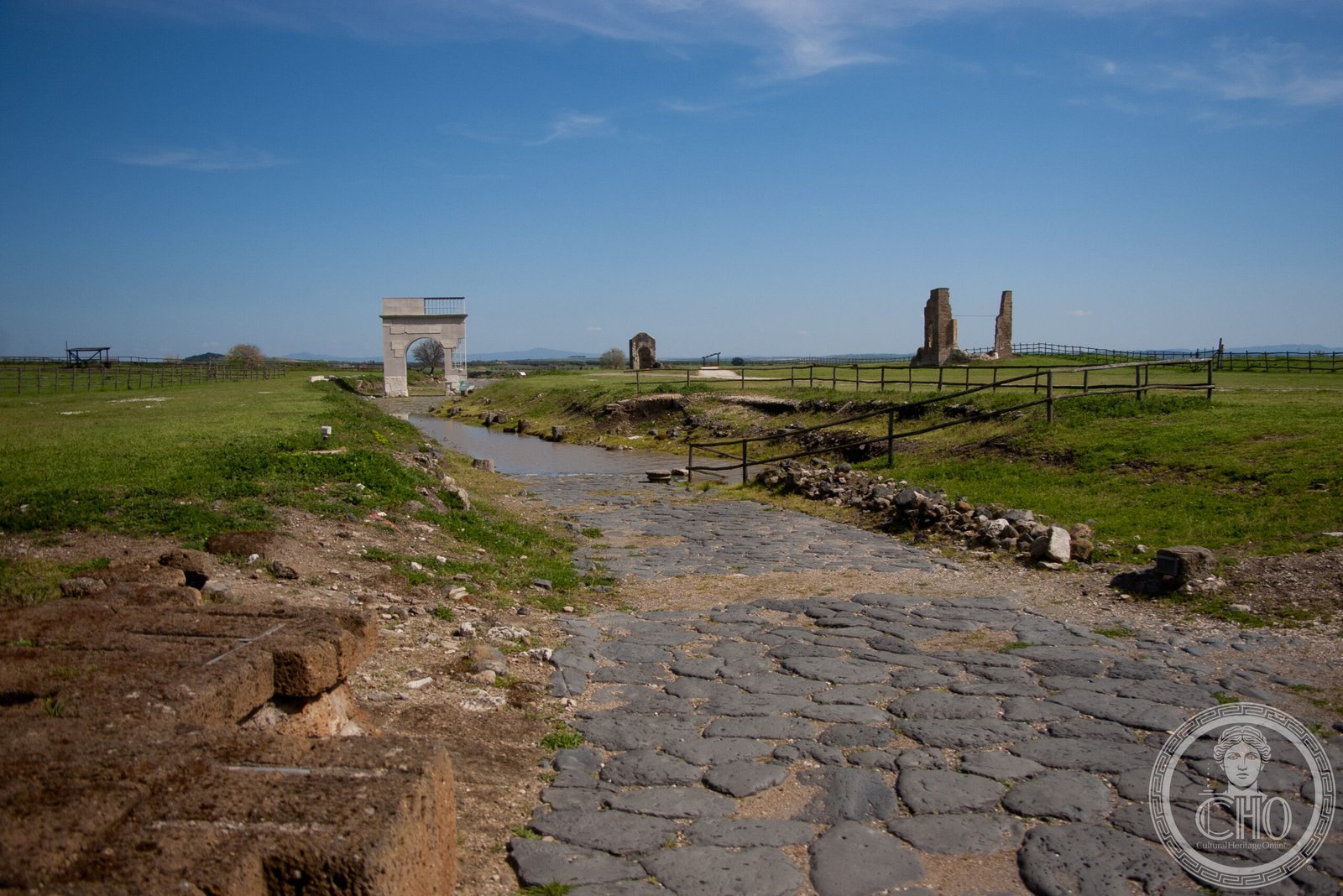
Badia Castle — National Archaeological Museum of Vulci
The Badia Castle sits above the gorge of the Fiora river at Vulci, one of the wealthiest Etruscan city-states of antiquity, and houses the National Archaeological Museum dedicated to the site. The castle itself is a medieval structure built by the Cistercian monks of the nearby abbey, adapted over centuries by successive lords and the Papal State. Today it serves as the dramatic gateway to the Parco Naturalistico e Archeologico di Vulci, offering a 360° virtual tour that allows global visitors to explore both the museum collections and the surrounding archaeological landscape without leaving home.
At a glance
- Type
- Medieval castle housing a national Etruscan archaeological museum; nature and archaeology park
- Period
- Etruscan city active 9th–3rd century BC; castle medieval (11th–13th century); museum 20th century
- Style
- Medieval military architecture (castle); Etruscan and Italic (collections)
- Location
- Vulci, Municipality of Montalto di Castro, Province of Viterbo, Lazio, Italy
- Coordinates
- 42.4297° N, 11.6322° E
Overview
Vulci was a rich Etruscan city in what is now northern Lazio. In the 19th century, excavations at Vulci produced some of the greatest quantities of Etruscan and Greek painted pottery ever recovered — much of which now enriches museums across Europe and America. The Badia Castle, straddling a Etruscan-era bridge over the Fiora gorge, became the focal point for the remaining collections and the management of the protected archaeological park that covers the ancient urban area.
History
Ancient Vulci reached its zenith between the 7th and 5th centuries BC, trading extensively with Greece and Phoenicia and producing high-quality metalwork that was exported across the Mediterranean. Roman conquest in 280 BC ended Etruscan independence, and the city gradually declined through the imperial period. In the medieval era a Cistercian abbey and an associated castle rose over part of the ancient ruins. The 19th-century excavations, largely conducted for private collectors and foreign agents, dispersed enormous quantities of material; the Badia Castle museum now preserves what remained in Italian hands.
What you see
The museum displays bucchero pottery, Attic and Etruscan painted vases, bronze objects, terracotta architectural decorations and jewellery from the Vulci necropoleis. The castle’s medieval rooms provide a striking setting for ancient material. Outside, the archaeological park extends across the ancient urban plateau, with visible traces of Etruscan streets, city walls and the monumental bridge known as the Ponte dell’Abbadia — still intact after 2,400 years. The 360° virtual tour enables remote exploration of both the interiors and the landscape.
Cultural significance
Vulci is one of the most important Etruscan sites in Italy, yet remains far less visited than Tarquinia or Cerveteri. Its collections document a city of considerable commercial sophistication and artistic ambition. The surviving Etruscan bridge at Vulci is among the finest examples of ancient engineering in Lazio and deserves to be as well known as the bridges of Rome.
Practical information
- Address
- Parco Naturalistico e Archeologico di Vulci, SP Vulci, 01014 Montalto di Castro VT, Italy
- Opening hours
- Check the official park website for current seasonal hours
- Admission
- Paid entry; combined park and museum ticket available; virtual tour accessible online
Getting there
Vulci is accessible by car via the SS1 Via Aurelia, exiting at Montalto di Castro and following signs to the archaeological park (approximately 10 km). There is no direct public transport to the site; car hire or a taxi from Montalto di Castro or Tarquinia is recommended. The nearest railway stations are at Montalto-Pescia Romana on the Rome–Pisa coastal line.
Sources & resources
Find it on the map
See this place and what’s around it →📷 Diventa un fotografo di Cultural Heritage Online
Condividi le tue foto dei luoghi: restano pubblicate con la tua firma come autore. Più vengono viste, più ti fai conoscere — e presto un concorso premierà le foto più apprezzate.
Accedi o registrati gratis per aggiungere una fotoDo you manage this place?
This page is read by travellers and heritage enthusiasts who find it on Google. Keep it accurate — and make it work for you. Free for non-profit heritage institutions.