
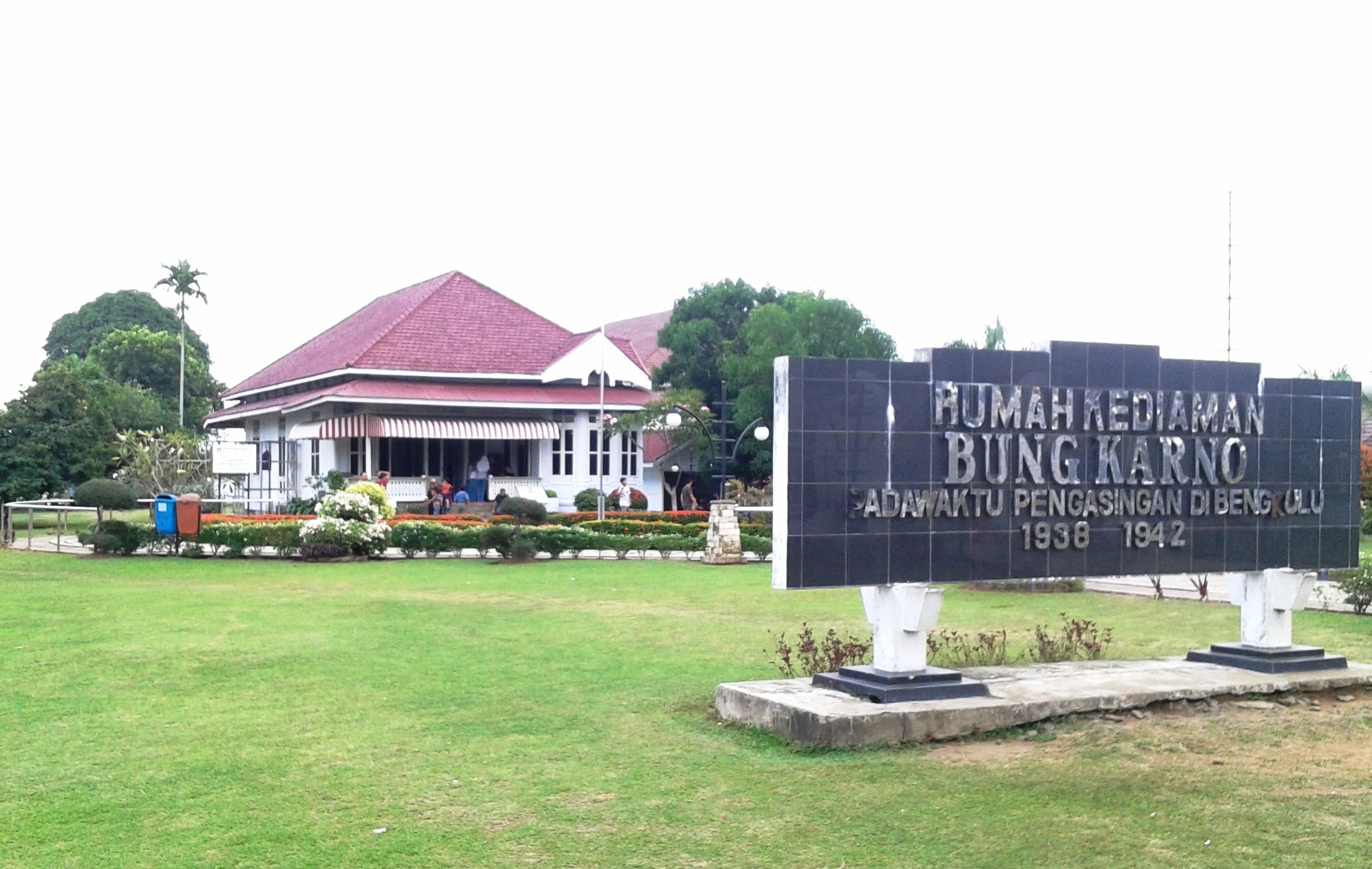
Two residences in eastern and western Indonesia where Indonesia’s founding president lived during forced exile—now preserved as museums of his early political life.
At a glance
The Bung Karno Seclusion House comprises two separate dwellings in which Sukarno, Indonesia’s first president, was confined during the Dutch colonial period. His Ende home operated as a museum following his release. Together, the sites document a pivotal chapter in Indonesian independence history.
History
On 14 January 1934, Sukarno was exiled to Ende, a town on the island of Flores. He remained there until 1938, isolated from nationalist circles on Java. Following his release, the Dutch authorities transferred him to Bengkulu, on Sumatra’s west coast, where he was confined until 1942. Both exiles were imposed by the colonial administration as punishment for his independence activism. The Ende residence was later converted into a museum, preserving the memory of Sukarno’s imprisonment and the broader struggle for Indonesian sovereignty.
What you see
Little architectural detail is documented in available sources. The houses represent modest colonial-era domestic structures adapted to their remote locations and the circumstances of political confinement.
Cultural significance
These sites hold profound symbolic importance in Indonesian national memory. Sukarno’s exile period shaped his political thinking and resolve during the final decades of Dutch rule. The homes where he was held prisoner now serve as touchstones for understanding his journey from detainee to founding president, and for commemorating the sacrifices made during Indonesia’s independence struggle.
Key facts
- Country: Indonesia
- Locations: Ende, Flores (1934–1938) and Bengkulu (1938–1942)
- Occupant: Sukarno, Indonesia’s first president
- Status: Ende residence functions as a museum
Practical information & getting there
Both sites are open to visitors, though specific hours and access details are best confirmed locally. Ende is accessible by air or sea from Java; Bengkulu is reached by domestic flight or overland travel along Sumatra’s coast. Allow time to reflect on the historical context of Sukarno’s confinement and its role in Indonesia’s path to independence.
Sources & resources
Find it on the map
See this place and what’s around it →📷 Become a Cultural Heritage Online photographer
Share your photos of places: they stay published under your name as the author. The more they're seen, the more you get noticed — and soon a contest will reward the most appreciated photos.
Log in or sign up free to add a photoIs this page about you?
This page is read by travellers and heritage enthusiasts who find it on Google. Tell us how you are connected to this place and we will take it from there.