
A repository of Javanese cultural heritage spanning from the Neolithic era to the present, housing shadow puppets, ancient weapons, masks, and bronze sculptures alongside a working library.
At a glance
The Sonobudoyo Museum preserves the most complete collection of Javanese artifacts outside Jakarta’s National Museum. Its holdings range from Neolithic ceramics to 8th-century bronze sculptures, complemented by performing arts that animate the collection nightly.
History
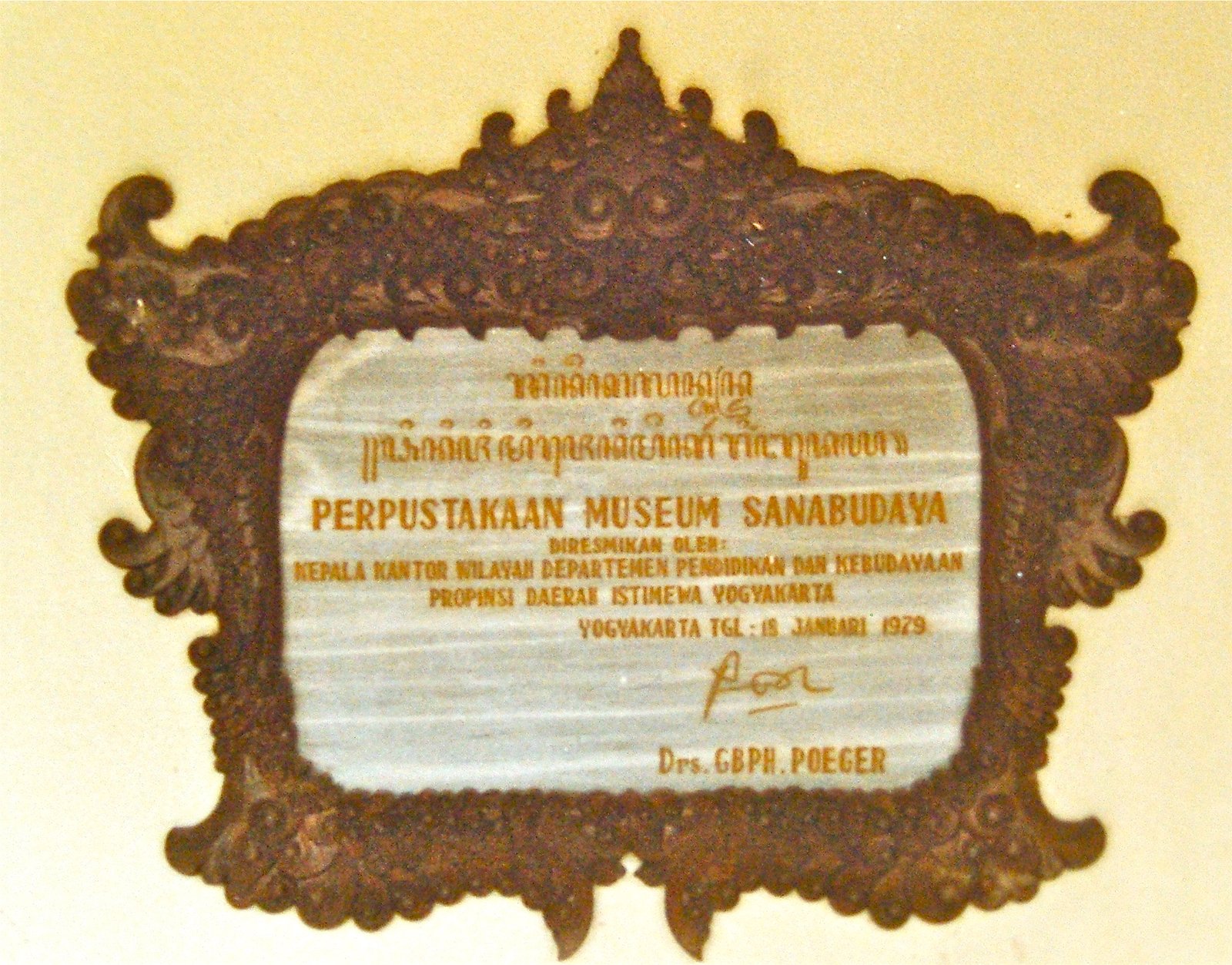
Established as a dedicated repository for Javanese material culture, the museum has evolved into both archive and cultural venue. It now operates as two separate units across Yogyakarta, expanding accessibility to diverse communities of scholars and visitors.
What you see
The museum’s collections encompass Neolithic ceramics and 8th-century bronze sculptures, reflecting centuries of artistic development. Among its most significant holdings are wayang (intricately carved shadow puppets used in traditional theatre), keris and other ancient weapons, and an array of Javanese ceremonial masks. Display areas incorporate library facilities, merging archival research with exhibition space.
Cultural significance
The Sonobudoyo Museum functions as a guardian of Javanese identity and artistic continuity. Its integration of performing arts—nightly wayang and gamelan performances on weekdays—transforms passive viewing into immersive cultural experience, particularly for international visitors seeking understanding of living Javanese traditions rather than historical artifacts alone.
Key facts
- Country: Indonesia
- City: Yogyakarta
- Coordinates: -7.801785, 110.364003
- Unit I: Jalan Trikora No. 6, Yogyakarta
- Unit II: Ndalem Condrokiranan, Wijilan (east of main alun-alun)
Practical information & getting there
The museum operates two locations within Yogyakarta. Unit I occupies Jalan Trikora No. 6, while Unit II is situated east of the city’s main square (alun-alun). Evening performances of wayang and gamelan music occur on weekdays, providing opportunities to witness traditional shadow-puppet theatre and classical Javanese music in situ.
Sources & resources
Find it on the map
See this place and what’s around it →📷 Become a Cultural Heritage Online photographer
Share your photos of places: they stay published under your name as the author. The more they're seen, the more you get noticed — and soon a contest will reward the most appreciated photos.
Log in or sign up free to add a photoIs this page about you?
This page is read by travellers and heritage enthusiasts who find it on Google. Tell us how you are connected to this place and we will take it from there.