
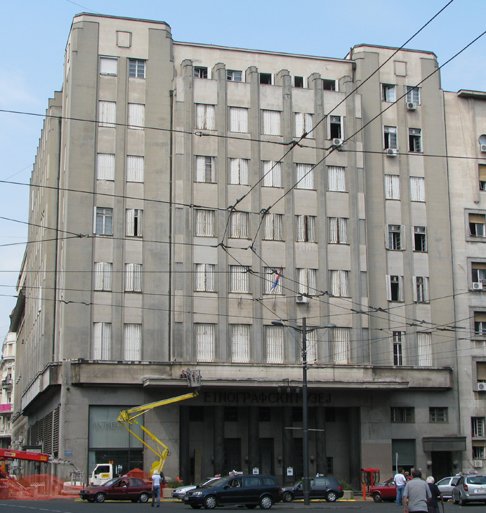
One of the Balkans’ oldest museums, devoted to preserving and celebrating Serbia’s traditional crafts and material culture.
At a glance
The Ethnographic Museum ranks among the earliest institutions in the Balkans dedicated to ethnographic study. Today it serves as a custodian of Serbian heritage, working with multiple partners to document, exhibit and revitalize traditional crafts.
History
The museum’s founding reflects a broader nineteenth-century European movement to preserve folk traditions before industrialization erased them. As one of the region’s oldest ethnographic collections, it has accumulated significant holdings of material culture from across Serbia.
What you see
The museum houses ethnographic objects and artifacts documenting Serbian daily life, domestic arts and traditional production methods. Its collections span textiles, ceramics, woodwork and other handcrafted goods that illustrate regional skills and cultural identity.
Cultural significance
The Ethnographic Museum serves as a vital repository for understanding Serbian folk heritage and the continuity of craft traditions. By partnering with stakeholders in Serbia’s artisanal sectors, it actively supports the revitalization of skills that define cultural identity across generations.
Key facts
- Location: Belgrade, Serbia
- Coordinates: 44.8198°N, 20.4563°E
- Status: One of the Balkans’ oldest museums
Practical information & getting there
The museum is located in central Belgrade. For current opening hours, admission fees and guided tour availability, consult the institution’s official website or contact them directly.
Sources & resources
Find it on the map
See this place and what’s around it →📷 Become a Cultural Heritage Online photographer
Share your photos of places: they stay published under your name as the author. The more they're seen, the more you get noticed — and soon a contest will reward the most appreciated photos.
Log in or sign up free to add a photoIs this page about you?
This page is read by travellers and heritage enthusiasts who find it on Google. Tell us how you are connected to this place and we will take it from there.