
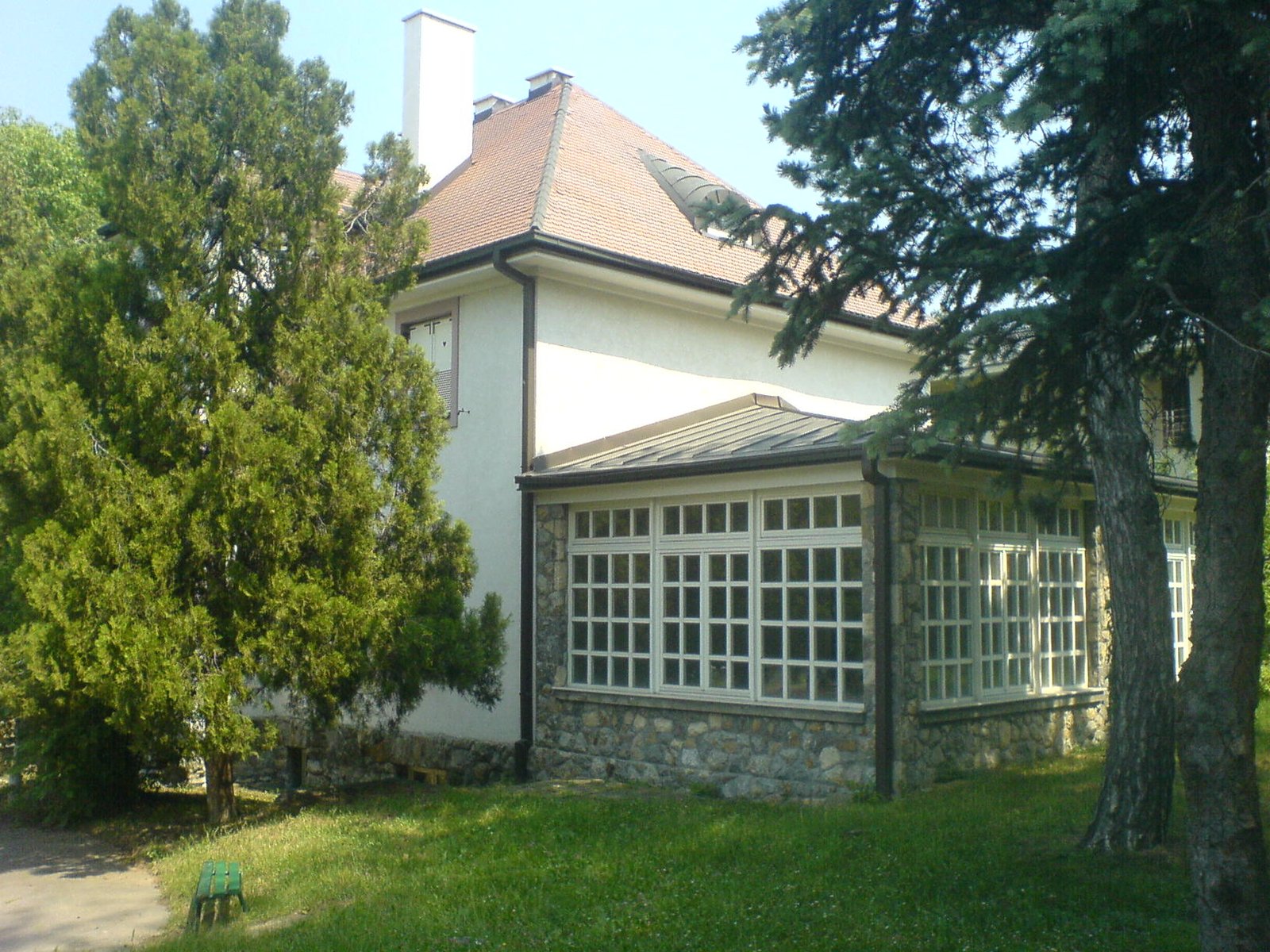
A commemorative museum housed in the building where Yugoslav communist leaders planned the resistance uprising against Nazi occupation on 4 July 1941, established to mark what became known as Fighter’s Day.
At a glance
This Belgrade museum occupied a modest residential building on Prince Alexander Karađorđević Boulevard, serving as a monument to a pivotal moment in Yugoslav history. It remained open for over fifty years before closure in 2003.
History
The building’s historical significance stems from 4 July 1941, when members of the Central Committee of the Communist Party of Yugoslavia gathered there to encourage popular uprising against German occupation. That date was subsequently designated Fighter’s Day, a state holiday throughout the Socialist Federal Republic of Yugoslavia. The museum opened on 1 May 1950 to commemorate this resistance. When the property reverted to the Ribnikar family, the museum closed in 2003.
What you see
The building itself is marked by a memorial plaque identifying its historical role. A sculptural work titled Call of the Uprising, created by Vojin Bakić, adorns the front façade—a modernist call to remembrance for visitors approaching the entrance.
Cultural significance
The museum represented Yugoslav socialist memory-keeping, preserving the narrative of communist-led wartime resistance. Its closure marked a shift in post-1990s Serbia’s relationship with socialist heritage and property restitution.
Key facts
- Location: 10/A Prince Alexander Karađorđević Boulevard, Belgrade, Serbia
- Coordinates: 44.809122, 20.466156
- Opened: 1 May 1950
- Closed: 2003
- Sculptor of Call of the Uprising: Vojin Bakić
Practical information & getting there
The museum is no longer open to the public. The building on Prince Alexander Karađorđević Boulevard remains visible, marked by its memorial plaque and Bakić’s sculptural monument.
Sources & resources
Find it on the map
See this place and what’s around it →📷 Become a Cultural Heritage Online photographer
Share your photos of places: they stay published under your name as the author. The more they're seen, the more you get noticed — and soon a contest will reward the most appreciated photos.
Log in or sign up free to add a photoIs this page about you?
This page is read by travellers and heritage enthusiasts who find it on Google. Tell us how you are connected to this place and we will take it from there.